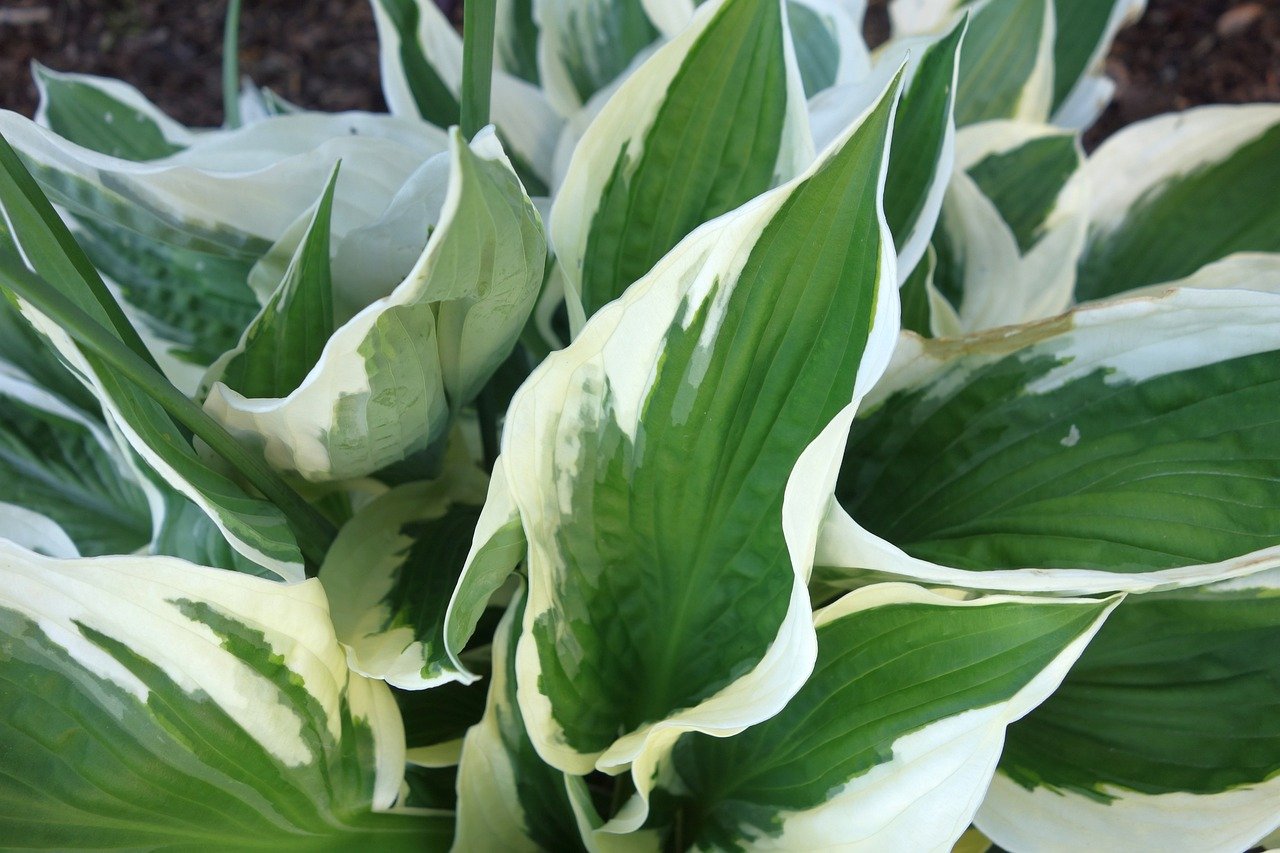
A Beginner’s Introduction to Hostas
For those new to gardening, hostas may seem like a mysterious and exotic plant, but in reality, they are a common sight in many gardens. Before discovering hostas, a beginner’s garden may look bare and uninviting, with few plants that can thrive in shady areas. But after learning about hostas, the same garden can be transformed into a lush oasis, with these versatile plants serving as a centerpiece. Hostas are incredibly easy to care for and can be used in a variety of ways, from groundcover to decorative accent. With over 70 species to choose from, hostas offer a range of options for gardeners of all experience levels.
📝 Article Overview
A Closer Look at Hostas
Hostas are a type of perennial plant that is native to Asia and is known for its attractive foliage and ability to thrive in shady areas. They are a popular choice for gardeners due to their low-maintenance requirements and versatility.
| Term | Plain-English Meaning |
|---|---|
| Hosta | A type of perennial plant with attractive foliage. |
| Perennial | A plant that lives for more than two years. |
| Foliage | The leaves of a plant. |
| Shade | An area that receives partial or full shade, especially in the afternoon. |
| Groundcover | A low-growing plant that spreads quickly to cover the ground. |
| Decorative Accent | A plant used to add visual interest to a garden or landscape. |
Why Hostas Matter
Hostas are an excellent choice for gardeners who want to add some visual interest to their garden without breaking the bank. They are relatively inexpensive to purchase and maintain, and can be used in a variety of ways to create a unique and beautiful landscape. For example, hostas can be used as a groundcover to fill in bare spots, or as a decorative accent to add some color and texture to a garden bed. In addition to their aesthetic benefits, hostas are also a popular choice for gardeners due to their ability to attract wildlife, such as hummingbirds and butterflies. In fact, over 90% of hosta species attract some type of wildlife, making them an excellent choice for gardeners who want to create a wildlife-friendly garden.
Hostas are also a great choice for gardeners who are looking to create a low-maintenance garden. They are relatively easy to care for, requiring only occasional watering and fertilization. In fact, hostas are so low-maintenance that they can thrive in areas with poor soil quality, making them an excellent choice for gardeners who are new to gardening or who have limited experience. For example, a study by the National Gardening Association found that hostas can survive in areas with soil that has a pH level as low as 3.5, making them an excellent choice for gardeners who have acidic soil.
In addition to their benefits for gardeners, hostas also have a number of environmental benefits. For example, they are a natural way to prevent erosion, as their roots help to hold the soil in place. They also provide shade, which can help to reduce the temperature in urban areas and mitigate the urban heat island effect. In fact, a study by the University of California found that hostas can reduce the temperature in urban areas by as much as 10 degrees Fahrenheit, making them an excellent choice for gardeners who are looking to create a more sustainable landscape.
Major Hosta Developments
1. Choosing the Right Hosta Species
Choosing the right hosta species is crucial for creating a beautiful and thriving garden. With over 70 species to choose from, it can be overwhelming to decide which one is right for you. To choose the right hosta species, consider the amount of sunlight your garden receives, as well as the type of soil you have. For example, if your garden receives full sun, you may want to choose a hosta species that is tolerant of sunlight, such as the ‘Sun Power’ hosta. On the other hand, if your garden is shady, you may want to choose a hosta species that prefers shade, such as the ‘Blue Mouse Ears’ hosta. A common beginner mistake is choosing a hosta species that is not suitable for your garden’s conditions, which can lead to poor growth and a lack of blooms.
- Key Benefits: ability to thrive in shady areas, attractive foliage, low-maintenance requirements
- Key Benefits: variety of species to choose from, ability to attract wildlife, natural way to prevent erosion
2. Planting Hostas
Planting hostas is a relatively simple process that requires some basic gardening knowledge. To plant hostas, start by digging a hole that is twice as wide and just as deep as the hosta’s root ball. Then, gently remove the hosta from its container and place it in the hole, making sure to handle the roots with care. Finally, fill in the hole with soil and water thoroughly to settle the soil. A common beginner mistake is planting hostas too deeply, which can lead to root rot and poor growth.
- Key Benefits: ability to thrive in poor soil quality, relatively low-maintenance requirements, attractive foliage
- Key Benefits: natural way to prevent erosion, ability to attract wildlife, variety of species to choose from
3. Watering Hostas
Watering hostas is an important part of their care, as they require consistent moisture to thrive. To water hostas, start by checking the soil to see if it is dry to the touch. If it is, water the hostas thoroughly, making sure to soak the soil to a depth of at least 6 inches. A common beginner mistake is overwatering hostas, which can lead to root rot and poor growth.
- Key Benefits: ability to thrive in shady areas, attractive foliage, low-maintenance requirements
- Key Benefits: natural way to prevent erosion, ability to attract wildlife, variety of species to choose from
4. Fertilizing Hostas
Fertilizing hostas is an important part of their care, as they require nutrients to grow and thrive. To fertilize hostas, start by choosing a balanced fertilizer that is high in phosphorus, which promotes root growth and blooming. Then, follow the instructions on the fertilizer package to apply the fertilizer to the hostas. A common beginner mistake is fertilizing hostas too frequently, which can lead to burning of the roots and poor growth.
- Key Benefits: ability to thrive in poor soil quality, relatively low-maintenance requirements, attractive foliage
- Key Benefits: natural way to prevent erosion, ability to attract wildlife, variety of species to choose from
5. Pruning Hostas
Pruning hostas is an important part of their care, as it helps to maintain their shape and promote healthy growth. To prune hostas, start by removing any dead or damaged leaves, which can help to prevent the spread of disease. Then, cut back the hostas to within a few inches of the ground, which can help to promote new growth and blooming. A common beginner mistake is pruning hostas too aggressively, which can lead to poor growth and a lack of blooms.
- Key Benefits: ability to thrive in shady areas, attractive foliage, low-maintenance requirements
- Key Benefits: natural way to prevent erosion, ability to attract wildlife, variety of species to choose from
6. Propagating Hostas
Propagating hostas is a great way to share these beautiful plants with friends and family, or to create new plants for your own garden. To propagate hostas, start by digging up the entire plant and gently washing the roots to remove any soil. Then, use a sharp knife or pruners to divide the roots, making sure each division has at least one eye, or growing point. Finally, replant the divisions in a new location, making sure to water thoroughly to settle the soil. A common beginner mistake is propagating hostas too frequently, which can lead to poor growth and a lack of blooms.
- Key Benefits: ability to thrive in poor soil quality, relatively low-maintenance requirements, attractive foliage
- Key Benefits: natural way to prevent erosion, ability to attract wildlife, variety of species to choose from
7. Pest and Disease Management
Pest and disease management is an important part of hosta care, as these plants can be susceptible to a number of pests and diseases. To manage pests and diseases, start by inspecting your hostas regularly for signs of trouble, such as holes in the leaves or discoloration. Then, use organic or chemical controls as needed to manage any problems that you find. A common beginner mistake is using too many chemical controls, which can harm the environment and kill beneficial insects.
- Key Benefits: ability to thrive in shady areas, attractive foliage, low-maintenance requirements
- Key Benefits: natural way to prevent erosion, ability to attract wildlife, variety of species to choose from
| Step | What You Do | Expected Result |
|---|---|---|
| 1. Choose the right hosta species | Consider sunlight and soil type | Healthy and thriving hostas |
| 2. Plant hostas | Dig a hole and gently remove the hosta from its container | Established hostas with a strong root system |
| 3. Water hostas | Check the soil and water thoroughly | Healthy and hydrated hostas |
| 4. Fertilize hostas | Choose a balanced fertilizer and follow the instructions | Healthy and thriving hostas with plenty of blooms |
| 5. Prune hostas | Remove dead or damaged leaves and cut back the hostas | Healthy and well-maintained hostas |
| 6. Propagate hostas | Dig up the entire plant and divide the roots | New hostas to share or plant in your own garden |
| 7. Manage pests and diseases | Inspect regularly and use organic or chemical controls as needed | Healthy hostas with minimal damage from pests and diseases |
Frequently Asked Questions
What is the best time to plant hostas?
The best time to plant hostas is in the spring or fall, when the weather is cooler and there is ample moisture in the soil. This allows the hostas to establish themselves before the heat of summer or the cold of winter.
How often should I water my hostas?
Hostas should be watered regularly, but the frequency of watering will depend on the climate and soil type. As a general rule, hostas should be watered when the top inch of soil feels dry to the touch.
What is the difference between a hosta and a daylily?
Hostas and daylilies are both perennial plants, but they have some key differences. Hostas are known for their attractive foliage, while daylilies are known for their showy flowers.
Can I grow hostas in containers?
Yes, hostas can be grown in containers, as long as the container is large enough to accommodate the hosta’s root system. Make sure to use a well-draining potting mix and to water regularly.
Are hostas deer-resistant?
Hostas are not deer-resistant, and deer may feed on them if they are hungry enough. However, there are some varieties of hostas that are more resistant to deer damage than others.
Closing Thoughts
Hostas are a versatile and low-maintenance plant that can add beauty and interest to any garden. By following the tips and guidelines outlined Here, gardeners can create a thriving and healthy hosta garden that will provide years of enjoyment. With their attractive foliage and ability to thrive in shady areas, hostas are an excellent choice for gardeners of all experience levels.