Choosing the right shed plan is a crucial decision that can make all the difference in the success of your project. Many people assume that all shed plans are created equal, but this couldn’t be further from the truth. The right shed plan can save you time, money, and frustration, while the wrong one can lead to a host of problems. Here’s the key thing to understand: a good shed plan is not just about the design, but also about the materials, construction methods, and local building codes. With so many options available, it can be difficult to know where to start.
📝 What's In This Article
What Is a Shed Plan?
A shed plan is a detailed guide that outlines the materials, tools, and instructions needed to build a shed. It typically includes a list of materials, a cutting list, and step-by-step instructions for assembly. A good shed plan should also include information on local building codes, zoning regulations, and safety considerations. Most people miss this, but a shed plan is not just about the shed itself, but also about the site preparation, foundation, and exterior finishes.
When evaluating shed plans, there are several key metrics to consider. The following table outlines some of the most important factors to consider:
| Metric | Description | Importance |
|---|---|---|
| Design | The overall design of the shed, including the style, size, and layout. | High |
| Materials | The type and quality of materials used, including lumber, roofing, and siding. | High |
| Construction Methods | The methods used to construct the shed, including framing, roofing, and finishing. | Medium |
| Cost | The total cost of the project, including materials, labor, and permits. | Medium |
Key Shed Plan Advancements
Gable Shed Plans
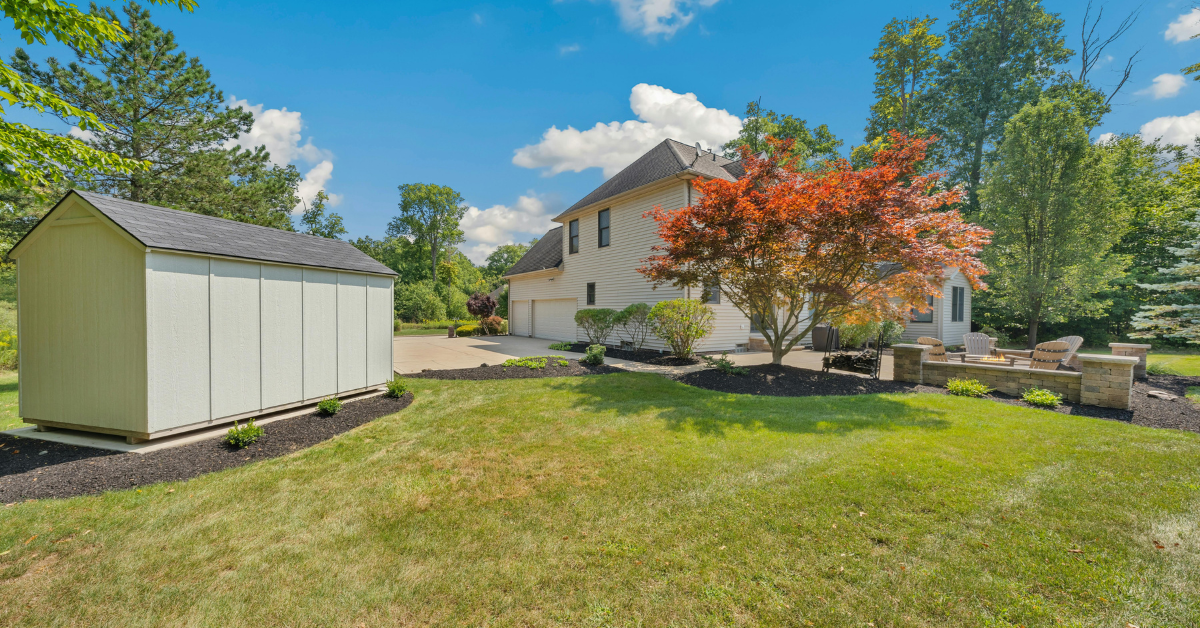
Gable shed plans are one of the most popular types of shed plans. They feature a traditional gable roof design and are often used for storage, gardening, and other outdoor activities. The gable design provides ample space for loft storage and is well-suited for areas with heavy snowfall.
- Advantages:
- Easy to build
- Affordable
- Classic design
- Challenges:
- May not be suitable for high-wind areas
- Can be prone to roof leaks if not properly sealed
Best for: Homeowners who want a traditional shed design and are looking for a cost-effective option.
Hip Roof Shed Plans
Hip roof shed plans feature a unique roof design that is both stylish and functional. The hip roof design provides excellent protection from the elements and is well-suited for areas with high winds and heavy rainfall.
- Advantages:
- Provides excellent protection from the elements
- Can be used for a variety of applications, including storage and gardening
- Unique design
- Challenges:
- More expensive than gable shed plans
- Can be more difficult to build
Best for: Homeowners who want a unique and stylish shed design and are willing to pay a premium for it.
Lean-To Shed Plans
Lean-to shed plans are a type of shed plan that features a single-slope roof design. They are often used for storage and are well-suited for areas with limited space.
- Advantages:
- Easy to build
- Affordable
- Can be used for a variety of applications, including storage and gardening
- Challenges:
- May not be suitable for areas with heavy snowfall
- Can be prone to roof leaks if not properly sealed
Best for: Homeowners who want a simple and affordable shed design and are looking for a space-saving solution.
Saltbox Shed Plans
Saltbox shed plans feature a unique roof design that is both stylish and functional. The saltbox design provides excellent protection from the elements and is well-suited for areas with high winds and heavy rainfall.
- Advantages:
- Provides excellent protection from the elements
- Can be used for a variety of applications, including storage and gardening
- Unique design
- Challenges:
- More expensive than gable shed plans
- Can be more difficult to build
Best for: Homeowners who want a unique and stylish shed design and are willing to pay a premium for it.
Modern Shed Plans
Modern shed plans feature a sleek and contemporary design that is perfect for homeowners who want a stylish and functional shed. They often include features such as large windows, sliding glass doors, and metal roofing.
- Advantages:
- Provides a modern and stylish design
- Can be used for a variety of applications, including storage, gardening, and outdoor living
- Often includes features such as large windows and sliding glass doors
- Challenges:
- More expensive than traditional shed plans
- Can be more difficult to build
Best for: Homeowners who want a modern and stylish shed design and are willing to pay a premium for it.
| Option | Best For | Difficulty | Cost | Speed |
|---|---|---|---|---|
| Gable Shed Plans | Homeowners who want a traditional shed design | Easy | $1,000 – $3,000 | 1-3 weeks |
| Hip Roof Shed Plans | Homeowners who want a unique and stylish shed design | Medium | $2,000 – $5,000 | 2-4 weeks |
| Lean-To Shed Plans | Homeowners who want a simple and affordable shed design | Easy | $500 – $2,000 | 1-2 weeks |
| Saltbox Shed Plans | Homeowners who want a unique and stylish shed design | Medium | $2,000 – $5,000 | 2-4 weeks |
| Modern Shed Plans | Homeowners who want a modern and stylish shed design | Hard | $3,000 – $10,000 | 3-6 weeks |
How to Choose the Right One
Choosing the right shed plan can be a daunting task, especially for those who are new to shed building. Here are some key factors to consider when selecting a shed plan: budget, space, design, materials, and local building codes. By considering these factors, homeowners can find a shed plan that meets their needs and provides a successful building experience.
First, consider the budget for the project. Shed plans can range in price from a few hundred dollars to several thousand dollars, depending on the complexity of the design and the materials used. Homeowners should determine how much they are willing to spend on the project and look for shed plans that fit within their budget.
Next, consider the space available for the shed. Homeowners should measure the area where the shed will be built and consider the size and shape of the shed plan. They should also consider the design of the shed and how it will fit in with the surrounding landscape.
In addition to budget, space, and design, homeowners should also consider the materials used in the shed plan. The type and quality of materials can affect the durability and maintenance of the shed, as well as the overall cost of the project. Homeowners should look for shed plans that use high-quality materials and are designed to withstand the elements.
Finally, homeowners should consider local building codes and regulations. Shed plans should be designed to meet local building codes and regulations, and homeowners should ensure that the plan they choose complies with these requirements. By considering these factors, homeowners can find a shed plan that meets their needs and provides a successful building experience.
Practical Takeaways
By choosing the right shed plan, homeowners can save time, money, and frustration. A well-designed shed plan can provide a successful building experience and result in a shed that meets their needs and enhances their outdoor space.
One of the most significant benefits of choosing the right shed plan is the savings in time and money. A well-designed shed plan can help homeowners avoid costly mistakes and ensure that the project is completed on time and within budget.
Another benefit of choosing the right shed plan is the increased property value. A well-designed shed can enhance the outdoor space and increase the value of the property. Homeowners who choose the right shed plan can enjoy a significant return on their investment.
In addition to savings in time and money and increased property value, choosing the right shed plan can also provide peace of mind. A well-designed shed plan can help homeowners avoid the stress and frustration that can come with a poorly planned project.
Choosing the right shed plan can also provide enhanced outdoor living space. A well-designed shed can provide a functional and comfortable outdoor space that can be used for a variety of activities, including storage, gardening, and entertainment.
Furthermore, choosing the right shed plan can provide environmental benefits. A well-designed shed can be built using sustainable materials and designed to minimize its impact on the environment.
Finally, choosing the right shed plan can provide a sense of accomplishment. A well-designed shed plan can help homeowners complete a successful project and enjoy a sense of pride and satisfaction in their work.
Closing Thoughts
To wrap up, choosing the right shed plan is a critical decision that can make all the difference in the success of the project. By considering factors such as budget, space, design, materials, and local building codes, homeowners can find a shed plan that meets their needs and provides a successful building experience. With the right shed plan, homeowners can enjoy a functional and comfortable outdoor space that enhances their property and provides a sense of pride and satisfaction.
The key to a successful shed-building project is to choose a shed plan that is well-designed, well-constructed, and meets the needs of the homeowner. By doing so, homeowners can avoid costly mistakes and ensure that the project is completed on time and within budget.
Ultimately, the right shed plan can provide a lifetime of enjoyment and satisfaction, and homeowners who choose wisely can reap the benefits of a well-designed and well-built shed for years to come.