Introduction to Bulk Wildflower Seeds
70% of the world’s wildflower species are currently facing the threat of extinction. For a beginner looking to make a positive impact on the environment, sowing bulk wildflower seeds can be a highly rewarding experience. Not only does it promote biodiversity, but it also adds a splash of vibrant colors to any garden or meadow. With the right approach, anyone can successfully sow bulk wildflower seeds and enjoy their beautiful blooms. The process involves understanding the types of wildflowers, preparing the soil, and maintaining the growth.
📝 Table of Contents
Understanding Wildflower Seeds
Wildflower seeds are the embryonic stage of wildflowers, which are plants that grow naturally in the wild. These seeds have the potential to develop into a wide variety of flowering plants, each with its unique characteristics and requirements. To successfully sow bulk wildflower seeds, it’s essential to have a basic understanding of the different types of wildflowers and their growth habits.
| Term | Plain-English Meaning |
|---|---|
| Annual | Plants that complete their life cycle within a year |
| Perennial | Plants that live for more than two years |
| Native | Plants that are originally from a specific region |
| Hybrid | Plants that are bred from different species |
| Pollinator | Animals that help transfer pollen between plants |
| Biodiversity | The variety of different species within an ecosystem |
Why Sowing Bulk Wildflower Seeds Matters
Sowing bulk wildflower seeds can have a significant impact on the environment and local ecosystems. By planting a wide variety of wildflowers, individuals can help support pollinators, such as bees and butterflies, which are essential for food production. In the United States alone, pollinators contribute to over $200 billion in agricultural production each year. Furthermore, wildflowers can help to prevent soil erosion, improve air quality, and provide a natural source of beauty and relaxation. For example, a study in the United Kingdom found that individuals who spent time in nature experienced a 47% reduction in symptoms of depression.
The benefits of sowing bulk wildflower seeds are not limited to the environment; they can also have a positive impact on local communities. By creating wildflower meadows and gardens, individuals can provide a unique and educational resource for schools and community groups. In addition, the sale of wildflower seeds and related products can generate income for local businesses and support the local economy. In fact, the wildflower industry in the United States generates over $1 billion in revenue each year.
To get started with sowing bulk wildflower seeds, individuals will need to select a location with suitable soil and climate conditions. The chosen location should receive full sun to partial shade and have well-draining soil. It’s also essential to prepare the soil by removing any debris, weeds, or existing vegetation. This can be done using a combination of manual removal and herbicides. Once the soil is prepared, the wildflower seeds can be sown using a spreader or by hand.
Core Wildflower Seed Sowing Approaches
1. Choosing the Right Seeds
Choosing the right wildflower seeds is crucial for a successful planting. Individuals should select seeds that are suitable for their climate and soil type. It’s also essential to consider the desired color scheme and bloom time. For example, some wildflowers bloom in the spring, while others bloom in the summer or fall. To choose the right seeds, individuals can research different types of wildflowers, read reviews, and consult with experts. A common beginner mistake is to choose seeds that are not suitable for the local climate, which can result in poor germination rates.
- Advantages: Increased biodiversity, improved soil health, and enhanced aesthetic appeal
- Supports local ecosystems and pollinators
2. Preparing the Soil
Preparing the soil is a critical step in sowing bulk wildflower seeds. The soil should be loosened to a depth of 8-10 inches to allow for proper root growth. Individuals can use a tiller or shovel to loosen the soil, depending on the size of the area. It’s also essential to remove any debris, weeds, or existing vegetation. This can be done using a combination of manual removal and herbicides. A common beginner mistake is to not remove all weeds and debris, which can compete with the wildflowers for water and nutrients.
- Advantages: Improved soil structure, increased water infiltration, and reduced erosion
- Enhanced root growth and nutrient uptake
3. Sowing the Seeds
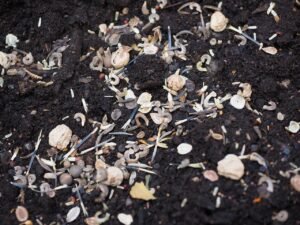
Sowing the seeds is a straightforward process that requires some planning and attention to detail. Individuals should sow the seeds in the fall or early spring, depending on the type of wildflowers and the climate. The seeds should be sown at a depth of 1/8 to 1/4 inch and spaced 1-2 inches apart. A common beginner mistake is to sow the seeds too deeply, which can result in poor germination rates.
- Advantages: Increased germination rates, improved seedling establishment, and reduced weed competition
- Enhanced root growth and nutrient uptake
4. Watering and Maintaining
Watering and maintaining the wildflowers is essential for their growth and survival. Individuals should water the wildflowers regularly during the first growing season, providing about 1 inch of water per week. It’s also essential to maintain the soil by adding organic matter and controlling weeds. A common beginner mistake is to overwater the wildflowers, which can result in root rot and poor growth.
- Advantages: Improved soil health, increased water infiltration, and reduced erosion
- Enhanced root growth and nutrient uptake
5. Controlling Weeds
Controlling weeds is a critical step in maintaining a healthy and thriving wildflower meadow. Individuals can use a combination of manual removal, herbicides, and mulching to control weeds. It’s essential to remove weeds regularly to prevent them from competing with the wildflowers for water and nutrients. A common beginner mistake is to not remove all weeds, which can result in poor growth and reduced biodiversity.
- Advantages: Improved soil health, increased water infiltration, and reduced erosion
- Enhanced root growth and nutrient uptake
6. Monitoring and Enjoying
Monitoring and enjoying the wildflowers is an essential part of the sowing process. Individuals should regularly monitor the wildflowers for signs of pests, diseases, and nutrient deficiencies. It’s also essential to enjoy the beauty and benefits of the wildflowers, such as their vibrant colors, fragrance, and ability to attract pollinators. A common beginner mistake is to not monitor the wildflowers regularly, which can result in poor growth and reduced biodiversity.
- Advantages: Increased biodiversity, improved soil health, and enhanced aesthetic appeal
- Supports local ecosystems and pollinators
7. Sharing and Educating
Sharing and educating others about the benefits of sowing bulk wildflower seeds is an essential part of the process. Individuals can share their knowledge and experience with friends, family, and community groups, and educate others about the importance of biodiversity and ecosystem health. A common beginner mistake is to not share their knowledge and experience, which can result in a lack of awareness and appreciation for the benefits of wildflowers.
- Advantages: Increased awareness and appreciation for the benefits of wildflowers, improved community engagement, and enhanced education
- Supports local ecosystems and pollinators
| Step | What You Do | Expected Result |
|---|---|---|
| 1. Choose the right seeds | Research and select suitable seeds | Healthy and thriving wildflowers |
| 2. Prepare the soil | Loosen and remove debris | Improved soil structure and fertility |
| 3. Sow the seeds | Sow seeds at the correct depth and spacing | Germinated seeds and established seedlings |
| 4. Water and maintain | Water and maintain the soil | Healthy and thriving wildflowers |
| 5. Control weeds | Remove weeds regularly | Reduced weed competition and improved soil health |
| 6. Monitor and enjoy | Monitor and enjoy the wildflowers | Increased biodiversity and aesthetic appeal |
| 7. Share and educate | Share knowledge and experience | Increased awareness and appreciation for the benefits of wildflowers |
Frequently Asked Questions
What is the best time to sow bulk wildflower seeds?
The best time to sow bulk wildflower seeds depends on the type of wildflowers and the climate. In general, it’s best to sow seeds in the fall or early spring, when the weather is cooler and there is adequate moisture. This allows the seeds to germinate and establish themselves before the heat of summer or the cold of winter.
How do I prepare the soil for sowing bulk wildflower seeds?
To prepare the soil for sowing bulk wildflower seeds, individuals should loosen the soil to a depth of 8-10 inches and remove any debris, weeds, or existing vegetation. This can be done using a tiller or shovel, depending on the size of the area. It’s also essential to add organic matter, such as compost or manure, to improve the soil’s structure and fertility.
What are the benefits of sowing bulk wildflower seeds?
The benefits of sowing bulk wildflower seeds include increased biodiversity, improved soil health, and enhanced aesthetic appeal. Wildflowers can also attract pollinators, such as bees and butterflies, and provide a natural source of beauty and relaxation. Additionally, sowing bulk wildflower seeds can help to support local ecosystems and promote environmental sustainability.
How do I control weeds when sowing bulk wildflower seeds?
To control weeds when sowing bulk wildflower seeds, individuals can use a combination of manual removal, herbicides, and mulching. It’s essential to remove weeds regularly to prevent them from competing with the wildflowers for water and nutrients. Mulching can also help to suppress weed growth and retain moisture in the soil.
Can I sow bulk wildflower seeds in a small garden or container?
Yes, individuals can sow bulk wildflower seeds in a small garden or container. However, it’s essential to choose a variety of wildflowers that are suitable for the size and conditions of the garden or container. It’s also important to provide adequate care and maintenance, including watering, fertilizing, and pruning, to ensure the health and success of the wildflowers.
Worth Remembering
Sowing bulk wildflower seeds is a simple and rewarding process that can have a significant impact on the environment and local ecosystems. By following the steps outlined in this guide, individuals can create a thriving and beautiful wildflower meadow that attracts pollinators, improves soil health, and enhances biodiversity. With proper care and maintenance, wildflowers can provide a natural source of beauty and relaxation for years to come. By taking action and sowing bulk wildflower seeds, individuals can make a positive contribution to the health and sustainability of their local environment.