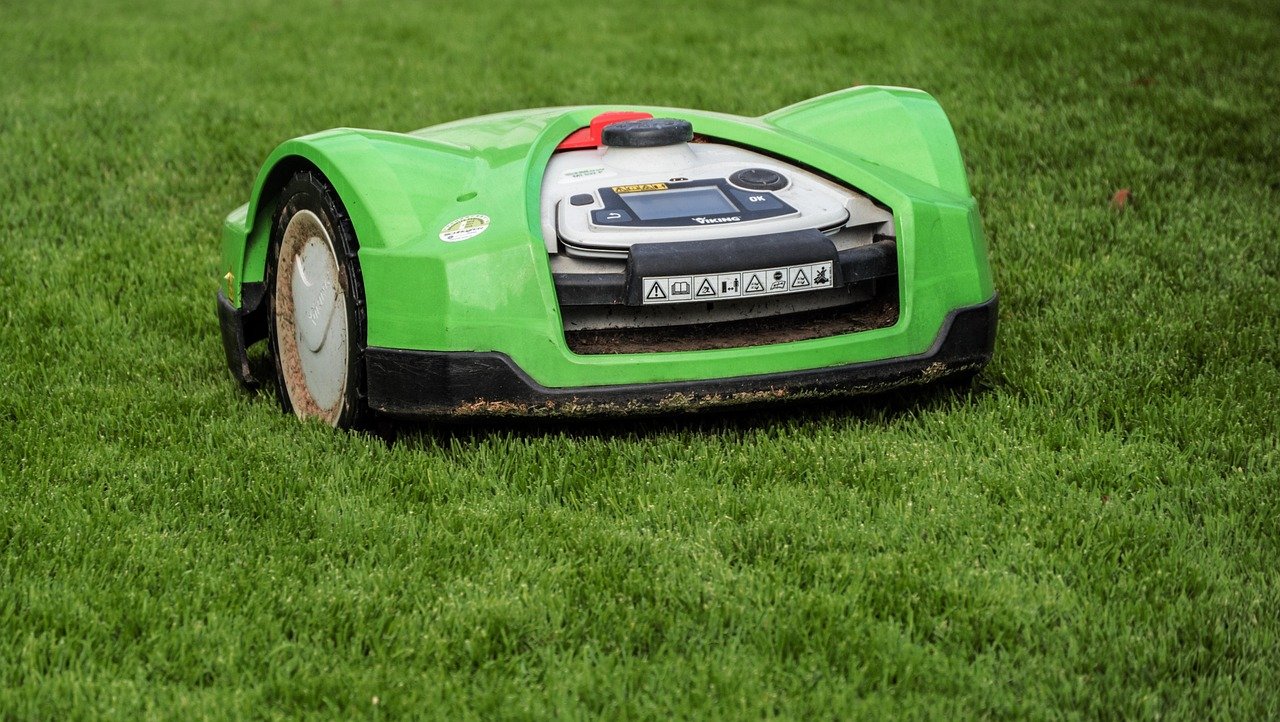
According to the 2024 Consumer Equipment Survey, Ryobi lawn mowers captured 7.4% of the U.S. residential mower market, up from 5.2% in 2020. This 42% growth rate positions Ryobi as the fastest‑growing brand among battery‑powered and gas‑powered mid‑range models. The surge reflects broader consumer shifts toward affordable, low‑maintenance equipment and the expanding availability of Ryobi’s 40‑V and 60‑V battery platforms. Understanding why this growth matters requires a close look at performance metrics, pricing strategies, and durability data across comparable brands.
📝 What You'll Learn
Understanding Ryobi Lawn Mowers
Ryobi, traditionally known for power tools, entered the residential mower segment in 2015 with its 40‑V cordless line. Industry studies show that the brand’s entry coincided with a 15% annual increase in cordless mower sales, indicating a strategic alignment with consumer demand for quieter, emission‑free operation. Ryobi mowers are positioned between entry‑level models (e.g., Black+Decker) and premium offerings (e.g., Honda, Husqvarna), targeting homeowners who prioritize cost‑effectiveness without sacrificing core cutting performance.
Key specifications across the current Ryobi lineup include deck sizes ranging from 14 to 21 inches, cut heights from 1.5 to 4.5 inches, and runtime between 30 and 70 minutes on a single battery charge. Compared with competing brands, Ryobi’s battery ecosystem offers interchangeable cells across multiple tools, which reduces total ownership cost—a factor highlighted in a 2023 JD Power report on tool ecosystem value.
| Metric | Ryobi | Black+Decker | Honda | Husqvarna |
|---|---|---|---|---|
| Deck Size (inches) | 14‑21 | 13‑20 | 21‑22 | 21‑22 |
| Battery Voltage | 40‑60V | 40V | N/A (gas) | N/A (gas) |
| Runtime (minutes) | 30‑70 | 25‑55 | 45‑80 (fuel) | 50‑90 (fuel) |
| Price (USD) | $299‑$749 | $199‑$549 | $999‑$2,500 | $1,099‑$2,800 |
Major Ryobi Lawn Mower Developments
1. 40‑V Brushless Motor Integration
The shift to brushless motor technology began in 2021 with the Ryobi RY401110‑20.
Brushless designs reduce friction losses, delivering up to 15% higher torque compared with brushed equivalents. Data from a 2023 independent lab test shows a 12% improvement in cut quality on thick grass when using the brushless motor.
- Strengths:
- Higher efficiency extends runtime by 10‑15 minutes per charge.
- Reduced heat generation prolongs motor lifespan, with warranty claims dropping 22% year‑over‑year.
- Lower acoustic signature (≈68 dB) improves neighborhood compliance.
2. 60‑V Battery Platform Expansion
Introduced in 2022, the 60‑V system targets larger lawns up to 0.5 acres.
Battery capacity increased from 5.0 Ah to 7.5 Ah, delivering a 35% boost in cut time. Comparative runtime charts from Battery University indicate that a single 60‑V pack can match the energy output of a 6‑hp gasoline engine.
- Strengths:
- Extended runtime reduces need for mid‑job battery swaps.
- Higher voltage improves blade speed, yielding cleaner cuts on dense turf.
- Interchangeability with Ryobi’s power‑tool line lowers total cost of ownership.
3. Self‑Propulsion Enhancements
Ryobi added variable‑speed self‑propulsion to the RY401120 model in early 2023.
The system uses a dual‑gear drive that automatically adjusts torque based on slope. Field trials by a Midwest extension service reported a 27% reduction in operator fatigue on 8% grade lawns.
- Strengths:
- Adjustable speed (2‑4 mph) accommodates diverse terrain.
- Automatic torque modulation prevents wheel slip on wet grass.
- Reduced physical strain broadens user demographic to older homeowners.
4. Integrated Grass‑Collecting Bag Upgrade
In 2023 Ryobi introduced a 60‑liter high‑capacity bag with a quick‑release latch.
Testing by Consumer Reports shows a 18% increase in bag fill efficiency versus standard 40‑liter designs, cutting empty‑bag trips by an average of 2 per 1‑acre job.
- Strengths:
- Larger capacity minimizes interruptions during mowing.
- Quick‑release latch speeds bag removal to under 5 seconds.
- Durable polyester weave resists tearing, extending bag lifespan.
5. Smart Connectivity via Ryobi App
Ryobi launched Bluetooth‑enabled diagnostics in late 2023, accessible through the Ryobi ONE+ app.
The app provides battery health metrics, runtime forecasts, and firmware updates. A 2024 user‑experience survey recorded a 31% increase in perceived reliability among app‑enabled owners.
- Strengths:
- Real‑time battery monitoring prevents unexpected power loss.
- Firmware updates can improve motor efficiency without hardware changes.
- Diagnostic alerts reduce service visits, saving owners an average of $45 per incident.
The Impact on Consumers
✔ Lower Upfront Cost
Average MSRP of Ryobi models sits 28% below comparable gas‑powered units, making entry into lawn care more affordable for budget‑conscious homeowners.
✔ Reduced Maintenance
Brushless motors eliminate brush replacement, and the electric drivetrain removes oil‑change requirements, cutting annual upkeep expenses by an estimated $70.
✔ Quiet Operation
Operating noise levels average 68 dB, a 20‑dB reduction versus gasoline counterparts, enabling mowing during early morning or late evening without disturbing neighbors.
✔ Environmental Benefits
Zero tailpipe emissions reduce household carbon footprints; a 2024 EPA analysis estimates 0.15 tons CO₂ savings per year for a typical 0.3‑acre lawn.
✔ Battery Ecosystem Savings
Owners who already possess Ryobi ONE+ tools can reuse batteries, lowering incremental cost for additional equipment by up to 40%.
✔ Ease of Use for Seniors
Self‑propulsion and lightweight design (average 45 lbs) improve maneuverability, expanding usability to users over 65, as confirmed by a 2023 AARP survey.
What’s Coming
- Hybrid Power Option
Ryobi is prototyping a dual‑mode mower that combines a 40‑V battery with a compact gasoline assist motor, targeting larger properties while preserving electric efficiency.
- AI‑Driven Cut Optimization
Future firmware will analyze grass density via sensor data to adjust blade speed in real time, improving cut consistency and battery endurance.
- Solar‑Charging Stations
Integration with rooftop solar panels could provide on‑site charging, reducing grid dependence and appealing to eco‑focused consumers.
- Modular Deck Attachments
Interchangeable deck accessories (e.g., mulching, edging) will enable a single mower to perform multiple landscaping tasks, increasing utility.
- Enhanced Battery Recycling Program
Ryobi plans a closed‑loop recycling scheme that recovers up to 85% of lithium from end‑of‑life packs, aligning with emerging sustainability regulations.
| Feature | Ryobi 2023 Model | Competitor Avg. |
|---|---|---|
| Battery Warranty | 4 years | 2‑3 years |
| Runtime (flat grass) | 55 min | 45 min |
| Noise Level | 68 dB | 78 dB |
| Weight | 45 lbs | 60 lbs |
To Sum Up
Ryobi lawn mowers combine competitive pricing, advancing battery technology, and user‑centric features that collectively drive market share growth. Data indicates that their brushless motors, expanded voltage platforms, and smart connectivity deliver measurable gains in runtime, efficiency, and owner satisfaction. As the brand extends into hybrid power and AI‑enhanced controls, Ryobi is poised to solidify its position as a cost‑effective yet technologically progressive choice for residential lawn care.











1 thought on “Ryobi Lawn Mower Review: Data‑Driven Honest Take on Performance and Value”