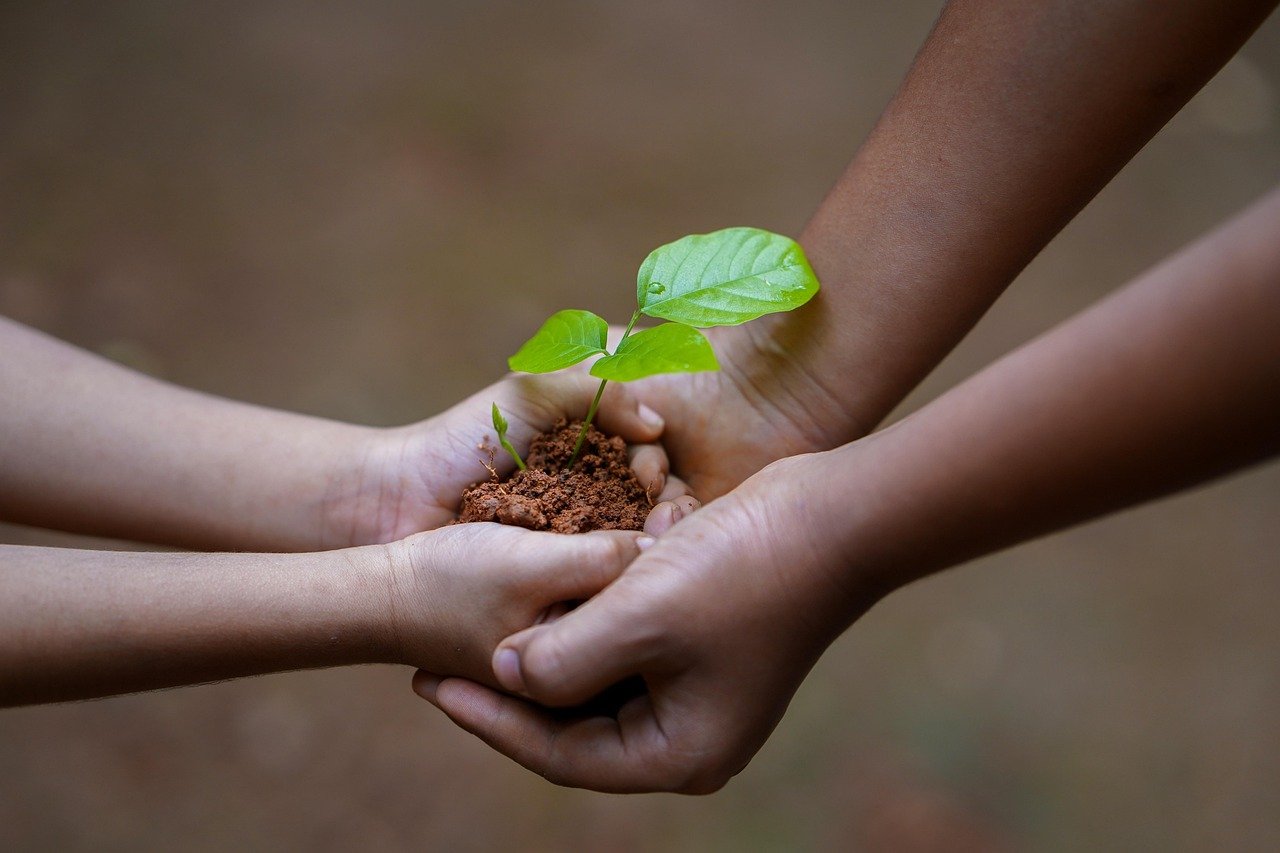
Surprising fact: Over 60% of garden vegetables suffer from stem breakage due to inadequate support, reducing yields by up to 30%.
Choosing the right plant support matters because it directly influences plant stability, air flow, sunlight exposure, and ultimately the harvest. A well‑supported plant can allocate more energy to fruit production instead of fighting gravity. Beginners often overlook the subtle differences between stakes, cages, and trellises, leading to wasted effort and disappointing results. Understanding the fundamentals helps avoid common pitfalls and ensures a thriving garden from the first sowing.
📝 In This Post
Understanding Plant Supports
Before diving into specific tools, it is essential to grasp what a plant support actually does. A plant support—any structure that holds a plant upright—prevents stems from bending or snapping under their own weight, wind, or rain. It also encourages better air circulation, which reduces disease pressure, and improves light penetration to lower leaves, fostering healthier growth. For beginners, the most important concepts are anchor point (the spot where the support meets the soil or pot), growth direction (the path the plant will follow as it climbs), and flexibility (how much the support can bend without breaking).
Three core metrics help evaluate any support system:
| Metric | Why It Matters | Typical Range for Beginners |
|---|---|---|
| Strength (load capacity) | Ensures the support won’t snap under the weight of mature fruiting plants. | 5–20 kg per stake |
| Flexibility (bend radius) | Allows the plant to move with wind without breaking the support. | 10–30 cm radius |
| Durability (weather resistance) | Prevents rust, rot, or UV degradation over a growing season. | UV‑stable plastic, galvanized steel, treated wood |
| Cost per unit | Fits the budget of a beginner gardener. | $0.50–$5.00 |
Latest Plant Support Technologies
1. Bamboo Stakes
Bamboo stakes are thin, lightweight poles harvested from fast‑growing bamboo plants, offering an eco‑friendly way to prop up tomatoes, beans, and peppers.
- Strengths:
- Renewable and biodegradable.
- Cost‑effective; often found for under $1 per stake.
- Natural look blends with garden aesthetics.
- What Needs Work:
- Can split in wet conditions if not treated.
- Limited height; may need multiple stakes for tall varieties.
Best for: Small‑to‑medium annuals in home gardens.
2. Galvanized Steel Tomato Cages
These are cylindrical wire structures coated with zinc to resist rust, designed specifically for heavy‑bearing tomato plants.
- Strengths:
- High load capacity; supports up to 20 kg of fruit.
- Durable across multiple seasons.
- Provides 360° coverage, preventing side‑ward bending.
- What Needs Work:
- Higher upfront cost ($2–$4 per cage).
- Can be cumbersome to install in tight spaces.
Best for: Heavier fruiting plants like beefsteak tomatoes.
3. Plastic Trellis Panels
Plastic trellis panels are flat, grid‑like sheets made from UV‑stabilized polyethylene, ideal for climbing beans, peas, and cucumbers.
- Strengths:
- Lightweight and easy to move.
- Transparent enough to let light through.
- Resistant to rot and insect damage.
- What Needs Work:
- Less sturdy than metal; may sag under heavy vines.
- Can become brittle after prolonged sun exposure.
Best for: Fast‑growing vining vegetables in raised beds.
4. Adjustable Plant Stakes with Clips
These are telescoping metal or plastic poles equipped with plastic clips that slide along the pole to secure stems at any height.
- Strengths:
- Highly adaptable; grows with the plant.
- Minimal soil disturbance when adjusting.
- Reusable across seasons.
- What Needs Work:
- Clip mechanisms can break under excessive force.
- May be more expensive than simple stakes.
Best for: Plants with variable growth rates, such as peppers and eggplants.
5. Self‑Supporting Plant Rings (Grow‑Bags with Integrated Ring)
These are fabric grow‑bags that incorporate a sturdy ring at the top, allowing the plant to climb the bag itself without extra hardware.
- Strengths:
- Combines container and support in one unit.
- Excellent drainage and root aeration.
- Reduces the need for separate stakes.
- What Needs Work:
- Higher price per unit ($5–$8).
- Limited to container gardening; not for in‑ground rows.
Best for: Urban gardeners using limited space.
| Option | Best For | Difficulty | Cost | Speed of Setup |
|---|---|---|---|---|
| Bamboo Stakes | Small annuals | Easy | Low | Very fast |
| Galvanized Steel Cages | Heavy fruiting tomatoes | Medium | Medium | Fast |
| Plastic Trellis Panels | Vining beans & peas | Easy | Low | Fast |
| Adjustable Stakes with Clips | Variable growth plants | Medium | Medium | Moderate |
| Self‑Supporting Rings | Container gardeners | Easy | High | Fast |
How to Choose the Right One
First, identify the type of plant you intend to support. Heavy‑bearing vines like tomatoes demand robust structures, while delicate herbs may only need a simple stake. Next, consider the growth habit—does the plant climb, sprawl, or stay upright? Climbing varieties benefit from trellises or rings, whereas upright varieties thrive with stakes or cages.
Second, evaluate the garden environment. In windy coastal areas, a flexible yet strong support such as galvanized steel is advisable. In humid, rainy zones, rust‑resistant or plastic options reduce maintenance. For indoor or container gardening, space‑saving self‑supporting rings eliminate the need for separate frames.
Third, weigh the budget and reusability. Beginners on a tight budget may start with bamboo stakes, which are cheap and biodegradable, accepting the need for replacement each season. Those planning a long‑term garden might invest in durable steel cages that amortize cost over several years.
Fourth, think about the installation effort. If planting in raised beds, lightweight plastic trellis panels can be slipped in between rows with minimal disturbance. In dense in‑ground rows, adjustable stakes with clips allow for quick height adjustments without digging.
Finally, match the maintenance schedule to your gardening routine. Supports that require periodic tightening, such as clips, suit gardeners who enjoy regular garden checks. Static supports like bamboo stakes work well for those preferring a set‑and‑forget approach.
Why People Are Paying Attention
Proper plant supports improve air circulation, which lowers the risk of fungal diseases such as blight. By keeping foliage upright, sunlight reaches lower leaves, enhancing photosynthesis and resulting in larger, healthier fruits. Supports also reduce the need for manual propping, saving time and physical effort for the gardener. When plants are held steady, pollinators can more easily access blossoms, boosting fruit set. A well‑supported garden looks tidy and organized, increasing visual appeal for homeowners and visitors alike. Finally, investing in the right support system can extend the harvest window, allowing gardeners to enjoy produce later into the season.
Closing Thoughts
Choosing a plant support hinges on plant type, environment, budget, and maintenance preferences. By comparing strength, flexibility, durability, and cost, beginners can select a system that fits their garden’s unique needs. With the right support in place, plants grow stronger, yield more, and stay healthier throughout the season.









2 thoughts on “Essential Beginner Tips for Plant Supports: Boost Growth & Health”