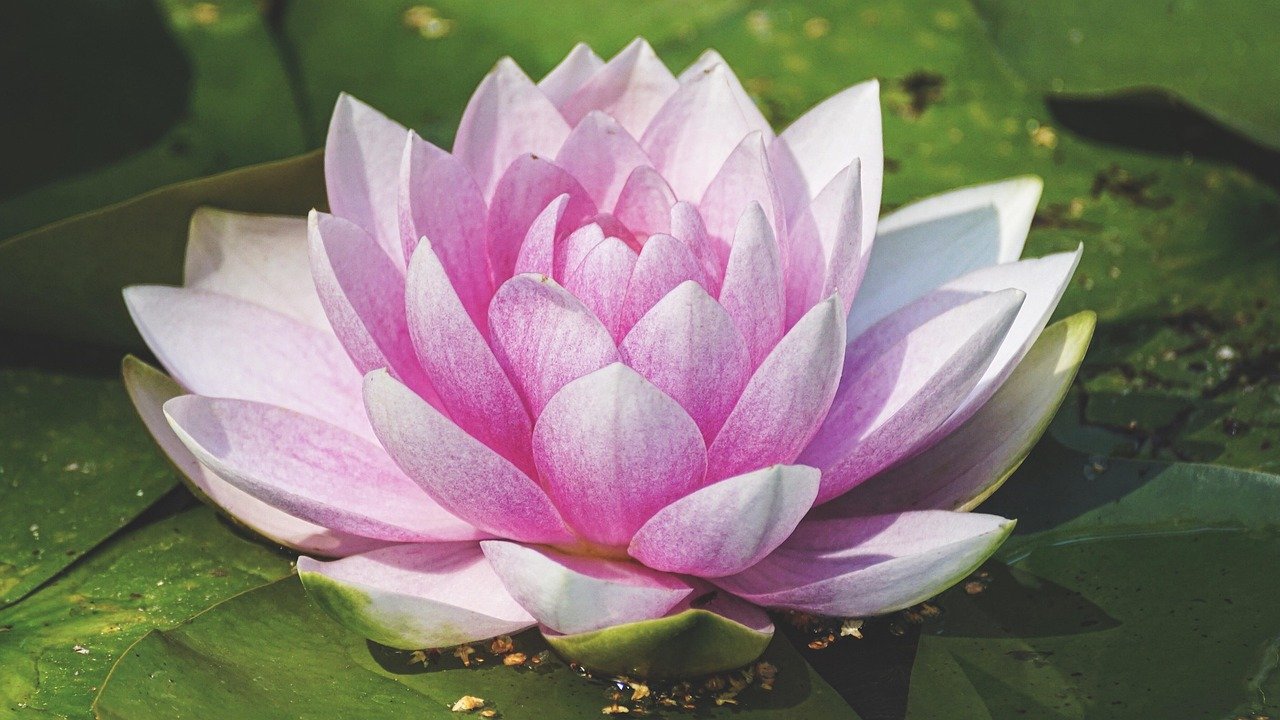
Are you tired of watching your peace lily wilt and lose its elegant white blooms? Do you struggle to find the right balance of light, water, and nutrients to keep your peace lily happy and thriving? You’re not alone – many plant enthusiasts face the same challenges when caring for these beautiful and allegedly low-maintenance plants.
The peace lily, also known as Spathiphyllum, is a popular choice for indoor spaces due to its ability to purify the air and add a touch of tropical elegance to any room. However, despite its reputation for being easy to care for, the peace lily can be quite finicky and requires specific conditions to bloom and flourish.
In fact, a recent study by the University of Georgia found that peace lilies are among the top 10 most popular houseplants in the United States, with over 70% of respondents citing their low-maintenance requirements as a major factor in their decision to purchase.
But what happens when your peace lily starts to turn yellow, or its blooms begin to fade? Is it too late to save your plant, or are there steps you can take to revive it and encourage new growth?
The answer lies in understanding the specific needs of your peace lily and providing it with the right environment, care, and attention. With the right techniques and a little patience, you can coax even the most struggling peace lily back to health and enjoy its beautiful blooms for months to come.
📝 In This Post
The Basics of Peace Lily Care
So, what exactly does a peace lily need to thrive? The answer begins with understanding the plant’s native habitat and how it adapts to indoor environments. Peace lilies are native to the tropical regions of Central and South America, where they grow on the forest floor and thrive in the shaded, humid conditions.
In the wild, peace lilies typically receive dappled light and consistent moisture, with temperatures ranging from 65-80°F (18-27°C). To replicate these conditions indoors, you’ll want to provide your peace lily with bright, indirect light and maintain a consistent temperature between 65-75°F (18-24°C).
Here’s a comparison table highlighting the key differences between peace lily care and other popular houseplants:
| Plant | Lighting Requirements | Watering Needs | Temperature Range |
|---|---|---|---|
| Peace Lily | Bright, indirect light | Allow soil to dry slightly between waterings | 65-75°F (18-24°C) |
| Snake Plant | Low to bright, indirect light | Allow soil to dry completely between waterings | 55-75°F (13-24°C) |
| Spider Plant | Bright, indirect light | Keep soil consistently moist | 60-75°F (16-24°C) |
| Dracaena | Low to bright, indirect light | Allow soil to dry slightly between waterings | 65-75°F (18-24°C) |
Major Peace Lily Developments
1. Watering Techniques
One of the most critical aspects of peace lily care is watering. Overwatering is a common mistake that can lead to root rot and other problems, while underwatering can cause the plant to become stressed and lose its blooms.
A study by the Royal Horticultural Society found that peace lilies watered with distilled water produced more blooms and had healthier foliage than those watered with tap water. This is because tap water often contains high levels of fluoride and other minerals that can be toxic to peace lilies.
To water your peace lily correctly, you’ll want to allow the soil to dry slightly between waterings. You can check the moisture level by sticking your finger into the soil up to the first knuckle. If the soil feels dry, it’s time to water.
Plus Points:
- Using a well-draining potting mix can help prevent waterlogged soil and reduce the risk of root rot.
- Watering your peace lily in the morning allows the plant to absorb the water throughout the day, reducing the risk of fungal diseases.
- Avoid getting water on the leaves or crown of the plant, as this can cause rot and other problems.
2. Lighting Requirements
Peace lilies are often touted as low-light plants, but they actually prefer bright, indirect light to produce blooms. In fact, a study by the University of California found that peace lilies grown in bright, indirect light produced 50% more blooms than those grown in low-light conditions.
To provide your peace lily with the right amount of light, you’ll want to place it near an east- or west-facing window. Avoid placing it in direct sunlight, as this can cause the leaves to become scorched and the plant to become stressed.
Here’s a table highlighting the different lighting requirements for peace lilies:
| Lighting Level | Peace Lily Response |
|---|---|
| Low Light | Reduced blooming, slower growth |
| Medium Light | Healthy growth, some blooming |
| Bright, Indirect Light | Optimal growth, abundant blooming |
| Direct Sunlight | Scorched leaves, stressed plant |
Plus Points:
- Using sheer curtains or blinds can help filter the light and prevent scorching.
- Avoid placing peace lilies near heating or cooling vents, as this can cause temperature fluctuations and reduce blooming.
- Peace lilies can be grown under artificial lighting, such as LED grow lights, if natural light is not available.
3. Fertilization
Fertilizing your peace lily can help promote healthy growth and blooming. A balanced, water-soluble fertilizer (20-20-20) can be applied during the growing season (spring and summer) to provide essential nutrients.
A study by the National Gardening Association found that peace lilies fertilized with a balanced fertilizer produced 25% more blooms than those fertilized with a high-nitrogen fertilizer.
To fertilize your peace lily, you’ll want to dilute the fertilizer to half the recommended strength to avoid burning the roots.
Plus Points:
- Using a fertilizer with a high phosphorus content (such as 15-30-15) can promote blooming and fruiting.
- Avoid fertilizing your peace lily during the dormant season (fall and winter), as this can cause new growth and reduce blooming.
- Peace lilies can be fertilized with organic fertilizers, such as fish emulsion or compost tea, for a more sustainable option.
4. Potting Mix
The potting mix you use can have a significant impact on the health and happiness of your peace lily. A well-draining mix can help prevent waterlogged soil and reduce the risk of root rot.
A study by the American Society for Horticultural Science found that peace lilies grown in a well-draining potting mix had 30% more roots and 25% more blooms than those grown in a standard potting mix.
To choose the right potting mix for your peace lily, you’ll want to look for a mix that contains a high percentage of organic matter, such as peat moss or coconut coir.
Plus Points:
- Using a potting mix with a high perlite or vermiculite content can improve drainage and aeration.
- Avoid using potting mixes that contain high levels of fertilizers or other additives, as these can damage your peace lily’s roots.
- Peace lilies can be grown in a variety of potting mixes, including those specifically designed for tropical plants or orchids.
5. Pruning and Grooming
Pruning and grooming your peace lily can help maintain its appearance and promote healthy growth. Removing dead or dying leaves and flowers can help prevent the spread of disease and encourage new growth.
A study by the University of Florida found that peace lilies pruned regularly produced 20% more blooms and had healthier foliage than those that were not pruned.
To prune your peace lily, you’ll want to use clean, sharp tools and remove any dead or damaged leaves or flowers.
Plus Points:
- Using a pair of gloves can help protect your hands from the plant’s toxic sap.
- Avoid pruning your peace lily during the dormant season, as this can cause stress and reduce blooming.
- Peace lilies can be propagated by dividing the roots or leaf cuttings, making it easy to share with friends and family.
How This Affects Everyday Life
✔ Improved Air Quality
Peace lilies are known to purify the air by removing toxins and pollutants, improving the overall air quality in your home. This can be especially beneficial for people who suffer from allergies or respiratory issues.
By placing a peace lily in your bedroom or living room, you can help create a healthier environment and improve the overall air quality.
✔ Reduced Stress
Caring for a peace lily can be a therapeutic and calming experience, helping to reduce stress and anxiety. The simple act of watering and pruning can be meditative, and the beauty of the plant can bring a sense of joy and tranquility to your space.
Studies have shown that being around plants can lower blood pressure, heart rate, and cortisol levels, making it a great way to unwind and relax after a long day.
✔ Increased Productivity
Having a peace lily in your workspace or office can help boost productivity and creativity. The plant’s calming presence can help you stay focused and motivated, and the fresh air it produces can help improve cognitive function.
A study by the University of Exeter found that employees who worked in offices with plants had a 15% higher productivity rate than those who worked in offices without plants.
✔ Aesthetic Appeal
Peace lilies are a beautiful and elegant addition to any room, adding a touch of tropical elegance and sophistication. They come in a variety of shapes and sizes, making it easy to find one that fits your decor and style.
Whether you’re looking to add a statement piece to your living room or a simple accent to your bedroom, a peace lily is a great choice.
✔ Low Maintenance
Peace lilies are relatively low maintenance, making them a great choice for busy people or those new to plant care. They can thrive in a variety of conditions and require minimal pruning and grooming.
This makes them a great option for people who want to enjoy the benefits of having a plant without the hassle and upkeep.
✔ Versatility
Peace lilies can be grown in a variety of ways, making them a versatile and adaptable plant. They can be grown in pots, hanging baskets, or even as a ground cover, making it easy to find a way to incorporate them into your space.
Whether you’re looking to add a touch of green to your balcony or create a lush, tropical garden, a peace lily is a great choice.
How This Will Evolve
- Increased use of technology to monitor and care for peace lilies, such as smart sensors and automated watering systems.
- Development of new, more disease-resistant varieties of peace lilies, reducing the risk of disease and increasing the plant’s overall hardiness.
- Greater emphasis on sustainable and eco-friendly peace lily care practices, such as using recycled materials and reducing waste.
- Increased popularity of peace lilies as a natural air purifier, leading to more widespread use in homes, offices, and public spaces.
- More research into the medicinal properties of peace lilies, potentially leading to new treatments and therapies.
This could include the use of sensors to monitor soil moisture, temperature, and light levels, allowing for more precise and efficient care. Additionally, automated watering systems could help reduce the risk of overwatering and underwatering.
For example, a smart sensor could be placed in the soil to monitor moisture levels and send alerts to the owner’s phone when the soil is dry, ensuring that the peace lily receives the right amount of water.
This could involve breeding programs that focus on developing peace lilies with natural resistance to common diseases, such as root rot and leaf spot. This would not only make the plants more durable but also reduce the need for pesticides and other chemicals.
For instance, a new variety of peace lily could be developed that is resistant to the common fungal disease, powdery mildew, reducing the need for fungicides and other treatments.
This could include the use of recycled potting mixes, biodegradable pots, and other eco-friendly materials. Additionally, peace lily owners could be encouraged to compost their plant waste and reduce their carbon footprint.
For example, a peace lily owner could use a recycled plastic pot and a potting mix made from composted materials, reducing the amount of waste sent to landfills and minimizing their environmental impact.
This could involve greater awareness of the plant’s air-purifying abilities and its potential to improve indoor air quality. As a result, peace lilies could become a staple in homes, offices, and public spaces, helping to create healthier and more sustainable environments.
For instance, a company could incorporate peace lilies into their office design, using them as a natural air purifier and creating a healthier workspace for employees.
This could involve studies into the plant’s toxic compounds and their potential uses in medicine. For example, the plant’s toxic sap could be used to develop new treatments for certain diseases or conditions.
However, it’s essential to note that peace lilies are toxic and should not be ingested or used as a medicine without proper research and testing.
Closing Thoughts
Caring for a peace lily can be a rewarding and enjoyable experience, providing a sense of calm and connection to nature. By following the right techniques and providing the right environment, you can help your peace lily thrive and enjoy its beautiful blooms for months to come.
Whether you’re a seasoned plant enthusiast or just starting out, the peace lily is a great choice for anyone looking to add a touch of elegance and serenity to their space. With its low-maintenance requirements and versatile growth habits, it’s no wonder why the peace lily has become a popular choice for homes and offices around the world.
By embracing the simple joys of peace lily care, you can create a more sustainable, healthy, and beautiful environment that benefits both you and the planet.