Indoor vegetable gardens are revolutionizing the way people grow their own food, making it possible for anyone to have a constant supply of fresh, healthy produce, regardless of the season or outdoor space. For those who have just discovered this topic, the idea of growing vegetables indoors may seem like a daunting task, but with the right guidance, it can be a fun and rewarding experience. Indoor vegetable gardens are perfect for beginners who want to start small and learn as they go, as well as for experienced gardeners looking to expand their skills. With a little practice and patience, anyone can become an expert in indoor vegetable gardening. This comprehensive guide will walk you through the process of creating and maintaining a thriving indoor vegetable garden.
📝 What's In This Article
Understanding Indoor Vegetable Garden
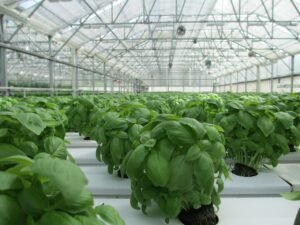
An indoor vegetable garden – a controlled environment (a room or a dedicated space) where plants are grown using a variety of methods, including hydroponics (a method of growing plants using water, rather than soil) and aeroponics (a method of growing plants using a fine mist of water and nutrients) – is a great way to grow your own food, regardless of the season or outdoor space. To get started, it’s essential to understand some key terms and concepts related to indoor vegetable gardening. Here is a list of key terms and their plain-English meanings:
| Term | Plain-English Meaning |
|---|---|
| Hydroponics | A method of growing plants using water, rather than soil, where the roots of the plants are suspended in a nutrient-rich solution. |
| Aeroponics | A method of growing plants using a fine mist of water and nutrients, where the roots of the plants are suspended in the air and receive a constant supply of nutrients. |
| LED Grow Lights | Specialized lights that provide the necessary spectrum and intensity of light for plants to grow, often used in indoor gardening where natural light is limited. |
| Nutrient Solution | A liquid solution that contains the necessary nutrients for plants to grow, such as nitrogen, phosphorus, and potassium. |
| pH Level | A measure of how acidic or alkaline a solution is, with a pH level of 7 being neutral, below 7 being acidic, and above 7 being alkaline. |
| Grow Medium | The material in which the roots of the plants grow, such as soil, rockwool, or coco coir. |
Why Indoor Vegetable Garden Matters
Indoor vegetable gardens are beneficial for a variety of reasons, including the ability to control the environment and provide the necessary conditions for plants to thrive, regardless of the season or outdoor space. By growing your own food indoors, you can have a constant supply of fresh, healthy produce, which can improve your overall health and well-being. According to the United States Department of Agriculture (USDA), indoor gardens can produce up to 30 times more food per acre than traditional farming methods. Additionally, indoor vegetable gardens can help reduce the environmental impact of traditional farming methods, such as the use of pesticides and fertilizers, by using sustainable and eco-friendly practices.
Indoor vegetable gardens are also beneficial for urban areas, where outdoor space is limited. By growing food indoors, people can have access to fresh, healthy produce, regardless of their location. In fact, a study by the National Institute of Food and Agriculture found that urban agriculture, including indoor vegetable gardens, can provide up to 20% of the fresh produce for a city. Furthermore, indoor vegetable gardens can be a fun and rewarding hobby, providing an opportunity for people to connect with nature and learn about sustainable gardening practices.
In terms of real-world impact, indoor vegetable gardens are being used in a variety of settings, including homes, schools, and community centers. For example, the non-profit organization, Green Bronx Machine, has established indoor vegetable gardens in over 100 schools in the Bronx, providing fresh produce to students and teaching them about sustainable gardening practices. Similarly, the company, AeroFarms, has established a large-scale indoor vegetable garden in New Jersey, producing over 2 million pounds of fresh produce per year.
Leading Indoor Vegetable Garden Solutions
Step 1: Choose the Right Location
The first step in creating an indoor vegetable garden is to choose the right location – a spot that receives plenty of natural light (direct sunlight or indirect sunlight) or has access to artificial lighting (such as LED grow lights). When choosing a location, consider the amount of space you have available and the type of plants you want to grow. For example, if you want to grow leafy greens, such as lettuce or kale, you can use a smaller space with lower light levels. However, if you want to grow fruiting plants, such as tomatoes or peppers, you will need a larger space with higher light levels. A common beginner mistake is to choose a location with inadequate light, which can lead to weak and spindly plants.
- What You Gain:
- Healthy and thriving plants
- Increased crop yields
- Improved air quality through photosynthesis
Step 2: Select the Right Plants
The second step is to select the right plants – varieties that are suitable for indoor growing conditions (such as compact or dwarf varieties) and can thrive in a controlled environment. When selecting plants, consider factors such as light levels, temperature, and humidity. For example, if you have a cool and dry space, you may want to choose plants that prefer those conditions, such as lettuce or herbs. A common beginner mistake is to choose plants that are too large or require too much light, which can lead to overcrowding and reduced crop yields.
- What You Gain:
- A wide range of delicious and nutritious crops
- Improved air quality through photosynthesis
- Increased food security and self-sufficiency
Step 3: Set Up Your Grow System
The third step is to set up your grow system – a system that includes a grow medium (such as soil or rockwool), a nutrient solution, and a watering system. When setting up your grow system, consider factors such as the type of plants you are growing, the size of your space, and the level of maintenance you are willing to perform. For example, if you are growing a large number of plants, you may want to consider a hydroponic or aeroponic system, which can provide a high level of control and efficiency. A common beginner mistake is to set up a system that is too complex or difficult to maintain, which can lead to frustration and decreased crop yields.
- What You Gain:
- Improved crop yields and quality
- Increased efficiency and reduced waste
- Greater control over the growing environment
Step 4: Provide the Right Lighting
The fourth step is to provide the right lighting – a combination of natural and artificial light that provides the necessary spectrum and intensity for plant growth. When providing lighting, consider factors such as the type of plants you are growing, the size of your space, and the level of light you can provide. For example, if you are growing plants that require a lot of light, such as tomatoes or peppers, you may want to consider using LED grow lights, which can provide a high level of intensity and spectrum. A common beginner mistake is to provide inadequate light, which can lead to weak and spindly plants.
- What You Gain:
- Healthy and thriving plants
- Increased crop yields and quality
- Improved air quality through photosynthesis
Step 5: Control the Environment
The fifth step is to control the environment – a combination of temperature, humidity, and air circulation that provides the necessary conditions for plant growth. When controlling the environment, consider factors such as the type of plants you are growing, the size of your space, and the level of maintenance you are willing to perform. For example, if you are growing plants that prefer a warm and humid environment, such as tomatoes or cucumbers, you may want to consider using a thermostat and humidistat to control the temperature and humidity levels. A common beginner mistake is to fail to control the environment, which can lead to disease and pest issues.
- What You Gain:
- Improved crop yields and quality
- Increased food security and self-sufficiency
- Greater control over the growing environment
Step 6: Monitor and Maintain Your Garden
The sixth step is to monitor and maintain your garden – a regular schedule of watering, fertilizing, and pruning that provides the necessary care and attention for plant growth. When monitoring and maintaining your garden, consider factors such as the type of plants you are growing, the size of your space, and the level of maintenance you are willing to perform. For example, if you are growing plants that require a lot of maintenance, such as tomatoes or peppers, you may want to consider setting up a regular schedule of watering and fertilizing to ensure they receive the necessary care and attention. A common beginner mistake is to neglect the garden, which can lead to disease and pest issues.
- What You Gain:
- Healthy and thriving plants
- Increased crop yields and quality
- Improved air quality through photosynthesis
Step 7: Harvest Your Crops
The seventh and final step is to harvest your crops – a process of selecting and picking the ripe and mature plants that provides the necessary food and nutrition for you and your family. When harvesting your crops, consider factors such as the type of plants you are growing, the size of your space, and the level of maintenance you are willing to perform. For example, if you are growing plants that are ready to harvest, such as lettuce or herbs, you may want to consider setting up a regular schedule of harvesting to ensure you receive the necessary food and nutrition. A common beginner mistake is to harvest the crops too early or too late, which can lead to reduced crop yields and quality.
- What You Gain:
- Fresh and nutritious food
- Increased food security and self-sufficiency
- Greater control over the growing environment
| Step | What You Do | Expected Result |
|---|---|---|
| Step 1: Choose the Right Location | Select a spot that receives plenty of natural light or has access to artificial lighting. | Healthy and thriving plants. |
| Step 2: Select the Right Plants | Choose varieties that are suitable for indoor growing conditions. | A wide range of delicious and nutritious crops. |
| Step 3: Set Up Your Grow System | Set up a system that includes a grow medium, a nutrient solution, and a watering system. | Improved crop yields and quality. |
| Step 4: Provide the Right Lighting | Provide a combination of natural and artificial light. | Healthy and thriving plants. |
| Step 5: Control the Environment | Control the temperature, humidity, and air circulation. | Improved crop yields and quality. |
| Step 6: Monitor and Maintain Your Garden | Monitor and maintain your garden on a regular basis. | Healthy and thriving plants. |
| Step 7: Harvest Your Crops | Harvest your crops on a regular basis. | Fresh and nutritious food. |
Frequently Asked Questions
What is the Best Location for an Indoor Vegetable Garden?
The best location for an indoor vegetable garden is a spot that receives plenty of natural light or has access to artificial lighting. Consider a south-facing window or a spot near a skylight. Avoid areas with low light levels or drafts, as this can lead to weak and spindly plants.
What are the Best Plants to Grow in an Indoor Vegetable Garden?
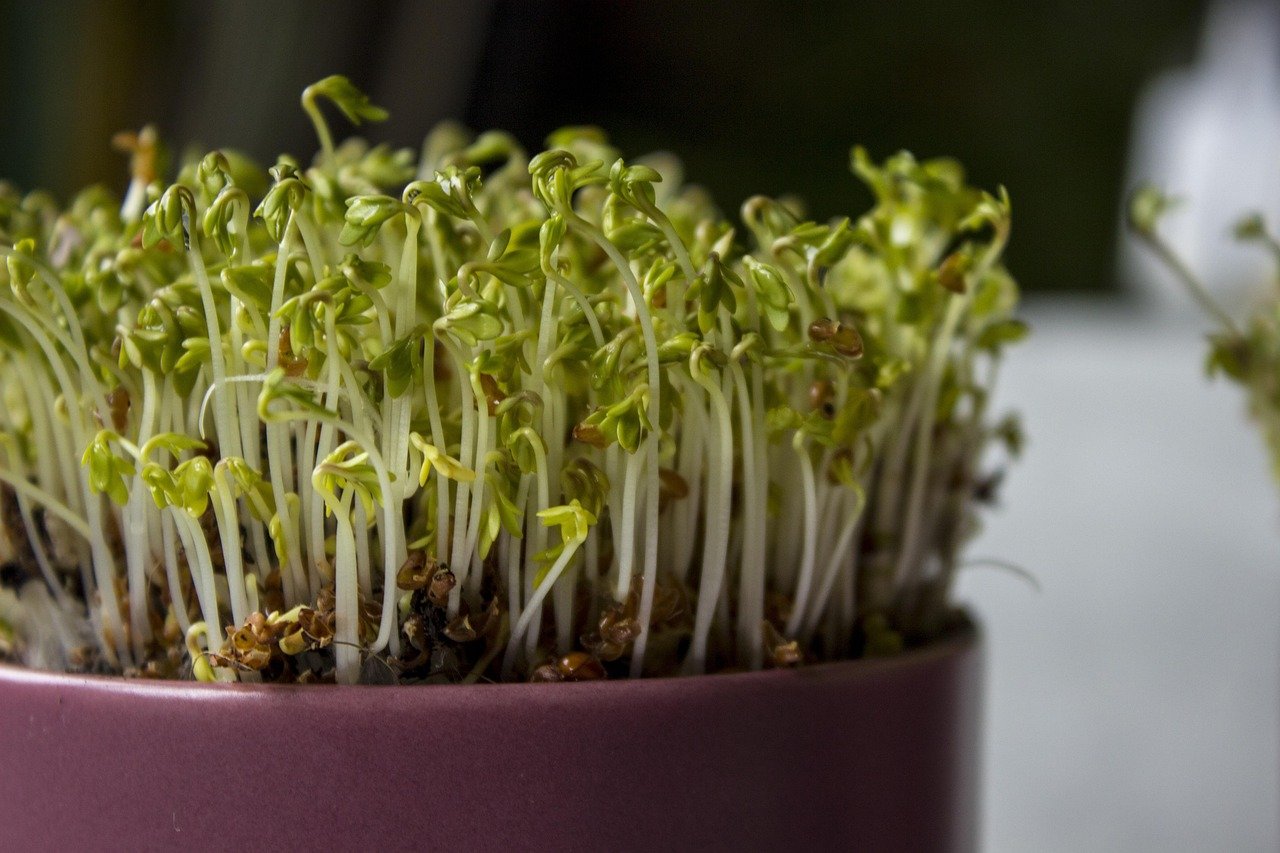
The best plants to grow in an indoor vegetable garden are varieties that are suitable for indoor growing conditions, such as compact or dwarf varieties. Consider plants such as lettuce, herbs, or microgreens, which are easy to grow and can thrive in indoor conditions.
How Much Maintenance is Required for an Indoor Vegetable Garden?
The amount of maintenance required for an indoor vegetable garden depends on the type of plants you are growing and the size of your space. Consider setting up a regular schedule of watering, fertilizing, and pruning to ensure your plants receive the necessary care and attention.
Can I Grow an Indoor Vegetable Garden in a Small Space?
Yes, you can grow an indoor vegetable garden in a small space. Consider using a vertical garden or a compact growing system to make the most of your space. You can also use containers or pots to grow a variety of plants, even in a small area.
What are the Benefits of Growing an Indoor Vegetable Garden?
The benefits of growing an indoor vegetable garden include improved air quality, increased food security and self-sufficiency, and greater control over the growing environment. You can also enjoy fresh and nutritious food, regardless of the season or outdoor space.
Final Thoughts
Indoor vegetable gardens are a great way to grow your own food, regardless of the season or outdoor space. By following the steps outlined in this guide, you can create a thriving indoor vegetable garden that provides fresh and nutritious food for you and your family. Don’t be afraid to experiment and try new things – with a little practice and patience, you can become an expert in indoor vegetable gardening. Start planning your indoor vegetable garden today and enjoy the many benefits that come with growing your own food.