Most gardeners cling to outdated ideas about flower bed edging, assuming that a single material or technique will magically solve every design challenge. The reality is that many of these beliefs are rooted in tradition rather than evidence, leading to wasted time, money, and plant health. Selecting the right edging approach matters because it influences water flow, root expansion, weed control, and the overall visual harmony of the garden. When the wrong method is applied, edging can become a source of frustration rather than a decorative asset. Understanding the nuances behind each option prevents costly mistakes and empowers gardeners to create edges that truly enhance their landscape.
📝 In This Post
The Basics of Flower Bed Edging
Before diving into specific products or techniques, it is essential to grasp the fundamental purposes of edging. First, edging defines the boundary between planting areas and surrounding surfaces, providing a clear visual line that organizes the garden space. Second, it acts as a physical barrier that mitigates soil erosion, directs water away from plant roots, and deters invasive weeds from encroaching. Third, edging influences the long‑term maintenance workload; a well‑chosen edge reduces the frequency of re‑planting and trimming. Finally, the material’s durability and compatibility with soil chemistry affect both the health of the plants and the lifespan of the edge itself.
Here’s the key thing to understand: not every edging material performs equally across all garden conditions. Soil type, climate, foot traffic, and aesthetic goals all interact to determine which option will thrive. Most people miss this interaction and select a material based solely on appearance, only to discover that it crumbles under freeze‑thaw cycles or traps moisture that leads to root rot. By evaluating the core metrics listed in the table below, gardeners can align their choice with the specific demands of their site.
| Metric | Why It Matters | Typical Performance | Best For |
|---|---|---|---|
| Durability | How long the material lasts under weather and foot traffic. | 5‑10 years for plastic, 20+ years for stone. | High‑traffic borders. |
| Water Management | Ability to channel water away from plant roots. | Permeable pavers excel, solid metal can impede drainage. | Moisture‑sensitive plants. |
| Installation Ease | Time and skill required to place the edge. | Flex‑edging kits are quick; poured concrete is labor‑intensive. | DIY beginners. |
| Aesthetic Flexibility | Range of styles, colors, and textures available. | Natural stone offers high variety; metal is limited to finishes. | Design‑focused gardeners. |
Latest Flower Bed Edging Technologies
1. Flexible Plastic Edging (Snap‑Lock System)
This system uses interlocking plastic strips that snap together, creating a continuous barrier without the need for stakes or adhesives. The material is UV‑stabilized, allowing it to retain color for several seasons. Installation is a matter of laying the strips and snapping them into place, making it a favorite among DIY enthusiasts.
- Plus Points:
- Rapid installation—no digging required.
- Lightweight and easy to transport.
- Cost‑effective for large perimeters.
- What Needs Work:
- Limited durability in extreme cold; can become brittle.
- Plastic may look artificial in formal garden settings.
Best for: Budget‑conscious gardeners who prioritize speed.
2. Powder‑Coated Steel Edging
Powder‑coated steel offers a sleek, modern appearance while providing structural strength. The coating protects against rust, and the steel can be bent to follow curved beds, delivering a seamless line. It is typically anchored with spikes that penetrate the soil to a depth of 4‑6 inches.
- Plus Points:
- High tensile strength—resists deformation.
- Elegant, contemporary look suitable for minimalist designs.
- Excellent longevity when properly coated.
- What Needs Work:
- Higher material cost compared to plastic.
- Installation can be labor‑intensive due to heavy sections.
Best for: Modern gardens where visual precision matters.
3. Natural Stone Cobble Edge
Natural stone cobbles are laid individually, creating a rustic, timeless border. Each stone is set in a shallow trench and backfilled with sand or fine gravel to ensure stability. The porous nature of stone allows water to infiltrate, supporting healthy root zones.
- Plus Points:
- Durable for decades with minimal maintenance.
- Enhances the organic aesthetic of cottage gardens.
- Improves drainage through natural gaps.
- What Needs Work:
- Labor‑intensive installation—requires digging and precise placement.
- Higher upfront cost for quality stone.
Best for: Traditional or cottage‑style landscapes seeking lasting charm.
4. Permeable Concrete Pavers
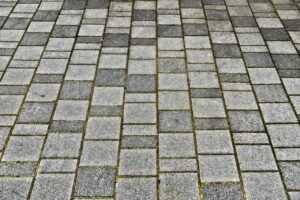
These pavers consist of a concrete matrix with engineered voids that allow water to pass through. They are installed like standard pavers but require a compacted base of crushed stone. The result is a sturdy edge that also functions as a drainage system.
- Plus Points:
- Combines structural stability with superior water management.
- Wide range of colors and surface textures.
- Resistant to freeze‑thaw damage when properly installed.
- What Needs Work:
- Installation demands a prepared sub‑base and level work.
- Cost exceeds that of basic plastic edging.
Best for: Gardens with heavy rainfall or poor soil drainage.
5. Recycled Rubber Mulch Edge
Recycled rubber mulch is molded into long, interlocking pieces that mimic the look of wood but with greater resilience. The rubber is derived from post‑consumer tires, offering an eco‑friendly profile. It can be secured with landscape staples to prevent movement.
- Plus Points:
- Highly resistant to rot, insects, and UV degradation.
- Soft underfoot—ideal for paths adjacent to beds.
- Provides a cushioning effect that protects delicate plant stems.
- What Needs Work:
- May retain heat, potentially affecting heat‑sensitive plants.
- Some gardeners find the synthetic appearance less authentic.
Best for: Eco‑conscious homeowners who need a low‑maintenance, durable edge.
| Option | Best For | Difficulty | Cost | Speed |
|---|---|---|---|---|
| Flexible Plastic Edging | Budget projects, quick installs | Easy | Low | Fast |
| Powder‑Coated Steel | Modern, sleek designs | Moderate | Medium‑High | Moderate |
| Natural Stone Cobble | Traditional, rustic looks | Hard | High | Slow |
| Permeable Concrete Pavers | Drainage‑critical sites | Moderate | Medium | Moderate |
| Recycled Rubber Mulch Edge | Eco‑friendly, low‑maintenance | Easy | Medium | Fast |
How to Choose the Right One
Decision‑making begins with a clear assessment of the garden’s functional demands. Soil type is a primary factor; sandy soils benefit from edges that retain moisture, whereas clay soils require materials that promote drainage. Next, evaluate climate exposure. Regions with harsh winters demand edges that can withstand freeze‑thaw cycles without cracking, while hot, arid zones need materials that resist UV‑induced fading.
Another critical element is foot traffic intensity. Paths that experience regular footfall call for robust, impact‑resistant edging such as steel or stone. Conversely, ornamental borders that are seldom crossed can accommodate lighter solutions like flexible plastic. The budget ceiling also shapes the final choice; a comprehensive cost analysis should include both material expense and labor, as some high‑end options offset higher material costs with reduced maintenance over time.
Design aesthetics should not be an afterthought. The visual language of the garden—whether formal, contemporary, or cottage‑style—guides the selection of texture and color. For instance, natural stone aligns with a rustic theme, while powder‑coated steel complements a minimalist palette. Remember that the edge will be visible from multiple angles, so consistency with other hardscape elements ensures cohesion.
Finally, consider future maintenance. Materials that are easy to repair or replace, such as interlocking plastic, simplify seasonal adjustments. In contrast, poured concrete or stone may require professional intervention for repairs, increasing long‑term costs. By weighing these decision factors side by side, gardeners can pinpoint the edging solution that delivers durability, functionality, and visual harmony.
The Impact on Consumers
Choosing the right edging method reduces the time spent on routine garden upkeep, freeing gardeners to focus on planting and enjoyment rather than constant repairs. Proper water management at the edge prevents root rot and soil erosion, leading to healthier plants and a more resilient landscape. A well‑matched edge enhances curb appeal, increasing property value and neighborhood pride. Durability minimizes the need for frequent replacement, delivering cost savings over the lifespan of the garden. Aesthetic alignment with the overall design creates a sense of cohesion, making the outdoor space feel professionally curated. Finally, selecting an eco‑friendly option such as recycled rubber contributes to sustainable gardening practices, resonating with environmentally conscious homeowners.
To Sum Up
Understanding the core metrics of durability, water management, installation ease, and aesthetic flexibility provides a reliable framework for evaluating edging options. By comparing the five leading technologies and matching them to site‑specific criteria, gardeners can select an edge that supports plant health, reduces maintenance, and enhances visual appeal. The result is a garden edge that not only delineates space but also elevates the entire landscape experience.