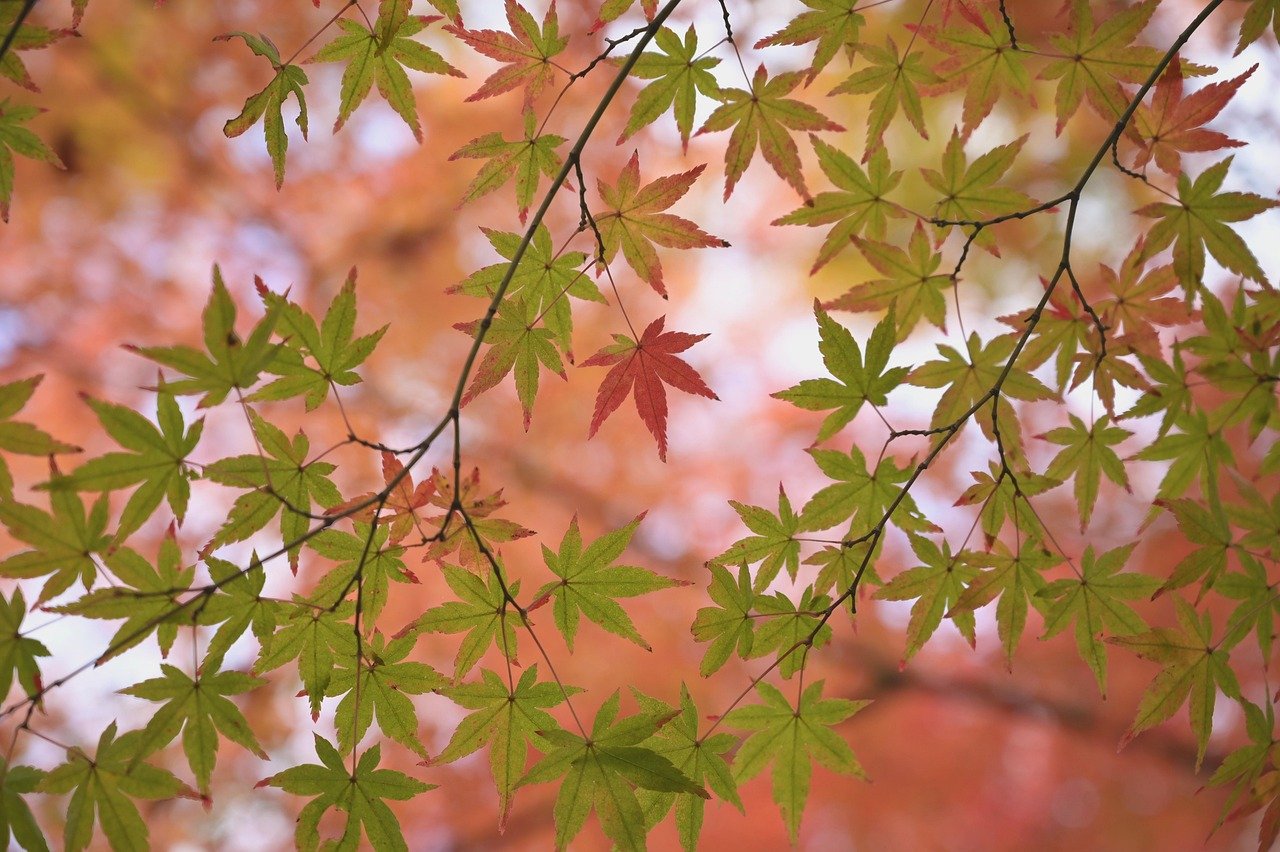
Imagine strolling through a serene garden on a crisp autumn morning, surrounded by the vibrant hues of Japanese maple trees – their leaves ablaze with shades of orange, red, and yellow. Choosing the right approach to cultivating these beautiful trees matters, as it directly affects their health, beauty, and overall longevity. Japanese maple trees – also known as Acer palmatum (a type of deciduous tree – meaning it sheds its leaves annually) – require specific care to flourish, including adequate sunlight, water, and fertilization. Without proper care, these trees can become vulnerable to disease and pests, ultimately affecting their aesthetic appeal and lifespan. Proper cultivation not only enhances the tree’s natural beauty but also contributes to a balanced and thriving garden ecosystem. By adopting the right strategies, gardeners can enjoy the numerous benefits of Japanese maple trees, from their stunning foliage to their ability to attract birds and other wildlife.
📝 Table of Contents
The Basics of Japanese Maple Trees
Before diving into the specifics of cultivating Japanese maple trees, it’s essential to understand the basics of these magnificent trees. Japanese maple trees are known for their striking foliage – characterized by palmate leaves (leaves with lobes that resemble the shape of a hand) – and their ability to thrive in a variety of conditions, including partial shade and well-draining soil. To ensure optimal growth, gardeners should consider factors such as sunlight exposure, soil composition, and watering schedules. For instance, most Japanese maple trees prefer partial shade, especially in warmer climates, to prevent scorching of their delicate leaves. Well-draining soil is also crucial, as it prevents waterlogged soil conditions that can lead to root rot and other problems. Understanding these fundamental needs is vital for providing the best possible care for Japanese maple trees.
One of the critical aspects of caring for Japanese maple trees is evaluating their key metrics, such as growth rate, mature size, and hardiness zone. The following table highlights some essential metrics to consider when selecting and caring for Japanese maple trees:
| Tree Variety | Growth Rate | Mature Size | Hardiness Zone |
|---|---|---|---|
| Bloodgood | Medium | 15-20 feet | 5-8 |
| Coral Bark | Fast | 20-25 feet | 5-8 |
| Emperor | Medium | 10-15 feet | 5-8 |
| Red Dragon | Slow | 5-10 feet | 5-8 |
Major Japanese Maple Tree Developments
Bloodgood Japanese Maple Trees
Bloodgood Japanese maple trees are a popular variety, recognized for their deep red foliage and vigorous growth habit. These trees are relatively low-maintenance and can thrive in a range of conditions, making them an excellent choice for gardeners of all experience levels. Bloodgood trees prefer well-draining soil and partial shade, especially in warmer climates, to prevent leaf scorch. With proper care, they can grow up to 15-20 feet tall, providing a stunning display of color throughout the growing season.
- Key Benefits:
- Deep red foliage provides a dramatic display of color
- Relatively low-maintenance and easy to care for
- Can thrive in a range of conditions, including partial shade and well-draining soil
- Hurdles to Overcome:
- May require regular pruning to maintain shape and size
- Can be susceptible to disease and pests if not properly cared for
Best for: Gardeners seeking a low-maintenance, visually striking tree that can thrive in a variety of conditions.
Coral Bark Japanese Maple Trees
Coral Bark Japanese maple trees are known for their vibrant coral-colored bark and striking yellow-green foliage. These trees are relatively fast-growing and can thrive in full sun to partial shade, making them an excellent choice for gardeners seeking a unique and eye-catching tree. Coral Bark trees prefer well-draining soil and regular watering to maintain their vibrant color and health. With proper care, they can grow up to 20-25 feet tall, providing a stunning display of color and texture throughout the growing season.
- Key Benefits:
- Vibrant coral-colored bark provides a unique and eye-catching display
- Relatively fast-growing and can thrive in full sun to partial shade
- Can provide a stunning display of color and texture throughout the growing season
- Hurdles to Overcome:
- May require regular pruning to maintain shape and size
- Can be susceptible to disease and pests if not properly cared for
Best for: Gardeners seeking a unique and eye-catching tree that can thrive in full sun to partial shade.
Emperor Japanese Maple Trees
Emperor Japanese maple trees are a popular variety, recognized for their deep purple foliage and compact growth habit. These trees are relatively low-maintenance and can thrive in a range of conditions, making them an excellent choice for gardeners of all experience levels. Emperor trees prefer well-draining soil and partial shade, especially in warmer climates, to prevent leaf scorch. With proper care, they can grow up to 10-15 feet tall, providing a stunning display of color throughout the growing season.
- Key Benefits:
- Deep purple foliage provides a dramatic display of color
- Relatively low-maintenance and easy to care for
- Can thrive in a range of conditions, including partial shade and well-draining soil
- Hurdles to Overcome:
- May require regular pruning to maintain shape and size
- Can be susceptible to disease and pests if not properly cared for
Best for: Gardeners seeking a low-maintenance, visually striking tree that can thrive in a variety of conditions.
Red Dragon Japanese Maple Trees
Red Dragon Japanese maple trees are a unique and striking variety, recognized for their deep red foliage and compact growth habit. These trees are relatively slow-growing and can thrive in partial shade to full shade, making them an excellent choice for gardeners seeking a low-maintenance tree that can tolerate shade. Red Dragon trees prefer well-draining soil and regular watering to maintain their vibrant color and health. With proper care, they can grow up to 5-10 feet tall, providing a stunning display of color throughout the growing season.
- Key Benefits:
- Deep red foliage provides a dramatic display of color
- Relatively low-maintenance and easy to care for
- Can thrive in partial shade to full shade, making them an excellent choice for shady areas
- Hurdles to Overcome:
- May require regular pruning to maintain shape and size
- Can be susceptible to disease and pests if not properly cared for
Best for: Gardeners seeking a low-maintenance, visually striking tree that can thrive in partial shade to full shade.
Seiryu Japanese Maple Trees
Seiryu Japanese maple trees are a unique and striking variety, recognized for their lace-like foliage and upright growth habit. These trees are relatively fast-growing and can thrive in full sun to partial shade, making them an excellent choice for gardeners seeking a unique and eye-catching tree. Seiryu trees prefer well-draining soil and regular watering to maintain their vibrant color and health. With proper care, they can grow up to 10-15 feet tall, providing a stunning display of color and texture throughout the growing season.
- Key Benefits:
- Lace-like foliage provides a unique and eye-catching display
- Relatively fast-growing and can thrive in full sun to partial shade
- Can provide a stunning display of color and texture throughout the growing season
- Hurdles to Overcome:
- May require regular pruning to maintain shape and size
- Can be susceptible to disease and pests if not properly cared for
Best for: Gardeners seeking a unique and eye-catching tree that can thrive in full sun to partial shade.
| Option | Best For | Difficulty | Cost | Speed |
|---|---|---|---|---|
| Bloodgood | Gardeners seeking a low-maintenance, visually striking tree | Medium | Moderate | Medium |
| Coral Bark | Gardeners seeking a unique and eye-catching tree | Medium | High | Fast |
| Emperor | Gardeners seeking a low-maintenance, visually striking tree | Low | Moderate | Medium |
| Red Dragon | Gardeners seeking a low-maintenance, visually striking tree that can thrive in shade | Low | Low | Slow |
| Seiryu | Gardeners seeking a unique and eye-catching tree | Medium | High | Fast |
How to Choose the Right One
Choosing the right Japanese maple tree can be a daunting task, especially for gardeners who are new to cultivating these beautiful trees. To make the selection process easier, it’s essential to consider several key decision factors, including the tree’s growth rate, mature size, and hardiness zone. Gardeners should also think about the amount of sunlight and water their tree will receive, as well as the type of soil it will be planted in. By considering these factors, gardeners can select a tree that will thrive in their specific conditions and provide years of beauty and enjoyment.
Another crucial aspect to consider is the level of maintenance required for each tree variety. Some Japanese maple trees, such as the Bloodgood and Emperor, are relatively low-maintenance and can thrive with minimal care. Others, such as the Coral Bark and Seiryu, may require more frequent pruning and care to maintain their shape and size. By understanding the maintenance needs of each tree variety, gardeners can choose a tree that fits their lifestyle and gardening experience.
In addition to considering the tree’s growth rate, mature size, and maintenance needs, gardeners should also think about the aesthetic appeal of each variety. Japanese maple trees come in a wide range of colors and shapes, from the deep red foliage of the Bloodgood to the lace-like foliage of the Seiryu. By selecting a tree that complements their garden’s style and design, gardeners can create a beautiful and cohesive outdoor space that reflects their personal taste and preferences.
Finally, gardeners should consider the cost of each tree variety, as well as the speed at which they grow. Some Japanese maple trees, such as the Coral Bark and Seiryu, can be more expensive than others, but they may also grow faster and provide a quicker return on investment. By weighing the costs and benefits of each tree variety, gardeners can make an informed decision that meets their budget and gardening goals.
By considering these key decision factors, gardeners can choose a Japanese maple tree that will thrive in their specific conditions and provide years of beauty and enjoyment. Whether you’re a seasoned gardener or just starting out, selecting the right Japanese maple tree can be a rewarding and enjoyable experience that enhances your outdoor space and reflects your personal style and preferences.
The Impact on Consumers
Choosing the right Japanese maple tree can have a significant impact on consumers, from enhancing the beauty and value of their outdoor space to providing a sense of pride and accomplishment. By selecting a tree that thrives in their specific conditions, gardeners can enjoy a wide range of benefits, including improved air quality, increased property value, and enhanced mental and physical health.
One of the most significant benefits of Japanese maple trees is their ability to improve air quality. These trees are known to absorb pollutants and toxins from the air, making them a popular choice for gardeners who want to create a healthier and more sustainable outdoor space. By planting a Japanese maple tree, gardeners can help purify the air and create a cleaner and more breathable environment for themselves and their loved ones.
In addition to improving air quality, Japanese maple trees can also increase property value. These trees are highly sought after for their beauty and elegance, and can add significant value to a property. By planting a Japanese maple tree, gardeners can enhance the aesthetic appeal of their outdoor space and increase the value of their property, making it more attractive to potential buyers if they decide to sell.
Japanese maple trees can also have a positive impact on mental and physical health. Studies have shown that spending time in nature can reduce stress and anxiety, improve mood, and even lower blood pressure. By planting a Japanese maple tree, gardeners can create a peaceful and serene outdoor space that promotes relaxation and well-being, and provides a healthy and sustainable environment for themselves and their loved ones.
Another benefit of Japanese maple trees is their ability to attract birds and other wildlife. These trees provide a source of food and shelter for a wide range of animals, from birds and squirrels to butterflies and bees. By planting a Japanese maple tree, gardeners can create a welcoming and sustainable environment for wildlife, and enjoy the beauty and wonder of nature in their own backyard.
Japanese maple trees can also enhance the beauty and elegance of an outdoor space. These trees come in a wide range of colors and shapes, from the deep red foliage of the Bloodgood to the lace-like foliage of the Seiryu. By selecting a tree that complements their garden’s style and design, gardeners can create a beautiful and cohesive outdoor space that reflects their personal taste and preferences.
Finally, Japanese maple trees can provide a sense of pride and accomplishment for gardeners. By selecting and caring for a tree, gardeners can feel a sense of pride and ownership, and enjoy the satisfaction of watching their tree grow and thrive over time. Whether you’re a seasoned gardener or just starting out, planting a Japanese maple tree can be a rewarding and enjoyable experience that enhances your outdoor space and reflects your personal style and preferences.
What It All Means
To wrap up, choosing the right Japanese maple tree is a critical decision that can have a significant impact on the beauty, value, and sustainability of an outdoor space. By considering factors such as growth rate, mature size, and hardiness zone, gardeners can select a tree that will thrive in their specific conditions and provide years of beauty and enjoyment. With their stunning foliage, elegant branches, and numerous benefits, Japanese maple trees are a popular choice for gardeners who want to create a beautiful, sustainable, and healthy outdoor space. By selecting the right tree and providing proper care, gardeners can enjoy the many benefits of Japanese maple trees and create a peaceful and serene environment that promotes relaxation and well-being.
Japanese maple trees offer a wide range of benefits, from improving air quality and increasing property value to enhancing mental and physical health and attracting birds and other wildlife. By planting a Japanese maple tree, gardeners can create a welcoming and sustainable environment that reflects their personal style and preferences, and provides a sense of pride and accomplishment. Whether you’re a seasoned gardener or just starting out, Japanese maple trees are a great choice for anyone who wants to enhance the beauty and elegance of their outdoor space.
Ultimately, the key to success with Japanese maple trees is to choose a tree that is well-suited to your climate, soil, and level of maintenance, and to provide proper care and attention to ensure its health and longevity. By doing so, gardeners can enjoy the many benefits of Japanese maple trees and create a beautiful, sustainable, and healthy outdoor space that provides years of beauty and enjoyment.