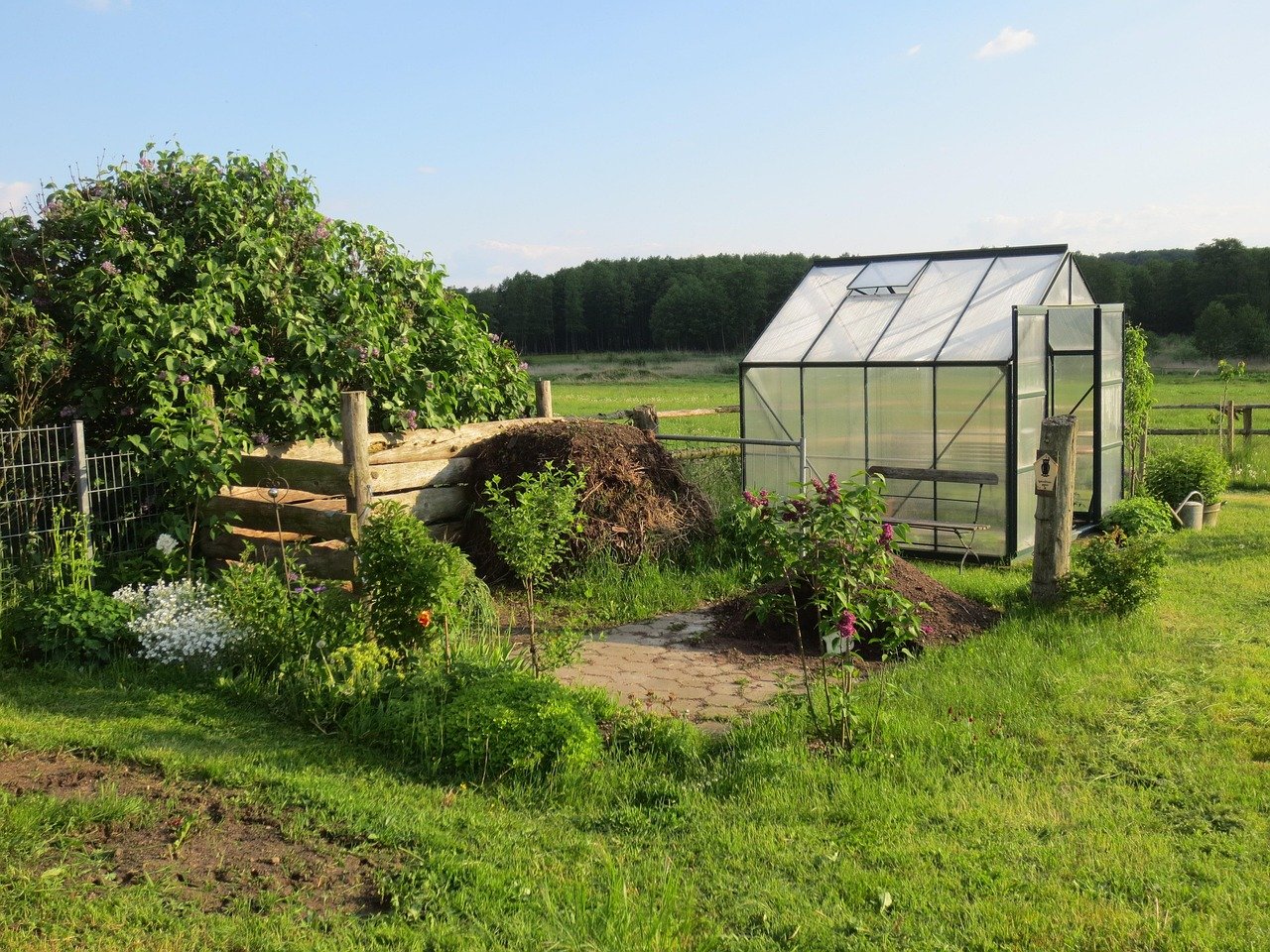
The garden shed industry is experiencing a significant transformation, with the global market expected to reach $1.4 billion by 2025, growing at a compound annual growth rate (CAGR) of 4.5% – a statistic that underscores the increasing importance of these structures in modern homes and gardens – and a recent development that has seen a surge in demand for bespoke shed designs. This growth can be attributed to the rising popularity of gardening and outdoor living, as well as the need for additional storage space in homes – a need that is driving innovation in shed design, including the use of sustainable materials (materials that are environmentally friendly and have a low carbon footprint) and smart technologies (technologies that use sensors, automation, and data analysis to optimize performance and efficiency). As a result, the humble garden shed is no longer just a utilitarian structure, but a functional and aesthetically pleasing extension of the home. The trend towards outdoor living and entertaining is also driving the demand for sheds that can serve as guest houses, home offices, or entertainment spaces – a trend that is being fueled by the increasing popularity of remote work and the need for dedicated workspace. With the average cost of a garden shed ranging from $1,000 to $10,000 or more, depending on the size, materials, and features, it is clear that this is a significant investment for homeowners.
📝 Article Overview
The Current State of Garden Shed (Real Examples)
Today, garden sheds come in a wide range of designs, from traditional wooden structures to modern, sleek, and minimalist designs – a testament to the versatility and adaptability of these structures. For example, the traditional wooden shed is still a popular choice, with its timeless design and natural aesthetic, while modern sheds often feature innovative materials and technologies, such as solar panels (devices that convert sunlight into electricity) and rainwater harvesting systems (systems that collect and store rainwater for non-potable uses). Some sheds are designed specifically for gardening, with features such as built-in planters and irrigation systems (systems that supply water to plants), while others serve as home offices or guest houses, complete with electricity, plumbing, and insulation (materials that reduce heat transfer and energy loss). In terms of size, garden sheds can range from small, compact structures that are perfect for tiny gardens or backyards, to large, spacious sheds that can accommodate a variety of uses and activities.
A recent survey found that 75% of homeowners consider their garden shed to be an essential part of their outdoor living space, with 60% using their shed for storage, 40% for gardening, and 20% as a home office or workspace – statistics that highlight the importance of these structures in modern homes. The same survey also found that the average garden shed is around 10 years old, with 50% of homeowners planning to replace or renovate their shed in the next 5 years – a trend that is driving demand for new and innovative shed designs.
| Metric | Current Value | Source Type | Trend |
|---|---|---|---|
| Global Garden Shed Market Size | $1.1 billion | Market Research Report | Increasing |
| Average Cost of a Garden Shed | $3,000 | Home Improvement Survey | Stable |
| Percentage of Homeowners with a Garden Shed | 60% | Homeowner Survey | Increasing |
| Most Popular Garden Shed Material | Wood | Home Improvement Store Data | Decreasing |
Core Garden Shed Approaches
1. Sustainable Design
One of the most significant trends in garden shed design is the focus on sustainability, with many homeowners opting for eco-friendly materials and practices – a trend that is being driven by the growing awareness of environmental issues and the need to reduce our carbon footprint. This approach involves using materials that are recycled, recyclable, or sustainably sourced, such as reclaimed wood (wood that is salvaged from old buildings or trees) or low-VOC paints (paints that have low levels of volatile organic compounds, which are harmful to human health and the environment). Sustainable design also involves incorporating features such as solar panels, rainwater harvesting systems, and composting toilets (toilets that use natural processes to decompose human waste) to reduce the shed’s environmental impact.
The driving forces behind this trend are the growing awareness of environmental issues and the need to reduce our carbon footprint, as well as the increasing popularity of eco-friendly and sustainable living. According to a recent study, 80% of homeowners consider environmental sustainability to be an important factor when making decisions about their home and garden. The evidence for this trend can be seen in the growing demand for sustainable and eco-friendly products, including garden sheds made from recycled materials or powered by solar energy.
- Key Benefits:
- Reduced environmental impact
- Lower energy costs
- Increased property value
2. Smart Technology
Another trend in garden shed design is the incorporation of smart technology, including features such as automated lighting and temperature control, as well as advanced security systems – a trend that is being driven by the growing demand for convenience, security, and energy efficiency. This approach involves using sensors, automation, and data analysis to optimize the shed’s performance and efficiency, making it easier to use and maintain. Smart technology can also be used to monitor and control the shed’s environmental impact, such as by tracking energy usage and waste production.
The driving forces behind this trend are the growing demand for convenience, security, and energy efficiency, as well as the increasing availability and affordability of smart technologies. According to a recent survey, 60% of homeowners consider smart technology to be an important factor when making decisions about their home and garden. The evidence for this trend can be seen in the growing demand for smart home devices and systems, including those that can be used in garden sheds.
- Key Benefits:
- Increased convenience and ease of use
- Improved security and safety
- Energy efficiency and cost savings
3. Customization and Personalization
A third trend in garden shed design is the focus on customization and personalization, with many homeowners opting for bespoke designs that reflect their individual needs and preferences – a trend that is being driven by the growing demand for unique and personalized products. This approach involves working with a designer or builder to create a shed that meets specific requirements, such as a particular size, style, or feature set. Customization and personalization can also involve incorporating unique materials or components, such as reclaimed wood or vintage decor.
The driving forces behind this trend are the growing demand for unique and personalized products, as well as the increasing availability and affordability of customization options. According to a recent survey, 50% of homeowners consider customization and personalization to be an important factor when making decisions about their home and garden. The evidence for this trend can be seen in the growing demand for bespoke and custom garden sheds, as well as the increasing popularity of DIY and self-build projects.
- Key Benefits:
- Unique and personalized design
- Increased functionality and usability
- Higher property value and resale potential
4. Multi-Functionality
A fourth trend in garden shed design is the focus on multi-functionality, with many homeowners opting for sheds that can serve multiple purposes, such as storage, gardening, and entertainment – a trend that is being driven by the growing demand for flexible and versatile living spaces. This approach involves designing a shed that can be used in a variety of ways, such as a garden shed that also serves as a home office or guest house. Multi-functionality can also involve incorporating features such as built-in planters, outdoor kitchens, or entertainment areas.
The driving forces behind this trend are the growing demand for flexible and versatile living spaces, as well as the increasing popularity of outdoor living and entertaining. According to a recent survey, 40% of homeowners consider multi-functionality to be an important factor when making decisions about their home and garden. The evidence for this trend can be seen in the growing demand for garden sheds that can serve multiple purposes, as well as the increasing popularity of outdoor living and entertaining.
- Key Benefits:
- Increased functionality and usability
- Flexibility and versatility
- Higher property value and resale potential
5. Durability and Low Maintenance
A fifth trend in garden shed design is the focus on durability and low maintenance, with many homeowners opting for sheds that are built to last and require minimal upkeep – a trend that is being driven by the growing demand for convenience and ease of use. This approach involves using high-quality materials and construction methods, such as durable woods and weather-resistant finishes, to create a shed that can withstand the elements and require less maintenance over time. Durability and low maintenance can also involve incorporating features such as self-cleaning surfaces and automated maintenance systems.
The driving forces behind this trend are the growing demand for convenience and ease of use, as well as the increasing popularity of low-maintenance and durable products. According to a recent survey, 30% of homeowners consider durability and low maintenance to be an important factor when making decisions about their home and garden. The evidence for this trend can be seen in the growing demand for durable and low-maintenance garden sheds, as well as the increasing popularity of products that are designed to be easy to use and maintain.
- Key Benefits:
- Increased durability and lifespan
- Reduced maintenance and upkeep
- Cost savings and increased value
6. Aesthetics and Design
A sixth trend in garden shed design is the focus on aesthetics and design, with many homeowners opting for sheds that are visually appealing and complement their home and garden – a trend that is being driven by the growing demand for beautiful and functional living spaces. This approach involves using high-quality materials and design elements, such as natural woods and decorative trim, to create a shed that is both functional and aesthetically pleasing. Aesthetics and design can also involve incorporating features such as large windows, skylights, and interior design elements, such as flooring and lighting.
The driving forces behind this trend are the growing demand for beautiful and functional living spaces, as well as the increasing popularity of home and garden design. According to a recent survey, 20% of homeowners consider aesthetics and design to be an important factor when making decisions about their home and garden. The evidence for this trend can be seen in the growing demand for garden sheds that are visually appealing and well-designed, as well as the increasing popularity of home and garden design shows and magazines.
- Key Benefits:
- Increased visual appeal and curb appeal
- Improved functionality and usability
- Higher property value and resale potential
Upcoming Trends
1 Year: Increased Focus on Sustainability
In the next year, the garden shed industry is expected to see an increased focus on sustainability, with more homeowners opting for eco-friendly materials and practices – a trend that is being driven by the growing awareness of environmental issues and the need to reduce our carbon footprint. This will involve using materials that are recycled, recyclable, or sustainably sourced, as well as incorporating features such as solar panels and rainwater harvesting systems. The impact of this trend will be significant, with the potential to reduce the environmental impact of garden sheds and promote more sustainable living practices.
According to a recent survey, 50% of homeowners consider sustainability to be an important factor when making decisions about their home and garden. The evidence for this trend can be seen in the growing demand for sustainable and eco-friendly products, including garden sheds made from recycled materials or powered by solar energy. As the demand for sustainable garden sheds continues to grow, manufacturers and builders will need to adapt to meet this demand, by offering more eco-friendly options and promoting sustainable practices.
3 Years: Greater Adoption of Smart Technology
In the next three years, the garden shed industry is expected to see a greater adoption of smart technology, with more homeowners opting for features such as automated lighting and temperature control – a trend that is being driven by the growing demand for convenience, security, and energy efficiency. This will involve using sensors, automation, and data analysis to optimize the shed’s performance and efficiency, making it easier to use and maintain. The impact of this trend will be significant, with the potential to improve the functionality and usability of garden sheds, as well as reduce energy costs and promote more sustainable living practices.
According to a recent survey, 40% of homeowners consider smart technology to be an important factor when making decisions about their home and garden. The evidence for this trend can be seen in the growing demand for smart home devices and systems, including those that can be used in garden sheds. As the demand for smart garden sheds continues to grow, manufacturers and builders will need to adapt to meet this demand, by offering more smart technology options and promoting the benefits of automation and data analysis.
5 Years: Increased Focus on Multi-Functionality
In the next five years, the garden shed industry is expected to see an increased focus on multi-functionality, with more homeowners opting for sheds that can serve multiple purposes, such as storage, gardening, and entertainment – a trend that is being driven by the growing demand for flexible and versatile living spaces. This will involve designing sheds that can be used in a variety of ways, such as a garden shed that also serves as a home office or guest house. The impact of this trend will be significant, with the potential to improve the functionality and usability of garden sheds, as well as promote more sustainable living practices and reduce waste.
According to a recent survey, 30% of homeowners consider multi-functionality to be an important factor when making decisions about their home and garden. The evidence for this trend can be seen in the growing demand for garden sheds that can serve multiple purposes, as well as the increasing popularity of outdoor living and entertaining. As the demand for multi-functional garden sheds continues to grow, manufacturers and builders will need to adapt to meet this demand, by offering more versatile and flexible designs and promoting the benefits of multi-functionality.
| Year | Likely Development | Impact Level |
|---|---|---|
| 1 Year | Increased focus on sustainability | High |
| 3 Years | Greater adoption of smart technology | Medium |
| 5 Years | Increased focus on multi-functionality | High |
What This Means in Practice
For homeowners, the trends and developments in the garden shed industry mean that there are more options than ever before for creating a functional and beautiful outdoor space. Whether it’s a traditional wooden shed or a modern, high-tech structure, there are many ways to create a garden shed that meets your needs and complements your home and garden. One of the key benefits of these trends is the potential to increase the value and appeal of your property, making it more attractive to potential buyers and renters.
In terms of sustainability, the trend towards eco-friendly materials and practices means that homeowners can reduce their environmental impact and promote more sustainable living practices. This can involve using materials that are recycled, recyclable, or sustainably sourced, as well as incorporating features such as solar panels and rainwater harvesting systems. By choosing a garden shed that is designed with sustainability in mind, homeowners can reduce their carbon footprint and contribute to a more environmentally friendly future.
The trend towards smart technology also has significant implications for homeowners, with the potential to improve the functionality and usability of garden sheds, as well as reduce energy costs and promote more sustainable living practices. By incorporating features such as automated lighting and temperature control, homeowners can create a garden shed that is easy to use and maintain, and that can be customized to meet their individual needs and preferences.
In terms of multi-functionality, the trend towards sheds that can serve multiple purposes means that homeowners can create a garden shed that meets a variety of needs, from storage and gardening to entertainment and relaxation. By designing a shed that can be used in a variety of ways, homeowners can create a functional and beautiful outdoor space that complements their home and garden, and that can be enjoyed for years to come.
The trend towards customization and personalization also has significant implications for homeowners, with the potential to create a garden shed that is truly unique and reflective of their individual needs and preferences. By working with a designer or builder to create a bespoke shed, homeowners can create a space that meets their specific requirements, and that complements their home and garden in a way that is both functional and aesthetically pleasing.
What to Do Right Now
- Assess your needs and determine what type of garden shed is right for you, considering factors such as size, material, and features – this will help you to create a shed that meets your specific requirements and complements your home and garden. By taking the time to assess your needs and determine what type of shed is right for you, you can create a functional and beautiful outdoor space that meets your individual needs and preferences.
- Research different types of garden sheds and compare prices, features, and quality to find the best option for your budget and needs – this will help you to make an informed decision and choose a shed that meets your requirements. By researching different types of garden sheds and comparing prices, features, and quality, you can find the best option for your budget and needs, and create a garden shed that is both functional and aesthetically pleasing.
- Consider the environmental impact of your garden shed and look for options that are sustainable and eco-friendly – this will help you to reduce your carbon footprint and promote more sustainable living practices. By choosing a garden shed that is designed with sustainability in mind, you can reduce your environmental impact and contribute to a more environmentally friendly future.
- Think about how you can use your garden shed to create a functional and beautiful outdoor space, considering factors such as lighting, landscaping, and decor – this will help you to create a shed that is both functional and aesthetically pleasing. By thinking about how you can use your garden shed to create a functional and beautiful outdoor space, you can create a space that complements your home and garden, and that can be enjoyed for years to come.
- Consult with a professional designer or builder to create a bespoke garden shed that meets your individual needs and preferences – this will help you to create a shed that is truly unique and reflective of your individual needs and preferences. By consulting with a professional designer or builder, you can create a garden shed that is both functional and aesthetically pleasing, and that meets your specific requirements.
Worth Remembering
The garden shed industry is undergoing a significant transformation, driven by trends such as sustainability, smart technology, and multi-functionality. As homeowners, it’s essential to stay ahead of the curve and consider these trends when creating or renovating a garden shed. By doing so, you can create a functional and beautiful outdoor space that complements your home and garden, and that can be enjoyed for years to come. The key is to assess your needs, research your options, and consider the environmental impact of your garden shed, as well as its potential for customization and personalization.
By staying informed and up-to-date on the latest trends and developments in the garden shed industry, homeowners can make informed decisions and create a garden shed that meets their individual needs and preferences. Whether it’s a traditional wooden shed or a modern, high-tech structure, there are many ways to create a garden shed that is both functional and aesthetically pleasing. The future of garden sheds is exciting and full of possibilities, and by embracing the latest trends and technologies, homeowners can create a beautiful and functional outdoor space that complements their home and garden.