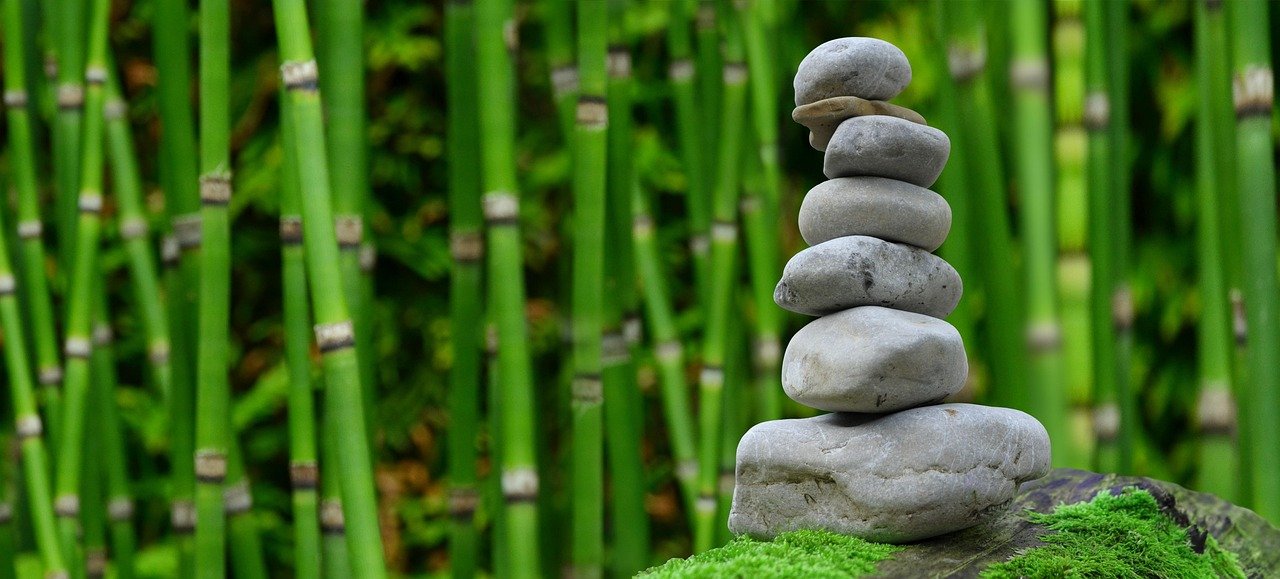
As the world becomes increasingly urbanized, the need for serene and natural spaces within cities has never been more pressing. Gardens, whether large or small, serve as oases, providing tranquility and a connection to nature. One often overlooked yet crucial element in garden design is the garden stone. Garden stones are not merely decorative; they play a significant role in the functionality and aesthetic appeal of a garden. However, their potential is often underutilized due to a lack of understanding of their versatility and benefits. With the current trend of outdoor living and the desire to create inviting outdoor spaces, the knowledge of how to effectively use garden stones has become more valuable than ever.
The selection and placement of garden stones can elevate a garden from a mere collection of plants to a thoughtfully designed outdoor space. They can help with drainage, create pathways, and even serve as a medium for plant growth. Despite their importance, many gardeners and homeowners are unaware of the full potential of garden stones, often relegating them to mere borders or stepping stones. This oversight not only diminishes the aesthetic value of the garden but also neglects the practical benefits that garden stones can offer.
Understanding the role and potential of garden stones is especially relevant today, given the growing interest in sustainable and low-maintenance gardening practices. As people seek to create outdoor spaces that are not only beautiful but also environmentally friendly and easy to care for, the importance of garden stones comes to the forefront. They can help in reducing the need for intensive lawn care, managing water runoff, and creating habitats for wildlife, among other benefits.
The current focus on outdoor living and the recognition of gardens as extensions of indoor living spaces have also highlighted the need for elements that can seamlessly integrate functionality with beauty. Garden stones, with their natural appeal and versatility, fit perfectly into this vision, offering a way to create outdoor spaces that are both inviting and sustainable.
Given the rising interest in gardening and outdoor design, coupled with the underappreciation of garden stones, it’s essential to explore their uses, benefits, and how they can be integrated into garden design to enhance both the aesthetic and functional value of outdoor spaces.
📝 Article Overview
What Is Garden Stones?
Garden stones, often referred to as stepping stones or garden pebbles, are small stones or rocks used in garden design for various purposes. They can be made from natural stone, concrete, or even recycled materials, offering a wide range of textures, colors, and shapes to choose from. The choice of garden stone depends on the intended use, the theme of the garden, and personal preference.
The use of garden stones dates back to ancient times, where they were used in Japanese and Chinese gardens for their aesthetic and spiritual significance. Today, their application has broadened to include practical uses such as improving drainage, creating stable pathways, and controlling weed growth.
| Type of Garden Stone | Description | Usage |
|---|---|---|
| Bluestone | Durable, flat stones often used for pathways and patios. | Pathways, patios, pool decks. |
| Fieldstone | Irregularly shaped stones used for decorative purposes. | Decorative walls, borders, water features. |
| Gravel | Small stones or pebbles used for drainage and decoration. | Drainage, pathways, garden beds. |
| Slate | Dark, smooth stones often used for decorative and functional purposes. | Pathways, patios, stepping stones. |
Garden Stones Methods Worth Knowing
1. Creating Pathways
One of the most common uses of garden stones is in creating pathways. These pathways not only guide visitors through the garden but also protect the plants and soil from foot traffic. The choice of stone for pathways depends on the desired look, durability, and safety considerations.
Pathways can be created using a variety of garden stones, from flat bluestones to irregular fieldstones. The key is to choose stones that are flat enough to walk on comfortably and have enough texture to prevent slipping. A well-designed pathway can lead visitors through different parts of the garden, highlighting its various features and creating a sense of exploration.
- Strengths:
- Aesthetic appeal: Pathways made from garden stones can add significant beauty to a garden, creating a visually appealing route through the outdoor space.
- Durability: Garden stones are highly durable and can withstand heavy foot traffic without showing significant wear.
- Low maintenance: Unlike other pathway materials, garden stones require very little maintenance, as they do not need to be sealed or regularly cleaned.
2. Improving Drainage
Garden stones can play a crucial role in improving drainage in gardens. Proper drainage is essential to prevent waterlogged soil, which can lead to root rot and other plant diseases. By incorporating garden stones into the garden design, especially in low-lying areas or where water tends to collect, gardeners can significantly improve the health of their plants.
Garden stones like gravel or small pebbles are particularly effective for drainage. They allow water to percolate through the soil more easily, reducing the risk of waterlogged areas. This not only benefits plant health but also helps in preventing erosion and reducing the need for frequent watering.
- Strengths:
- Enhanced plant health: By improving drainage, garden stones help in creating a healthier environment for plants, reducing the risk of diseases associated with waterlogged soil.
- Reduced erosion: Garden stones can help in stabilizing the soil, preventing erosion and the loss of topsoil due to water runoff.
- Water conservation: Improved drainage means that gardens require less frequent watering, as the soil can absorb and retain water more efficiently.
3. Decorative Uses
Garden stones are not just functional; they can also serve as decorative elements, adding texture, color, and interest to the garden. Decorative garden stones can be used to create patterns, spell out messages, or simply to add a touch of personality to the garden.
The decorative use of garden stones is limited only by one’s imagination. From creating intricate designs to using stones of different colors and textures, the possibilities are endless. Moreover, decorative stones can be used in conjunction with other garden features, such as water fountains or sculptures, to create a unique and personalized outdoor space.
- Strengths:
- Personalization: Decorative garden stones allow homeowners to express their personality and style in the garden, making it a truly unique space.
- Aesthetic appeal: The use of decorative stones can significantly enhance the visual appeal of a garden, creating a beautiful and inviting outdoor space.
- Flexibility: Garden stones can be easily rearranged or replaced, allowing for flexibility in garden design and the ability to change the look of the garden seasonally or as desired.
4. Weed Control
Garden stones can be an effective tool in weed control, reducing the need for herbicides and other chemical weed control methods. By laying down a layer of small stones or pebbles, gardeners can suppress weed growth, creating a cleaner and more manageable garden.
The principle behind using garden stones for weed control is simple: the stones prevent weeds from germinating by blocking light and preventing seed contact with the soil. This method is particularly useful in areas where weeds are prevalent and in gardens where a natural, chemical-free approach to weed control is desired.
- Strengths:
- Chemical-free: Using garden stones for weed control eliminates the need for herbicides, making it a safer method for the environment and human health.
- Low maintenance: Once laid down, the stones require very little maintenance, as they continue to suppress weed growth over time.
- Long-term solution: Garden stones can provide a long-term solution to weed control, as they do not degrade over time and continue to prevent weed germination.
5. Creating Focal Points
Garden stones can be used to create focal points in the garden, drawing the eye to specific features or areas. This can be particularly effective in larger gardens, where the use of stones can help guide visitors through the space and highlight its various elements.
Creating a focal point with garden stones can be as simple as arranging stones in a pattern or as complex as building a stone feature, such as a bench or a small wall. The key is to use the stones in a way that creates visual interest and draws the viewer’s attention to the desired area of the garden.
- Strengths:
- Visual interest: Garden stones can add significant visual interest to a garden, creating a focal point that draws the eye and invites exploration.
- Flexibility: The use of garden stones allows for a high degree of flexibility in garden design, as stones can be easily rearranged or added to create new focal points.
- Uniqueness: Every garden stone arrangement is unique, allowing homeowners to express their creativity and personalize their outdoor space.
What This Means in Practice
✔ Enhanced Garden Aesthetic
The use of garden stones can significantly enhance the aesthetic appeal of a garden, adding texture, color, and interest to the outdoor space. By choosing stones that complement the garden’s theme and the surrounding architecture, homeowners can create a visually appealing and inviting garden.
✔ Improved Drainage and Plant Health
Garden stones play a crucial role in improving drainage in gardens, which is essential for plant health. By allowing water to percolate through the soil more easily, garden stones help prevent waterlogged soil, reducing the risk of root rot and other plant diseases.
✔ Increased Garden Safety
Pathways and stepping stones made from garden stones can increase safety in the garden, providing a stable and slip-resistant surface for walking. This is particularly important in gardens with heavy foot traffic or in areas where the ground may be uneven or slippery.
✔ Reduced Maintenance
Garden stones require very little maintenance, as they do not need to be sealed, painted, or regularly cleaned. This makes them an ideal choice for busy homeowners or those looking to reduce their gardening chores.
✔ Environmental Benefits
The use of garden stones can have several environmental benefits, including reduced water consumption due to improved drainage, decreased need for chemical weed control methods, and the creation of habitats for wildlife.
✔ Personalization and Flexibility
Garden stones offer a high degree of personalization and flexibility in garden design, allowing homeowners to express their creativity and change the look of their garden as desired. This flexibility, combined with the durability of garden stones, makes them a valuable investment for any garden.
| Garden Stone Type | Cost | Durability |
|---|---|---|
| Bluestone | Moderate to High | High |
| Fieldstone | Low to Moderate | Moderate |
| Gravel | Low | Low to Moderate |
| Slate | Moderate | High |
The Next 5 Years
- Predicted increase in the use of sustainable and eco-friendly garden stones, such as recycled materials, due to growing environmental concerns.
- Advancements in garden stone technology, leading to more durable and low-maintenance options for homeowners.
- Increased popularity of DIY garden stone projects, as homeowners look for cost-effective and creative ways to enhance their outdoor spaces.
- Growing recognition of the health benefits associated with spending time in gardens and outdoor spaces, leading to an increased investment in garden design and features like garden stones.
- Evolution of garden stone design to incorporate smart technology and innovative materials, enhancing the functionality and appeal of outdoor spaces.
This shift towards sustainability will not only reduce the environmental impact of garden stone production but also offer homeowners a way to contribute to a greener future through their garden design choices.
The use of recycled materials in garden stones will also provide an opportunity for creative reuse and reduction of waste, aligning with global efforts to minimize environmental footprint.
These advancements will focus on developing garden stones that are not only aesthetically pleasing but also highly resistant to weathering and wear, reducing the need for frequent replacements or repairs.
Additionally, innovative coatings and treatments will be developed to enhance the performance and longevity of garden stones, making them an even more attractive option for garden design.
This trend will be driven by the availability of easy-to-follow tutorials, affordable materials, and the desire for personalization and uniqueness in garden design.
Homeowners will find joy in creating their own garden stone features, from decorative pathways to functional retaining walls, allowing them to express their creativity and add a personal touch to their gardens.
As the importance of mental and physical health becomes more widely acknowledged, gardens will be seen not just as aesthetic additions to homes but as vital spaces for relaxation, exercise, and wellness.
The incorporation of garden stones into these spaces will be valued for their role in creating serene, natural environments that promote healing and rejuvenation.
This could include the development of garden stones with integrated lighting, temperature control, or even self-sustaining ecosystems, pushing the boundaries of what is possible in garden design.
Such innovations will not only make gardens more enjoyable and interactive but also contribute to a more sustainable and high-tech approach to outdoor living.
What It All Means
Garden stones are a versatile and essential element in garden design, offering a multitude of benefits ranging from aesthetic appeal to functional improvements. By understanding the different types of garden stones, their uses, and how to incorporate them effectively into garden design, homeowners can create outdoor spaces that are not only beautiful but also sustainable and inviting.
The future of garden stones looks promising, with trends pointing towards sustainability, technological advancements, and a deeper appreciation for the role of gardens in our well-being. As the world continues to urbanize and the importance of outdoor spaces grows, the significance of garden stones will only continue to increase, making them a valuable investment for any homeowner looking to elevate their garden and outdoor living experience.
Ultimately, the effective use of garden stones can transform a garden from a mere collection of plants into a thriving, functional, and beautiful outdoor space that enhances the quality of life for those who experience it.