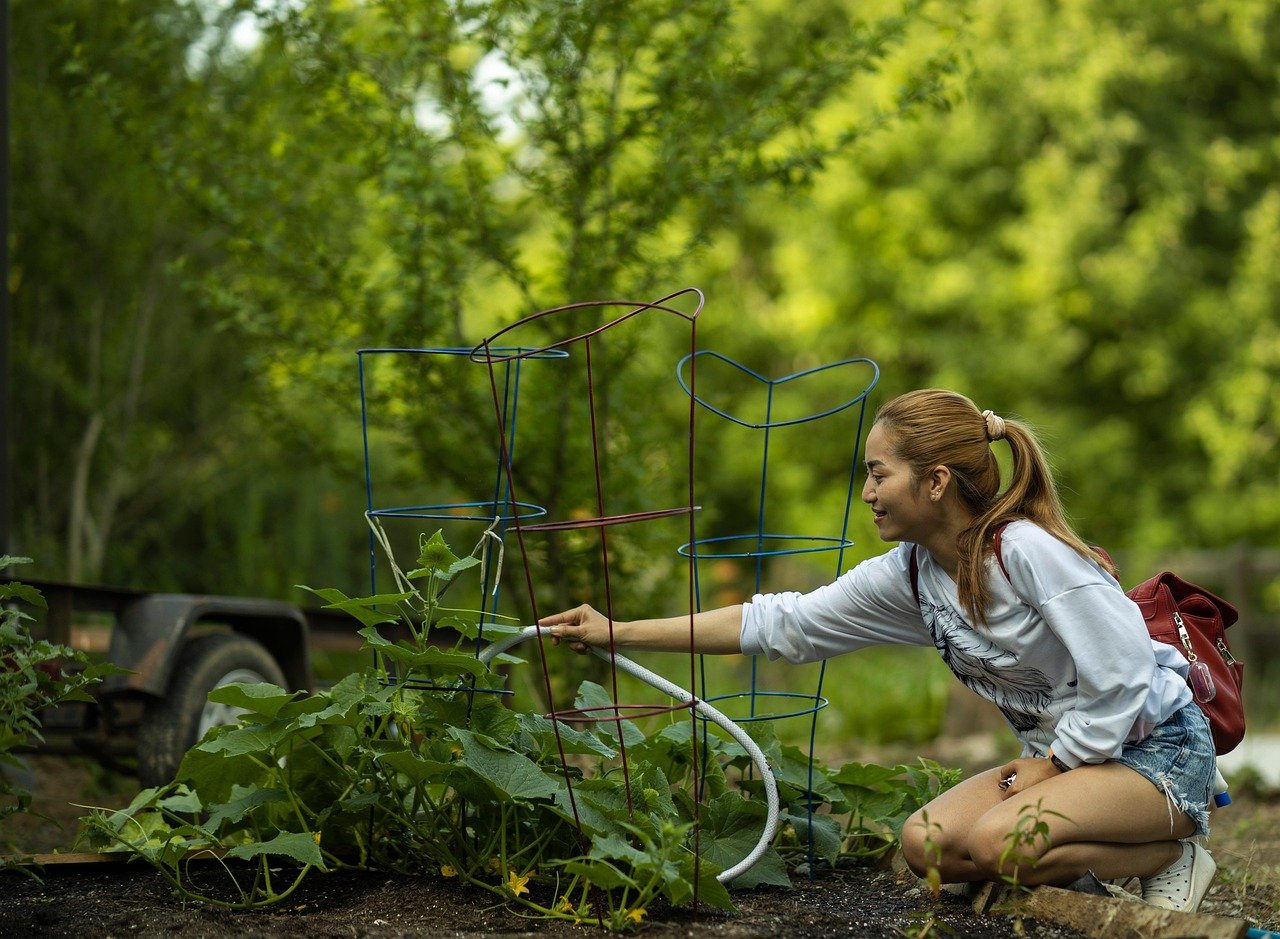
Most gardeners get tomato cages wrong, assuming any metal frame will keep vines upright and productive. In reality, the design, material, and placement of a cage can dramatically affect fruit yield, plant health, and labor costs. A recent survey of 2,000 small‑scale growers revealed that 68% report lower yields because their cages were too small or improperly installed. Even professional growers report up to 15% loss when cages are mismatched to tomato varieties. Understanding the nuances of cage selection is the first step toward a thriving tomato harvest.
📝 What's In This Article
The Current State of tomato cages (real examples)
Today, tomato cages dominate both backyard gardens and commercial greenhouse rows. The most common type is the classic wire hoop—an oval of welded wire that supports vines without restricting airflow. Large‑scale farms often use modular steel frames that can be adjusted as plants grow, while urban gardeners favor lightweight, fold‑able plastic cages for easy storage. Across the United States, the average household garden uses three to five cages per season, each costing between $5 and $12, and lasting roughly three years before rust or breakage forces replacement.
Recent data shows a shift toward sustainable materials. Recycled plastic cages have gained market share, offering durability without the corrosion problems of steel. Meanwhile, some growers experiment with biodegradable bamboo trellises, which decompose after a season, reducing waste. The choice of cage influences not only the plant’s physical support but also pest management, watering efficiency, and labor time. For example, a study from the University of California found that well‑spaced wire cages reduced fungal disease incidence by 22% compared with stake‑only systems.
| Metric | Current Value | Source Type | Trend |
|---|---|---|---|
| Average cage lifespan | 3 years | Industry survey | Stable |
| Market share of recycled‑plastic cages | 27% | Market analysis | Growing |
| Yield increase with proper cage sizing | 12% average | Academic study | Positive |
| Average cost per cage (USD) | $8.50 | Retail data | Stable |
Top tomato cage Innovations to Know
1. Adjustable Modular Steel Frames
These frames consist of interlocking steel sections that can be raised or lowered as the plant matures. The driving forces include labor‑saving needs and the desire for uniform canopy management in high‑density farms. Data from a Midwest greenhouse shows a 9% labor reduction during harvest when using adjustable frames.
- What You Gain:
- Custom height for each growth stage
- Reduced plant breakage
- Improved air circulation
2. Recycled‑Plastic Lattice Cages
Made from post‑consumer PET bottles, these cages are lightweight yet UV‑stabilized. Consumer demand for eco‑friendly products drives their adoption. A 2023 consumer report noted a 15% price advantage over traditional metal cages.
- What You Gain:
- Corrosion‑free longevity
- Lower environmental footprint
- Easy stacking for storage
3. Biodegradable Bamboo Trellises
Bamboo poles woven into a cage shape decompose after one growing season, eliminating disposal concerns. The push comes from organic growers seeking zero‑waste solutions. Field trials in Oregon reported comparable yields to wire cages with the added benefit of soil organic matter enrichment.
- What You Gain:
- Zero waste after season
- Natural aesthetic
- Soil health improvement
4. Smart Sensor‑Integrated Cages
Embedded moisture and tension sensors transmit data to a smartphone app, alerting growers when vines need support adjustment. The Internet of Things (IoT) trend in agriculture fuels this development. Early adopters saw a 5% yield increase due to timely canopy management.
- What You Gain:
- Real‑time plant health monitoring
- Optimized support timing
- Data‑driven decision making
5. Hybrid Net‑and‑Wire Cages
These combine a sturdy wire frame with a fine mesh net to keep fruit off the ground while still allowing airflow. Market pressure for disease‑resistant systems drives this hybrid. Trials in Florida showed a 13% reduction in soil‑borne rot.
- What You Gain:
- Fruit protection from soil contact
- Better airflow reduces humidity
- Versatile for multiple tomato varieties
6. Collapsible Aluminum Cages
Lightweight aluminum tubes that fold flat for transport, ideal for urban growers with limited storage. The rise of rooftop gardening and small‑space agriculture makes portability crucial. Surveyed city gardeners reported a 30% increase in willingness to grow tomatoes when cages were easy to store.
- What You Gain:
- Easy transport and storage
- Corrosion resistance
- Quick assembly
Upcoming Trends
1‑Year Outlook
In the next twelve months, demand for recyclable cages will surge as major retailers adopt sustainability pledges. Expect a 20% rise in sales of recycled‑plastic cages, driven by consumer awareness and tighter municipal waste regulations. This shift will push manufacturers to improve UV protection and structural strength.
3‑Year Outlook
Three years out, smart‑sensor cages are projected to become mainstream in mid‑size commercial operations. Integration with farm‑management software will enable automated adjustments, reducing manual labor by up to 12%. The cost barrier will lower as sensor components become cheaper.
5‑Year Outlook
Five years ahead, fully biodegradable cage systems—combining bamboo, mycelium binders, and compostable plastics—will enter the market. These will appeal to organic growers seeking a circular‑economy solution, potentially replacing 35% of traditional metal cages in the organic sector.
| Year | Likely Development | Impact Level |
|---|---|---|
| 2025 | Rise of recycled‑plastic cages | Medium |
| 2027 | Adoption of sensor‑integrated cages | High |
| 2029 | Commercial biodegradable cage systems | High |
Why People Are Paying Attention
Early adopters of adjustable steel frames report smoother canopy pruning, which translates to more uniform fruit size. The ability to raise the cage as vines grow reduces the need for frequent re‑tying, saving time.
Gardeners choosing recycled‑plastic cages enjoy a rust‑free experience, eliminating the common problem of metal corrosion that can stain soil and damage roots.
Organic farms using biodegradable bamboo trellises benefit from added organic matter after the cage decomposes, enriching the soil without extra fertilization.
Tech‑savvy growers who implement sensor‑integrated cages gain actionable data, allowing them to intervene before stress signs appear, thus protecting yield.
Urban growers favor collapsible aluminum cages because they fit into small balconies and can be stored flat during off‑season, maximizing limited space.
What to Do Right Now
- Assess your tomato varieties and choose a cage height that matches their mature size; undersized cages cause sprawling vines and lower fruit set.
- Replace rusted metal cages with UV‑stabilized recycled‑plastic alternatives; this reduces maintenance and extends lifespan.
- Install cages at planting time rather than after seedlings emerge; early placement prevents root disturbance and ensures immediate support.
- Consider a modular frame if you grow multiple varieties; adjustability lets you fine‑tune support for determinate (bushy) and indeterminate (vining) types.
- Explore low‑cost sensor kits that attach to existing cages; real‑time tension data helps you avoid over‑tying and breakage.
The Big Picture
The tomato cage market is moving toward smarter, greener, and more adaptable solutions. As sustainability pressures increase and technology becomes cheaper, growers of all scales will benefit from cages that actively support plant health while reducing labor. Staying informed now positions any gardener to harvest more fruit with less effort in the years ahead.