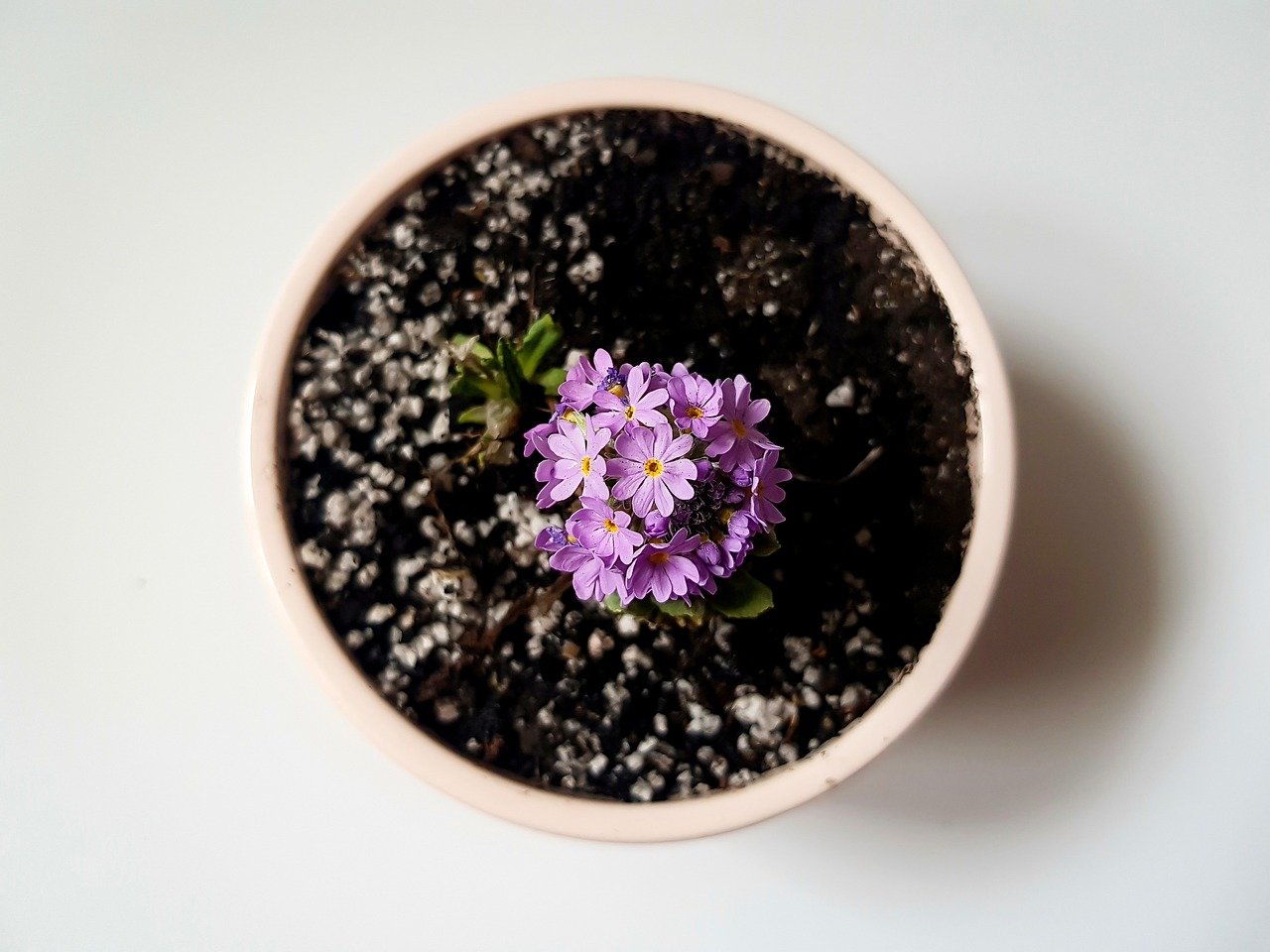
Imagine walking into a garden filled with vibrant flowers and lush greenery, all beautifully presented in a variety of pots. However, achieving this serene and inviting atmosphere can be daunting, especially for those new to gardening. The process of selecting, preparing, and maintaining flower pots can be overwhelming. Common issues such as poor drainage, inadequate soil, and insufficient sunlight can lead to disappointing results.
📝 Article Overview
Common Challenges With Flower Pots (Step by Step)?
Poor Drainage and Waterlogging
Poor drainage is a significant issue in flower pots, leading to waterlogging, which can cause roots to rot. This happens because many potting mixes are designed to retain moisture, and without proper drainage holes, excess water cannot escape. As a result, the roots of the plants are constantly submerged in water, leading to root rot and eventual plant death.
Inadequate Soil Quality
Inadequate soil quality is another common challenge. The soil in flower pots can quickly become depleted of nutrients, and if not regularly replenished, it can lead to stunted plant growth. Moreover, using garden soil from the yard can compact in pots, preventing proper root growth and water penetration. This is because garden soil is much denser than potting mix and does not contain the necessary ingredients for healthy root development in containers.
Insufficient Sunlight
Insufficient sunlight is a critical factor that affects the health and vitality of plants in flower pots. Most flowering plants require at least six hours of direct sunlight per day to bloom well. However, if the pots are placed in shaded areas, the plants may not receive enough light, leading to weak stems, fewer blooms, and increased susceptibility to disease.
Pests and Diseases
Pests and diseases are also significant challenges for plants in flower pots. The confined space of a pot can make plants more susceptible to pests like aphids, whiteflies, and spider mites, as well as diseases such as root rot, leaf spot, and powdery mildew. These issues can spread quickly in the closed environment of a pot and can be difficult to eradicate once established.
Maintenance Overload
Maintenance overload is another challenge gardeners face with flower pots. Between watering, fertilizing, pruning, and repotting, the care of flower pots can become overwhelming, especially for those with many pots or limited gardening experience. Neglecting any of these tasks can lead to suboptimal plant health and appearance.
Core Flower Pot Approaches
1. Selecting the Right Pot Size
Selecting the right pot size is crucial for the health of plants. A pot that is too small can lead to root bound plants, while a pot that is too large can cause the soil to become too wet. The rule of thumb is to choose a pot that is only one to two sizes larger than the plant’s current pot. This allows for sufficient root growth without risking waterlogging.
- Key Benefits:
- Prevents root bound conditions
- Optimizes water and nutrient absorption
- Supports healthy root development
2. Improving Drainage
Improving drainage in flower pots is essential to prevent waterlogging. This can be achieved by adding a layer of small rocks or broken pottery at the bottom of the pot before adding the potting mix. Additionally, ensuring that the pot has sufficient drainage holes is critical. If the pot does not have built-in holes, it may be necessary to drill some.
- Key Benefits:
- Reduces the risk of root rot
- Prevents waterlogged soil
- Enhances root health and plant stability
3. Choosing the Right Potting Mix
Choosing the right potting mix can significantly impact plant health. A good potting mix should be well-draining, yet retain enough moisture to support plant growth. It should also contain necessary nutrients for plant development. Avoid using garden soil, as it can compact and prevent proper drainage.
- Key Benefits:
- Provides optimal moisture retention and drainage
- Contains necessary nutrients for plant growth
- Supports healthy root development
4. Providing Adequate Sunlight
Providing adequate sunlight is crucial for the health and flowering of plants in pots. Most plants require at least six hours of direct sunlight per day. Placing pots in sunny locations or using grow lights can help achieve this.
- Key Benefits:
- Encourages healthy plant growth
- Enhances flowering and fruiting
- Increases plant vigor and resistance to disease
5. Implementing a Balanced Fertilization Schedule
Implementing a balanced fertilization schedule is vital for the nutritional needs of plants in pots. Overfertilization can be as harmful as underfertilization, leading to weak growth, leaf burn, or an overabundance of foliage at the expense of flowers. A balanced, water-soluble fertilizer used at half the recommended strength can help avoid these issues.
- Key Benefits:
- Supports healthy plant growth
- Encourages flowering and fruiting
- Prevents fertilizer burn
6. Regular Pruning and Grooming
Regular pruning and grooming are essential for maintaining the health and appearance of plants in flower pots. Pruning helps control the size of the plant, promotes bushy growth, and encourages more blooms. Regularly inspecting plants for pests and diseases and taking prompt action can prevent the spread of these issues.
- Key Benefits:
- Maintains plant shape and size
- Enhances flowering
- Prevents the spread of pests and diseases
| Approach | Old Way | Better Way | Result |
|---|---|---|---|
| Pot Selection | Selecting pots based on aesthetics alone | Choosing pots based on plant needs and growth habits | Healthier plants, better growth |
| Soil Choice | Using garden soil in pots | Using a well-draining potting mix | Improved drainage, healthier roots |
| Watering | Watering on a fixed schedule | Watering based on soil moisture | Reduced risk of overwatering, healthier plants |
| Fertilization | Using fertilizer at full strength | Using balanced fertilizer at half strength | Prevention of fertilizer burn, healthier growth |
| Pest Control | Ignoring pest issues until severe | Regularly inspecting for pests and taking prompt action | Prevention of pest spread, healthier plants |
Real-World Benefits
In a small backyard in suburban California, a homeowner applied these principles to transform a neglected garden into a vibrant oasis. By selecting the right pot size, improving drainage, and providing adequate sunlight, the plants flourished, attracting a variety of beneficial insects and birds.
A community garden in New York City used these approaches to create a thriving flower pot garden on a rooftop. The garden became a haven for local residents, providing a peaceful escape from the bustling city and showcasing the potential of urban gardening.
A nursery in Florida adopted these methods to improve the health and appearance of their potted plants. By focusing on balanced fertilization and regular pruning, they noticed a significant reduction in pest and disease issues, leading to healthier plants and increased customer satisfaction.
In a park in London, a group of volunteers applied these principles to restore a neglected flower pot garden. The garden was revitalized, becoming a popular spot for both locals and tourists, and demonstrating the impact of community involvement in gardening projects.
A gardening class in Australia taught students how to implement these approaches in their own gardens. The students reported significant improvements in plant health and a greater understanding of gardening principles, highlighting the educational value of hands-on gardening experience.
Step-by-Step Action Plan
- Assess the current state of your flower pots, including the size, drainage, and soil quality, to identify areas for improvement. This step is crucial for understanding what changes need to be made to support healthier plant growth.
- Select the right pot size for your plants, considering their current size and potential for growth. Choosing an appropriately sized pot ensures that the roots have enough room to expand without becoming waterlogged.
- Improve drainage in your flower pots by adding a layer of small rocks or broken pottery and ensuring adequate drainage holes. This prevents waterlogging and root rot, promoting healthier root development.
- Choose a well-draining potting mix that contains necessary nutrients for plant growth, avoiding the use of garden soil in pots. This provides the optimal environment for root growth and nutrient uptake.
- Position your flower pots in locations that provide adequate sunlight, or consider using grow lights if necessary. Sufficient sunlight is essential for photosynthesis and the overall health of the plants.
- Implement a balanced fertilization schedule, using a water-soluble fertilizer at half the recommended strength to prevent overfertilization. This ensures that plants receive the necessary nutrients for healthy growth without the risk of fertilizer burn.
- Regularly inspect your plants for pests and diseases, taking prompt action to prevent their spread. Early detection and treatment are key to maintaining the health and vitality of your plants.
The Bottom Line
Mastering the art of flower pots requires a deep understanding of plant needs and careful planning. By selecting the right pot, improving drainage, choosing a suitable potting mix, providing adequate sunlight, implementing a balanced fertilization schedule, and regularly pruning and inspecting for pests, gardeners can create thriving and beautiful flower pot gardens. As gardening techniques continue to evolve, embracing these core approaches will remain fundamental to achieving success and enjoyment in the world of flower pots.