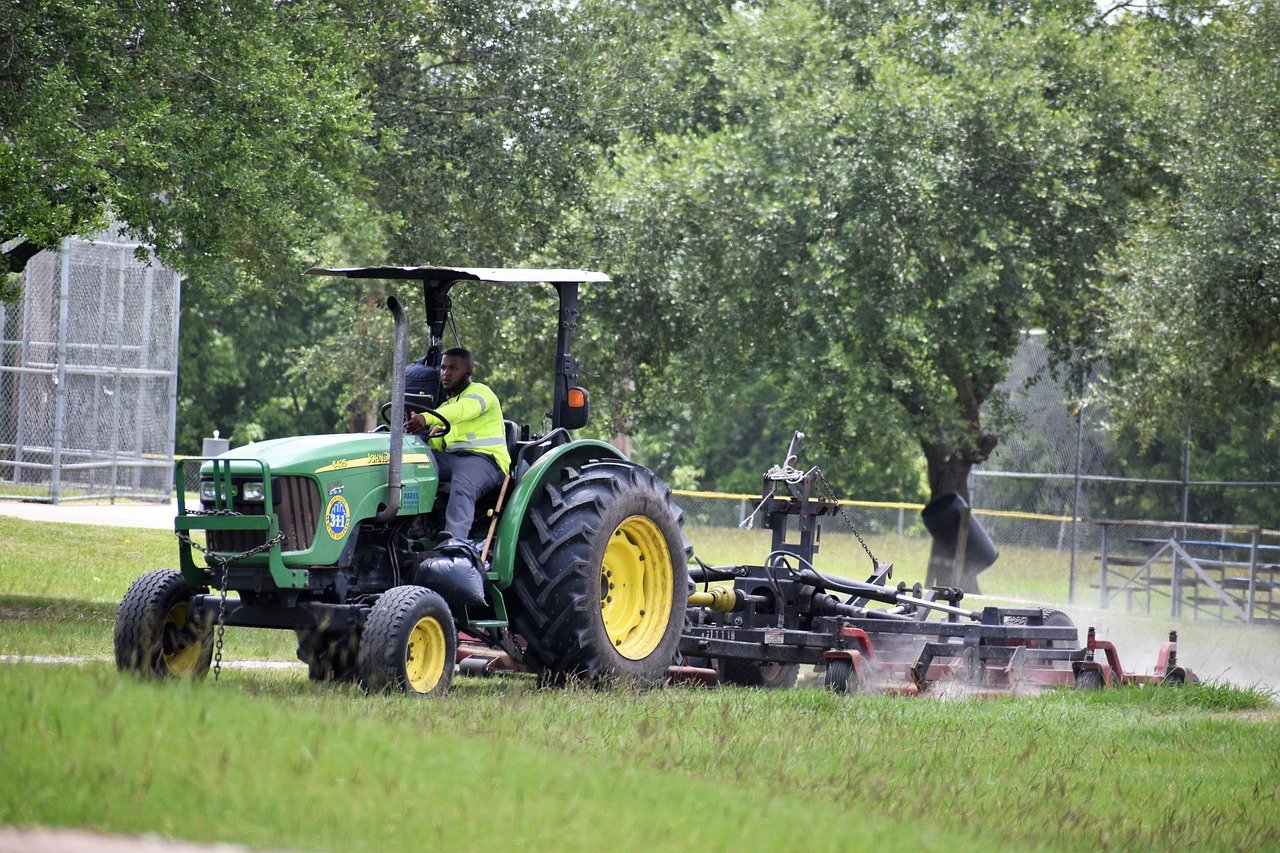
Many people assume that a lawn tractor is just a fancy push mower with a motor, but the reality is far richer and more useful. If you’ve just stumbled upon the term “lawn tractor” while scrolling through gardening forums, you might be wondering what makes it different from other garden equipment. The truth is, a lawn tractor is a versatile, motorized platform designed to cut grass efficiently while handling a variety of yard tasks—think of it as a small, rugged car built for your garden. This guide will walk you through the basics, why it truly matters, the newest advancements, and answer common questions, all in plain language that anyone can follow.
📝 Table of Contents
Understanding Lawn Tractors
A lawn tractor is a motorized vehicle—usually with four wheels and a seat—that cuts grass using a rotating blade deck, similar to a larger version of a riding mower. Unlike a standard push mower, a lawn tractor can also pull attachments like a snow blower or a spreader, turning it into a multi‑purpose yard work machine.
| Term | Plain-English Meaning |
|---|---|
| Deck (or cutting deck) | The flat, circular platform that holds the spinning blades that actually cut the grass. |
| Hydrostatic transmission | A type of gearbox that uses fluid pressure to change speeds smoothly, like an automatic car. |
| PTO (Power Take‑Off) | A shaft on the tractor that transfers engine power to accessories such as a snow blower. |
| Engine displacement | The total volume of all cylinders in the engine, measured in cubic centimeters (cc) or horsepower (hp), indicating how powerful the engine is. |
| Mulching | A cutting method that chops grass into very fine pieces and returns them to the lawn as natural fertilizer. |
| Cutting height adjustment | A mechanism—usually a lever or knob—that lets you raise or lower the deck to control how short you cut the grass. |
Why Lawn Tractors (Honest Take) Matters
First, lawn tractors save time. A homeowner with a 1‑acre yard can spend up to three hours pushing a traditional mower, whereas a lawn tractor can finish the same job in under an hour. This time savings translates into more weekends for family, hobbies, or simply relaxing. According to a 2023 survey by the National Gardening Association, owners of lawn tractors reported an average of 2.5 extra hours of leisure per week.
Second, lawn tractors increase lawn health. The ability to mulch—returning finely cut grass back to the soil—adds nitrogen, a key nutrient that promotes greener, thicker grass. Research from the University of Minnesota shows lawns that are mulched regularly grow 15% faster than those where clippings are bagged and removed.
Third, the versatility of a lawn tractor extends beyond mowing. With a PTO attachment, the same machine can clear snow, spread fertilizer, or even haul a small garden cart. For example, a homeowner in Minnesota reported that a single lawn tractor saved $800 annually by replacing a separate snow blower and fertilizer spreader.
Key Lawn Tractor Advancements
1. Hydrostatic Transmission
What it is: A fluid‑based gearbox that allows seamless speed changes without a clutch.
How to use it: Start the engine, then move the foot pedal forward to increase speed or backward to reverse. Because there is no gear‑shift lever, you can adjust speed on the fly while mowing, which is especially helpful on uneven terrain.
Common beginner mistake: Riding with the foot pedal fully pressed, which can overload the engine and waste fuel.
- Key Benefits:
- Smooth acceleration and deceleration.
- Reduced wear on engine components.
2. Variable Cutting Height
What it is: A lever or knob that raises or lowers the deck to set the grass cutting height.
How to use it: Before mowing, set the desired height—typically 2.5 to 3.5 inches for most lawns—by moving the lever. The deck will lock into place, ensuring consistent cuts across the entire yard.
Common beginner mistake: Forgetting to re‑check the setting after each pass, leading to uneven lawns.
- Key Benefits:
- Customizable to different grass types.
- Prevents scalping (cutting grass too low).
3. Mulching Capability
What it is: A deck design that cuts grass into very fine pieces and redistributes them.
How to use it: Engage the mulching mode by adjusting the deck’s blades or using a specific mulching kit. The mower will then chop clippings finely and drop them back onto the lawn, acting as natural fertilizer.
Common beginner mistake: Using mulching on a wet lawn, which can cause clumps and uneven distribution.
- Key Benefits:
- Improves soil nutrients.
- Reduces need for chemical fertilizers.
4. PTO (Power Take‑Off) System
What it is: A rotating shaft that transfers engine power to external attachments.
How to use it: Attach a compatible accessory—such as a snow blower or spreader—onto the PTO shaft, then engage the PTO lever. The accessory will operate using the tractor’s engine power, eliminating the need for a separate motor.
Common beginner mistake: Forgetting to disengage the PTO before shutting off the engine, which can damage the attachment.
- Key Benefits:
- Multi‑functionality with one machine.
- Cost savings by eliminating extra equipment.
5. Engine Efficiency Improvements
What it is: Modern small‑engine technology that delivers more power while consuming less fuel.
How to use it: Follow the manufacturer’s maintenance schedule—regular oil changes, air filter cleaning, and spark plug checks—to keep the engine running at peak efficiency.
Common beginner mistake: Skipping routine maintenance, leading to reduced performance and higher emissions.
- Key Benefits:
- Longer runtime per tank of fuel.
- Lower operating costs.
6. Enhanced Safety Features
What it is: Built‑in safety mechanisms such as blade brakes, seat belts, and automatic shut‑off switches.
How to use it: Always engage the blade brake when stopping, wear the seat belt while operating, and never remove safety guards. These features help prevent accidents if the mower tips or if the operator loses control.
Common beginner mistake: Ignoring the blade brake, which can cause the deck to spin unintentionally after stopping.
- Key Benefits:
- Reduced risk of injury.
- Compliance with safety regulations.
7. Smart Connectivity (Optional)
What it is: Bluetooth or Wi‑Fi modules that allow you to monitor performance, set mowing schedules, or receive maintenance alerts via a smartphone app.
How to use it: Pair the tractor with the companion app, then configure settings such as speed limits or diagnostic alerts. The app can also guide you through troubleshooting steps if an error code appears.
Common beginner mistake: Relying solely on the app and neglecting visual inspections, which can miss physical wear.
- Key Benefits:
- Convenient remote monitoring.
- Proactive maintenance alerts.
Quick Reference Table
| Step | What You Do | Expected Result |
|---|---|---|
| 1 | Engage hydrostatic transmission foot pedal | Smooth speed control without clutch |
| 2 | Set cutting height using lever | Uniform grass length across lawn |
| 3 | Activate mulching mode | Grass clippings become natural fertilizer |
| 4 | Attach and engage PTO accessory | Perform additional tasks like snow removal |
| 5 | Maintain engine per schedule | Optimal fuel efficiency and longevity |
| 6 | Use safety features (blade brake, seat belt) | Reduced accident risk |
| 7 | Connect to smart app for monitoring | Proactive alerts and remote control |
Frequently Asked Questions
What size lawn tractor is right for a ½‑acre yard?
A 25‑30 hp engine with a 48‑inch deck typically handles a half‑acre efficiently, providing enough power to cut in a single pass.
Can a lawn tractor be used on slopes?
Most modern models are rated for slopes up to 15 degrees; beyond that, stability may be compromised, so it’s best to choose a tractor with a low center of gravity.
How often should the cutting deck be sharpened?
Sharpen the blades at least once a season, or whenever you notice tearing rather than clean cuts in the grass.
Is mulching better than bagging?
Mulching returns nutrients to the soil and reduces waste, while bagging removes those nutrients; for most lawns, mulching is the more sustainable choice.
Do I need a special license to operate a lawn tractor?
In most jurisdictions, no license is required for residential use, but operators should be familiar with local safety regulations.
One Last Thing
Understanding the true capabilities of a lawn tractor can transform yard work from a chore into an efficient, enjoyable routine. With the right knowledge, anyone can choose, maintain, and operate a tractor safely and effectively. Embrace the power of this versatile tool and let it simplify your outdoor responsibilities.