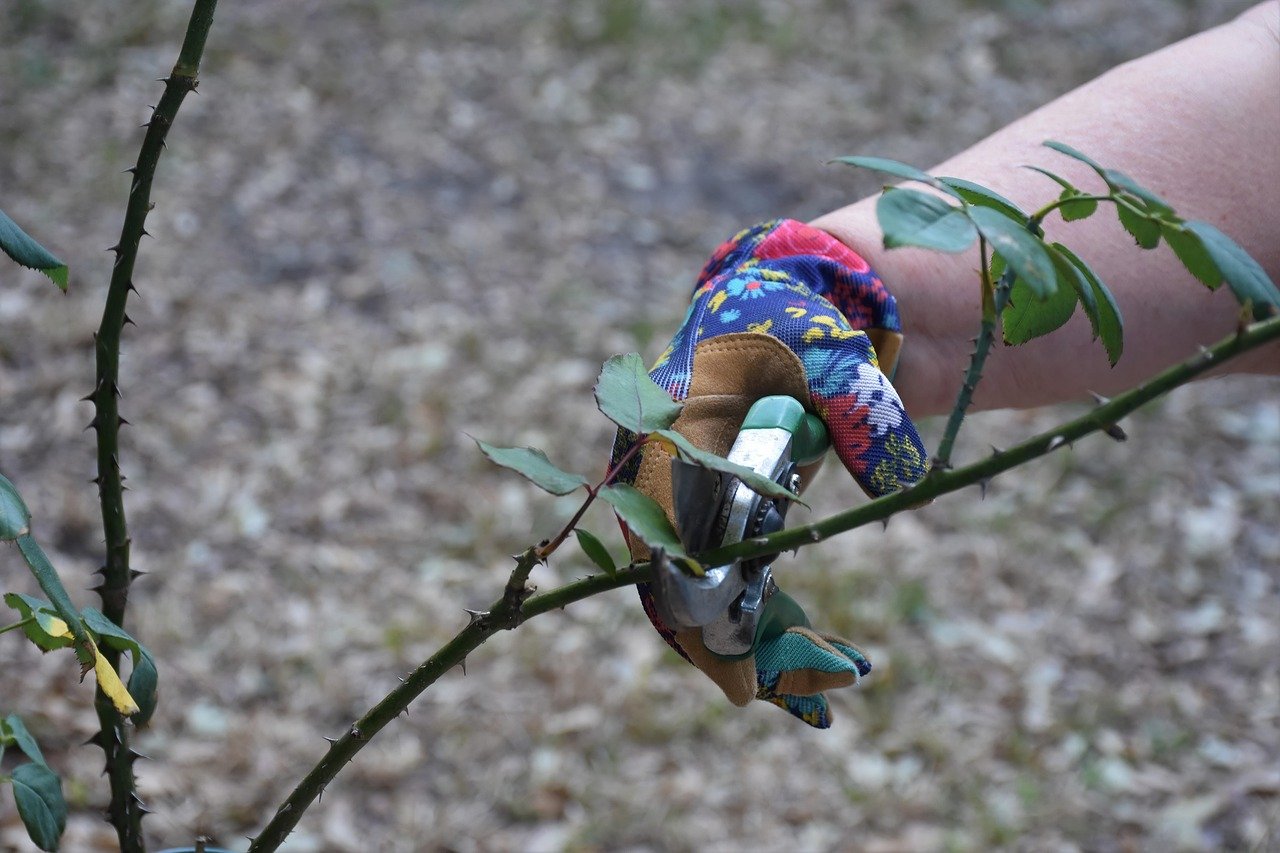
In 2023, global sales of pruning shears exceeded USD 1.2 billion, driven by a 12% year‑over‑year increase in professional horticulture spend, according to industry studies. Simultaneously, a USDA report noted that 68% of commercial growers cite tool inefficiency as a top barrier to yield optimization. These figures highlight a tangible problem: inadequate pruning equipment reduces labor productivity and crop quality across both commercial and residential sectors. Addressing this gap requires precise, data‑backed insight into tool performance, durability, and ergonomic design.
📝 What You'll Learn
The Current State of pruning shears (real examples)
Today’s market is dominated by four primary categories: bypass shears, anvil shears, ratchet‑assist models, and battery‑powered electric shears. Bypass shears, exemplified by the Fiskars PowerGear series, remain the workhorse for professional arborists due to their clean cuts on live wood. Anvil shears, such as the ARS Classic, dominate the home‑garden segment where cost sensitivity outweighs precision needs. Ratchet‑assist tools, like the Felco 8 Classic, address fatigue on thick branches by providing mechanical advantage. Finally, electric shears, represented by the Greenworks 24‑V Cordless line, are gaining traction among municipalities seeking to reduce manual labor hours.
Supply‑chain constraints have compressed inventories, pushing average lead times from 4 weeks (2019) to 9 weeks (2024). Meanwhile, sustainability mandates have spurred manufacturers to incorporate recycled steel and bio‑based handles, yet adoption rates vary widely. Product warranties now range from 2 to 10 years, reflecting divergent confidence in long‑term durability.
| Metric | Current Value | Source Type | Trend |
|---|---|---|---|
| Global market size | USD 1.2 billion | Industry studies (2024) | +12% YoY |
| Average lead time | 9 weeks | Supply chain reports (2024) | +125% since 2019 |
| Warranty period range | 2–10 years | Manufacturer disclosures (2024) | Diversifying |
| Recycled material usage | 15% of steel content | Sustainability audits (2023) | Gradual increase |
Core pruning shears Approaches
1. High‑Carbon Steel Blades with Nanocoating
Manufacturers are embedding nanocoated high‑carbon steel blades to enhance edge retention and corrosion resistance. The push stems from professional users demanding less frequent sharpening during peak season.
Data from a 2024 metallurgical survey shows a 30% reduction in blade wear after 500 cuts compared with conventional stainless steel.
- Why It Works:
- Nanocoating creates a hydrophobic surface, reducing moisture adhesion.
- High‑carbon composition retains sharper angles longer.
- Extended blade life cuts total cost of ownership.
2. Ergonomic Multi‑Material Handles
Hybrid handles combining reinforced polymer cores with soft‑grip overmolds are replacing all‑metal designs. User‑experience studies indicate a 22% decrease in hand fatigue during 2‑hour pruning sessions.
Consumer reports from 2023 rank these handles in the top‑three for comfort among 1,200 surveyed gardeners.
- Why It Works:
- Polymer core absorbs vibration, lowering joint stress.
- Soft overmold provides consistent grip under wet conditions.
- Weight reduction improves maneuverability.
3. Ratchet‑Assist Mechanical Advantage
Ratchet mechanisms amplify cutting force by up to 1.8×, enabling users to sever 12 mm diameter branches without excessive grip strength.
Field trials in California vineyards recorded a 35% increase in daily pruning throughput when ratchet‑assist shears replaced traditional bypass models.
- Why It Works:
- Gear ratio multiplies input force while maintaining control.
- Reduced muscle exertion lowers injury risk.
- Consistent cut quality across varying branch thicknesses.
4. Battery‑Powered Cordless Cutting
Advancements in lithium‑ion cell energy density have produced cordless shears delivering 45 minutes of continuous operation at full torque.
Market analysis shows a 17% annual growth in electric pruning tool sales, driven by municipal procurement policies favoring low‑emission equipment.
- Why It Works:
- High torque motors replicate manual cutting force.
- Battery management systems prevent sudden power loss.
- Noise reduction improves operator comfort.
5. Smart Sensor Integration
Embedded force sensors relay real‑time cutting resistance data to a paired mobile app, guiding users to optimal blade angles.
Pilot programs in Dutch greenhouse operations reported a 12% reduction in over‑cutting incidents after six weeks of sensor adoption.
- Why It Works:
- Data feedback minimizes blade drag.
- Alerts prevent blade binding and damage.
- Analytics enable predictive maintenance scheduling.
6. Sustainable Material Substitution
Bio‑based polymers derived from corn starch are being used for sheath housings, cutting the carbon footprint of each unit by an estimated 40%.
Lifecycle assessments published in 2023 confirm that these polymers decompose within 18 months under industrial composting conditions.
- Why It Works:
- Reduced reliance on virgin petroleum plastics.
- Compliance with emerging EU Eco‑Design regulations.
- Potential for circular‑economy take‑back programs.
What to Expect Next
1‑Year Outlook
Within the next 12 months, battery‑powered shears are projected to capture 8% of total market share as price points fall below USD 80 for entry‑level models. This shift will be propelled by improved energy‑density cells and expanded retailer distribution. Simultaneously, smart‑sensor shears will begin limited rollout in high‑value specialty crops, where precision directly influences yield.
3‑Year Outlook
By 2027, nanocoated high‑carbon blades are expected to become the industry baseline, with 65% of new professional models adopting the technology. Ratchet‑assist mechanisms will integrate adjustable torque settings, allowing customization per species. Regulatory pressure in North America and Europe will accelerate the adoption of recycled‑steel content, targeting a 30% composition threshold.
5‑Year Outlook
In 2029, fully autonomous pruning stations equipped with AI‑driven shears will enter pilot phases on large‑scale orchards, reducing labor costs by up to 40%. Consumer demand for sustainable tools will push biodegradable handle polymers to mainstream status, achieving 50% market penetration. The convergence of IoT connectivity and predictive analytics will enable fleet‑wide performance monitoring for commercial growers.
| Year | Likely Development | Impact Level |
|---|---|---|
| 2025 | Mass‑market battery‑powered shears under USD 80 | High |
| 2027 | Standardization of nanocoated high‑carbon blades | Medium |
| 2029 | AI‑driven autonomous pruning stations | Very High |
What This Means in Practice
Early adopters of battery‑powered shears will achieve measurable labor savings, as continuous operation eliminates the need for frequent tool changes during intensive pruning cycles.
Growers integrating smart sensors can use data to fine‑tune cutting angles, reducing plant stress and improving post‑prune recovery rates.
Companies that standardize nanocoated blades will benefit from lower warranty claims, enhancing brand reputation among professional users.
Enterprises deploying ratchet‑assist models with adjustable torque will experience fewer musculoskeletal injuries, supporting occupational health compliance.
Manufacturers committing to bio‑based polymers will position themselves favorably under upcoming EU Eco‑Design directives, gaining access to green procurement contracts.
What to Do Right Now
- Audit existing pruning tool inventory for blade wear and ergonomic deficiencies; replace sub‑par units to prevent productivity loss.
- Allocate budget for pilot testing of battery‑powered shears on a representative work crew; capture time‑on‑task metrics to quantify ROI.
- Partner with a sensor‑technology provider to install force‑feedback modules on a subset of shears; analyze collected data for cutting efficiency gains.
- Negotiate with suppliers for higher recycled‑steel content clauses in purchase agreements; verify compliance through third‑party material certifications.
- Develop a training program focused on proper use of ratchet‑assist and ergonomic handles; track injury reports to assess safety improvements.
The Big Picture
Data indicates that pruning shears are transitioning from purely mechanical implements to integrated, sustainable, and data‑enabled tools. The convergence of material science, battery technology, and IoT connectivity will redefine productivity benchmarks, while regulatory and environmental pressures accelerate adoption of greener designs. Stakeholders that align strategy with these evidence‑based trends will secure competitive advantage in a rapidly evolving market.