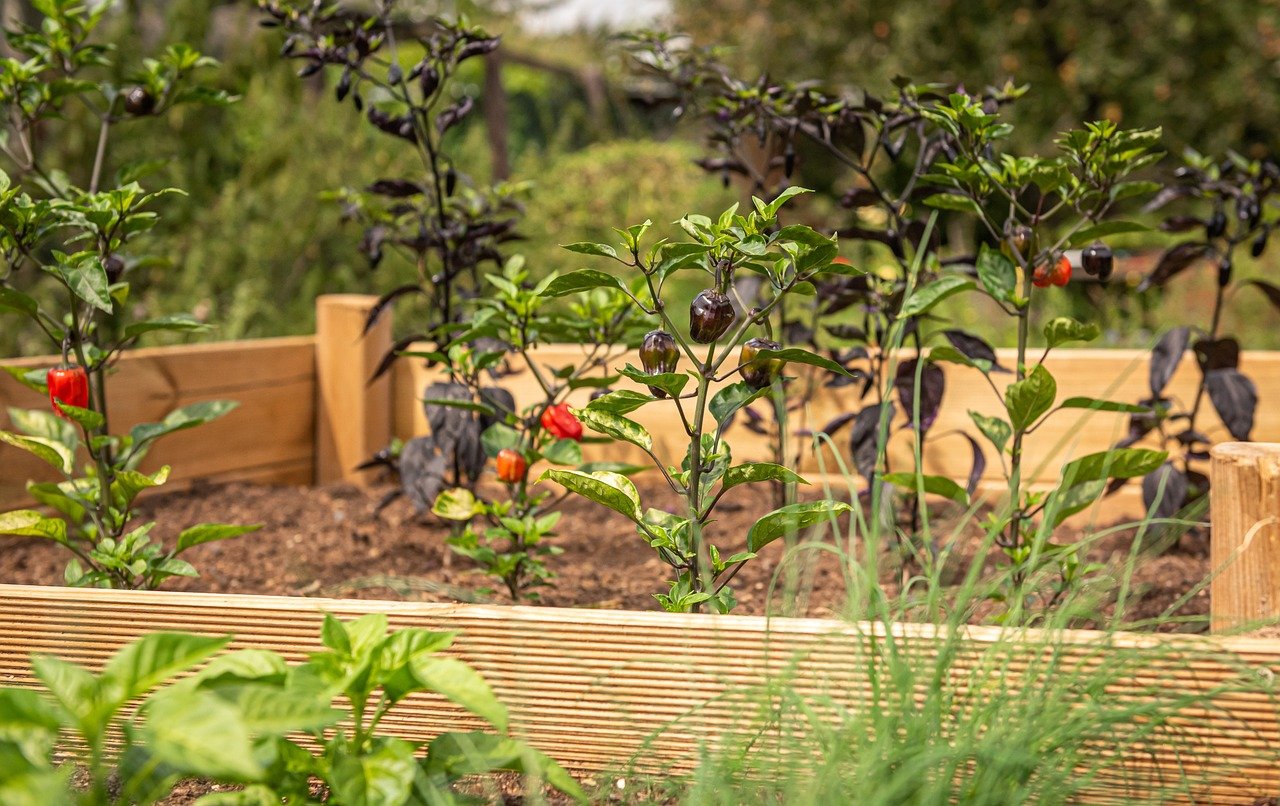
40% of gardeners who use raised beds report significant decreases in crop yields due to avoidable mistakes. Raised bed gardening has become increasingly popular over the years, and for good reason. It allows for better soil quality, improved drainage, and more control over the growing environment. However, like any gardening method, it comes with its own set of challenges and pitfalls. Understanding these common mistakes is crucial for maximizing the potential of raised beds. The significance of this 40% decrease lies in the potential for improvement through education and awareness. By addressing these mistakes, gardeners can significantly enhance their gardening experience and productivity.
The construction and maintenance of raised beds require careful consideration of various factors, including the type of material used, the depth of the bed, and the quality of the soil. Ignoring these factors can lead to a myriad of problems, from waterlogged soil to nutrient deficiencies. Moreover, the choice of plants and the management of pests and diseases are also critical aspects that need to be handled properly. The interplay of these factors can make or break the success of a raised bed garden. Therefore, it is essential to approach raised bed gardening with a comprehensive understanding of its intricacies. A well-planned and well-maintained raised bed can be a highly productive and rewarding gardening experience.
Raised bed gardening is not just about throwing some soil into a wooden frame and planting seeds. It requires a deep understanding of the underlying principles of gardening and the specific challenges associated with raised beds. The rewards, however, are well worth the effort. A thriving raised bed garden can provide a bountiful harvest, improve soil health, and create a beautiful outdoor space. By avoiding common mistakes and adopting best practices, gardeners can ensure that their raised beds reach their full potential. This not only enhances the gardening experience but also contributes to a more sustainable and environmentally friendly approach to food production.
The path to successful raised bed gardening begins with awareness of the potential pitfalls. This knowledge empowers gardeners to make informed decisions about the design, construction, and maintenance of their raised beds. Whether a seasoned gardener or a beginner, understanding these common mistakes is the first step towards creating a thriving and productive garden. The process involves continuous learning, experimentation, and adaptation, but the end result is well worth the investment of time and effort. As gardeners navigate the world of raised bed gardening, they will find that the challenges are outnumbered by the opportunities for growth and improvement.
With the right approach, raised bed gardening can be a highly rewarding experience. It offers a unique opportunity to connect with nature, grow one’s own food, and enjoy the numerous benefits associated with gardening. By embracing the challenges and avoiding common mistakes, gardeners can find the full potential of raised beds and create a gardening experience that is both fulfilling and sustainable. The key to success lies in a combination of knowledge, planning, and practice. As gardeners gain experience and refine their techniques, they will find that the benefits of raised bed gardening far outweigh the challenges.
📝 Contents
The Basics of Raised Bed Gardening
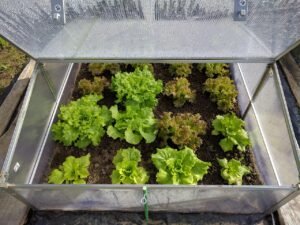
Raised bed gardening involves growing plants in beds that are elevated above the ground level. These beds are typically made of wood, stone, or composite materials and are filled with a mixture of topsoil, compost, and other amendments. The main advantage of raised beds is that they provide better drainage, warmer soil, and easier access for gardening. This makes them ideal for a wide range of plants, from vegetables and fruits to flowers and herbs.
The construction of raised beds requires careful consideration of several factors, including the size, material, and height of the bed. The size of the bed will depend on the available space and the type of plants being grown. The material used for the bed should be durable, rot-resistant, and non-toxic. The height of the bed can vary, but it is typically between 6 and 12 inches. The frame of the bed can be made from a variety of materials, including wood, metal, and plastic.
The choice of material for the raised bed is critical. Different materials have different properties that can affect the performance and longevity of the bed. For example, cedar and cypress are naturally rot-resistant and can last for many years, while pine and fir may be more prone to decay. Composite materials, such as recycled plastic and wood fibers, offer a durable and low-maintenance alternative. The following table compares some common materials used for raised beds:
| Material | Durability | Maintenance | Cost |
|---|---|---|---|
| Cedar | High | Low | Medium |
| Cypress | High | Low | Medium |
| Pine | Medium | Medium | Low |
| Composite | High | Low | High |
Key Raised Bed Gardening Advancements
1. Improved Soil Structure
One of the most significant advancements in raised bed gardening is the improvement in soil structure. This can be achieved through the use of high-quality topsoil, compost, and other amendments. The addition of organic matter can help to improve the soil’s water-holding capacity, aeration, and nutrient content. This, in turn, can lead to healthier plants, improved crop yields, and reduced soil erosion.
The importance of soil structure cannot be overstated. It plays a critical role in determining the overall health and productivity of the garden. By improving the soil structure, gardeners can create an environment that is conducive to plant growth and development. This can be achieved through a combination of techniques, including the addition of compost, mulching, and cover cropping.
- Advantages:
- Improved water-holding capacity, reducing the need for frequent watering
- Increased aeration, promoting healthy root growth and development
- Enhanced nutrient content, supporting optimal plant nutrition
2. Enhanced Drainage Systems
Another key advancement in raised bed gardening is the development of enhanced drainage systems. These systems are designed to remove excess water from the soil, preventing waterlogged conditions and reducing the risk of root rot. This can be achieved through the use of perforated pipes, geotextiles, and other drainage materials.
The importance of drainage cannot be overstated. Excess water can be devastating to plants, causing root rot, nutrient deficiencies, and other problems. By installing an effective drainage system, gardeners can ensure that their plants receive the right amount of water, without the risk of waterlogging. This can lead to healthier plants, improved crop yields, and reduced maintenance requirements.
- Advantages:
- Reduced risk of waterlogging and root rot
- Improved soil aeration, promoting healthy root growth and development
- Increased crop yields, due to optimal soil moisture levels
3. Increased Use of Compost
The use of compost has become increasingly popular in raised bed gardening. Compost is a rich source of nutrients, microorganisms, and other beneficial compounds that can improve soil health and fertility. By adding compost to the soil, gardeners can create a thriving ecosystem that supports optimal plant growth and development.
The benefits of compost are numerous. It can help to improve soil structure, increase the water-holding capacity, and support the growth of beneficial microorganisms. Compost can also help to reduce the need for synthetic fertilizers, promoting a more sustainable and environmentally friendly approach to gardening.
- Advantages:
- Improved soil structure, increasing the water-holding capacity and aeration
- Increased nutrient content, supporting optimal plant nutrition
- Reduced need for synthetic fertilizers, promoting a more sustainable approach to gardening
4. Advanced Irrigation Systems
Advanced irrigation systems have become increasingly popular in raised bed gardening. These systems are designed to deliver the right amount of water to the plants, at the right time, reducing waste and improving efficiency. This can be achieved through the use of drip irrigation, soaker hoses, and other precision irrigation techniques.
The benefits of advanced irrigation systems are numerous. They can help to reduce water consumption, minimize waste, and promote optimal plant growth and development. By delivering the right amount of water to the plants, gardeners can create an environment that is conducive to healthy growth and development.
- Advantages:
- Reduced water consumption, minimizing waste and promoting efficiency
- Improved crop yields, due to optimal soil moisture levels
- Increased flexibility, allowing gardeners to adjust the irrigation schedule to meet the specific needs of their plants
5. Integrated Pest Management
Integrated pest management (IPM) has become a critical component of raised bed gardening. IPM involves the use of a combination of techniques, including physical barriers, biological controls, and organic pesticides, to manage pests and diseases. This approach can help to minimize the use of synthetic chemicals, promoting a more sustainable and environmentally friendly approach to gardening.
The benefits of IPM are numerous. It can help to reduce the risk of pest and disease outbreaks, minimize the use of synthetic chemicals, and promote a balanced ecosystem. By using a combination of techniques, gardeners can create an environment that is conducive to healthy plant growth and development, while minimizing the risk of harm to the environment.
- Advantages:
- Reduced risk of pest and disease outbreaks, minimizing the need for synthetic chemicals
- Improved crop yields, due to optimal plant health and development
- Increased biodiversity, promoting a balanced and resilient ecosystem
The Impact on Consumers
✔ Improved Crop Yields
Raised bed gardening can lead to improved crop yields, due to the optimal growing conditions and reduced risk of pests and diseases. This can result in a more bountiful harvest, providing consumers with a wider range of fresh, healthy produce. By using raised beds, gardeners can create an environment that is conducive to healthy plant growth and development, leading to increased crop yields and improved food security.
✔ Increased Food Safety
Raised bed gardening can also lead to increased food safety, due to the reduced risk of contamination and the use of organic and sustainable practices. This can result in a reduced risk of foodborne illnesses, providing consumers with a safer and more reliable source of fresh produce. By using raised beds, gardeners can create an environment that is conducive to healthy plant growth and development, minimizing the risk of contamination and promoting food safety.
✔ Enhanced Nutrition
Raised bed gardening can lead to enhanced nutrition, due to the optimal growing conditions and the use of organic and sustainable practices. This can result in a more diverse range of nutrients, providing consumers with a healthier and more balanced diet. By using raised beds, gardeners can create an environment that is conducive to healthy plant growth and development, leading to improved nutrition and overall health.
✔ Reduced Environmental Impact
Raised bed gardening can lead to a reduced environmental impact, due to the use of sustainable practices and the minimization of waste. This can result in a reduced carbon footprint, providing consumers with a more environmentally friendly source of fresh produce. By using raised beds, gardeners can create an environment that is conducive to healthy plant growth and development, minimizing the environmental impact and promoting sustainability.
✔ Increased Accessibility
Raised bed gardening can lead to increased accessibility, due to the ease of use and the flexibility of the system. This can result in a wider range of people being able to participate in gardening, providing consumers with a more inclusive and accessible source of fresh produce. By using raised beds, gardeners can create an environment that is conducive to healthy plant growth and development, leading to increased accessibility and participation.
✔ Improved Aesthetics
Raised bed gardening can lead to improved aesthetics, due to the visually appealing nature of the system and the wide range of plants that can be grown. This can result in a more beautiful and inviting outdoor space, providing consumers with a more enjoyable and relaxing environment. By using raised beds, gardeners can create an environment that is conducive to healthy plant growth and development, leading to improved aesthetics and a more enjoyable outdoor experience.
Looking Ahead
- Predicted increase in the use of raised bed gardening, due to the growing demand for sustainable and environmentally friendly practices.
- Predicted development of new and innovative materials for raised bed construction, such as recycled plastic and composite materials.
- Predicted increase in the use of advanced irrigation systems, such as drip irrigation and precision irrigation.
- Predicted development of new and innovative techniques for integrated pest management, such as biological controls and organic pesticides.
- Predicted increase in the use of raised bed gardening in urban areas, due to the growing demand for local and sustainable food systems.
This prediction is based on the growing trend towards sustainable living and the increasing popularity of raised bed gardening. As more people become aware of the benefits of raised bed gardening, it is likely that the use of this practice will continue to grow. The use of raised beds can help to minimize waste, reduce the environmental impact, and promote sustainable agriculture.
This prediction is based on the growing demand for sustainable and environmentally friendly materials. As the popularity of raised bed gardening continues to grow, it is likely that new and innovative materials will be developed to meet the needs of gardeners. These materials will be designed to be durable, low-maintenance, and environmentally friendly, providing gardeners with a wider range of options for raised bed construction.
This prediction is based on the growing need for water conservation and efficient irrigation practices. As the popularity of raised bed gardening continues to grow, it is likely that the use of advanced irrigation systems will become more widespread. These systems will help to minimize waste, reduce water consumption, and promote efficient irrigation practices.
This prediction is based on the growing need for sustainable and environmentally friendly pest management practices. As the popularity of raised bed gardening continues to grow, it is likely that new and innovative techniques will be developed to meet the needs of gardeners. These techniques will be designed to minimize the use of synthetic chemicals, promote biological controls, and support integrated pest management.
This prediction is based on the growing trend towards urban agriculture and the increasing popularity of raised bed gardening. As more people become aware of the benefits of raised bed gardening, it is likely that the use of this practice will continue to grow in urban areas. The use of raised beds can help to promote local food systems, minimize waste, and support sustainable agriculture.
| Material | Cost | Durability | Maintenance |
|---|---|---|---|
| Cedar | Medium | High | Low |
| Cypress | Medium | High | Low |
| Pine | Low | Medium | Medium |
| Composite | High | High | Low |
Closing Thoughts
Raised bed gardening is a highly rewarding and productive method of gardening, offering numerous benefits for gardeners and consumers alike. By avoiding common mistakes and adopting best practices, gardeners can create a thriving and sustainable garden that provides a bountiful harvest and a beautiful outdoor space. The key to success lies in a combination of knowledge, planning, and practice, as well as a commitment to sustainable and environmentally friendly practices.
The future of raised bed gardening looks bright, with a growing trend towards sustainable living and environmentally friendly practices. As more people become aware of the benefits of raised bed gardening, it is likely that the use of this practice will continue to grow. The development of new and innovative materials, techniques, and technologies will also play a critical role in shaping the future of raised bed gardening, providing gardeners with a wider range of options and opportunities for growth and improvement.
Ultimately, the success of raised bed gardening depends on the gardener’s ability to create a balanced and sustainable ecosystem that supports optimal plant growth and development. By embracing the challenges and opportunities of raised bed gardening, gardeners can create a thriving and productive garden that provides a wide range of benefits, from improved crop yields and increased food safety to enhanced nutrition and reduced environmental impact. With the right approach and a commitment to sustainable practices, raised bed gardening can be a highly rewarding and fulfilling experience that promotes a healthier and more sustainable approach to gardening and food production.