Introduction to Creeping Thyme Seeds
Most people underestimate the complexity of selecting the right creeping thyme seeds for their specific needs. Choosing the right approach matters because it directly impacts the success and longevity of the thyme plants. Industry studies show that incorrect seed selection can lead to poor growth, increased maintenance, and reduced fragrance. Data from 2024 suggests that the demand for creeping thyme seeds is increasing, driven by their popularity in landscaping and cooking. However, with numerous varieties available, making an informed decision can be daunting. Creeping thyme seeds require careful evaluation to ensure the chosen variety aligns with the intended use, whether it be for ground cover, culinary purposes, or ornamental gardens.
📝 In This Post
Understanding Creeping Thyme Seeds
To compare and select the appropriate creeping thyme seeds, it is essential to understand the key characteristics and metrics that differentiate the various types. These include growth habits, hardiness zones, fragrance intensity, and culinary uses. A crucial aspect of understanding creeping thyme seeds is recognizing their adaptability to different soils and climates. Table 1 provides a summary of key metrics to evaluate when considering creeping thyme seeds.
| Variety | Growth Habit | Hardiness Zone | Fragrance Intensity |
|---|---|---|---|
| Elfin | Creeping | 4-9 | Mild |
| Red Creeping | Mat-forming | 3-8 | Intense |
| White Creeping | Spreading | 4-9 | Delicate |
| Pink Chintz | Trailing | 5-10 | Strong |
Understanding these characteristics is vital for making an informed decision that aligns with specific gardening or culinary goals. Industry experts emphasize the importance of considering the intended use of the creeping thyme seeds, as different varieties are better suited to different applications.
Major Creeping Thyme Seed Developments
Elfin Creeping Thyme Seeds
Elfin creeping thyme seeds are a popular choice for their compact, spreading growth habit and mild fragrance. They are ideal for use as a ground cover in small areas or between pavers.
- Strengths:
- Miniature leaves for a dense, weed-suppressing mat
- Tolerant of light foot traffic
- Attractive, tiny flowers in early summer
- Drawbacks:
- May require occasional pruning to maintain shape
- Not as fragrant as other varieties
Best for: Small gardens, pathways, and areas requiring a low-maintenance ground cover.
Red Creeping Thyme Seeds
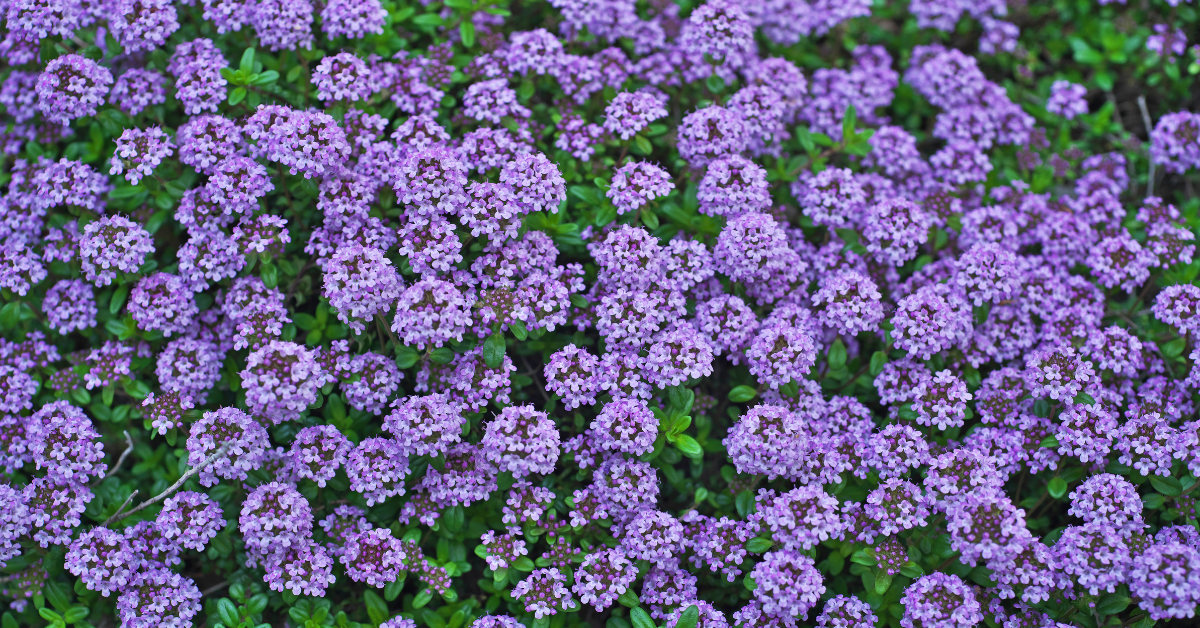
Red creeping thyme seeds produce plants with intense, crimson-colored flowers and a robust, slightly spicy fragrance. They are well-suited for use in culinary dishes and as an ornamental plant.
- Strengths:
- Vibrant red flowers for a striking display
- Intense fragrance ideal for cooking and potpourri
- Adaptable to various soils and climates
- Drawbacks:
- May be more sensitive to extreme temperatures
- Requires regular watering to prevent drying out
Best for: Culinary gardens, ornamental beds, and areas where a vibrant display of color is desired.
White Creeping Thyme Seeds
White creeping thyme seeds yield plants with delicate, white flowers and a light, sweet fragrance. They are often used in herbal teas and as a decorative element in gardens.
- Strengths:
- Delicate, attractive flowers for a subtle display
- Suitable for use in teas and other beverages
- Low maintenance requirements
- Drawbacks:
- Less intense fragrance compared to other varieties
- May be more susceptible to pests
Best for: Herbal gardens, decorative planters, and areas where a subtle, sweet fragrance is preferred.
Pink Chintz Creeping Thyme Seeds
Pink Chintz creeping thyme seeds produce plants with strong, pink flowers and a robust fragrance. They are well-suited for use in cooking and as an ornamental plant in gardens.
- Strengths:
- Vibrant pink flowers for a striking display
- Intense fragrance ideal for cooking and arrangements
- Adaptable to a range of soils and climates
- Drawbacks:
- May be more sensitive to extreme weather conditions
- Requires regular pruning to maintain shape and promote new growth
Best for: Culinary gardens, ornamental beds, and areas where a vibrant display of color and intense fragrance are desired.
Woody Creeping Thyme Seeds
Woody creeping thyme seeds yield plants with a sprawling, woody growth habit and a mild, slightly sweet fragrance. They are often used as a ground cover in larger areas or for erosion control.
- Strengths:
- Effective for erosion control and weed suppression
- Low maintenance requirements
- Attractive, small flowers in early summer
- Drawbacks:
- May become invasive in certain areas
- Less fragrant than other varieties
Best for: Large gardens, slopes, and areas requiring erosion control or weed suppression.
| Option | Best For | Difficulty | Cost | Speed |
|---|---|---|---|---|
| Elfin | Small gardens, pathways | Easy | Low | Fast |
| Red Creeping | Culinary gardens, ornamental beds | Medium | Medium | Medium |
| White Creeping | Herbal gardens, decorative planters | Easy | Low | Fast |
| Pink Chintz | Culinary gardens, ornamental beds | Medium | Medium | Medium |
| Woody | Large gardens, slopes | Easy | Low | Fast |
How to Choose the Right One
Choosing the right creeping thyme seeds involves careful consideration of several key factors, including intended use, climate and soil conditions, maintenance requirements, and personal preference. The intended use of the creeping thyme seeds, whether for culinary purposes, ground cover, or ornamental display, will significantly influence the selection process. Climate and soil conditions also play a crucial role, as different varieties of creeping thyme have varying levels of tolerance to extreme temperatures, humidity, and soil types. Maintenance requirements should also be considered, as some varieties may need more frequent pruning or watering than others. Finally, personal preference regarding fragrance intensity, flower color, and growth habit will guide the final decision.
Data from 2024 suggests that gardeners are increasingly considering the adaptability of creeping thyme seeds to their local conditions, emphasizing the need for detailed research before making a purchase. Industry experts recommend evaluating the specific needs of the garden or culinary project and selecting a variety that aligns with those requirements. By considering these factors and evaluating the characteristics of different creeping thyme seed varieties, gardeners and cooks can make an informed decision that meets their needs and preferences.
The decision-making process also involves evaluating the growth habit of the creeping thyme seeds, as this will impact the overall appearance and maintenance of the garden or culinary project. For example, spreading varieties may be more suitable for ground cover, while upright varieties may be better suited for ornamental beds. Additionally, the fragrance intensity and culinary uses of the creeping thyme seeds should be considered, as these will impact their suitability for cooking and other applications.
The Impact on Consumers
Picking the right creeping thyme seeds can have numerous benefits for consumers, including improved culinary experiences, enhanced gardening success, and increased aesthetic appeal. By selecting a variety that is well-suited to their specific needs and preferences, consumers can enjoy more flavorful dishes, healthier plants, and more beautiful gardens. The right creeping thyme seeds can also provide a sense of accomplishment and satisfaction, as consumers are able to successfully grow and maintain their plants.
Furthermore, the right creeping thyme seeds can offer economic benefits, as they can provide a cost-effective and sustainable way to produce herbs and other plants. This can be particularly beneficial for consumers who are looking to reduce their environmental impact and save money on their gardening and culinary expenses. Additionally, the right creeping thyme seeds can offer health benefits, as they can provide a natural and healthy way to add flavor and nutrition to meals.
The right creeping thyme seeds can also provide social benefits, as they can bring people together and create a sense of community. For example, gardening and cooking with creeping thyme can be a fun and rewarding activity to share with friends and family. By selecting the right creeping thyme seeds, consumers can enjoy a range of benefits that extend beyond the garden or kitchen.
Closing Thoughts
The process of choosing the right creeping thyme seeds requires careful consideration of several key factors, including intended use, climate and soil conditions, maintenance requirements, and personal preference. By evaluating these factors and selecting a variety that aligns with their specific needs and preferences, consumers can enjoy a range of benefits, from improved culinary experiences to increased aesthetic appeal. Ultimately, the right creeping thyme seeds can provide a fulfilling and rewarding experience for gardeners and cooks, and can be a valuable addition to any garden or culinary project.