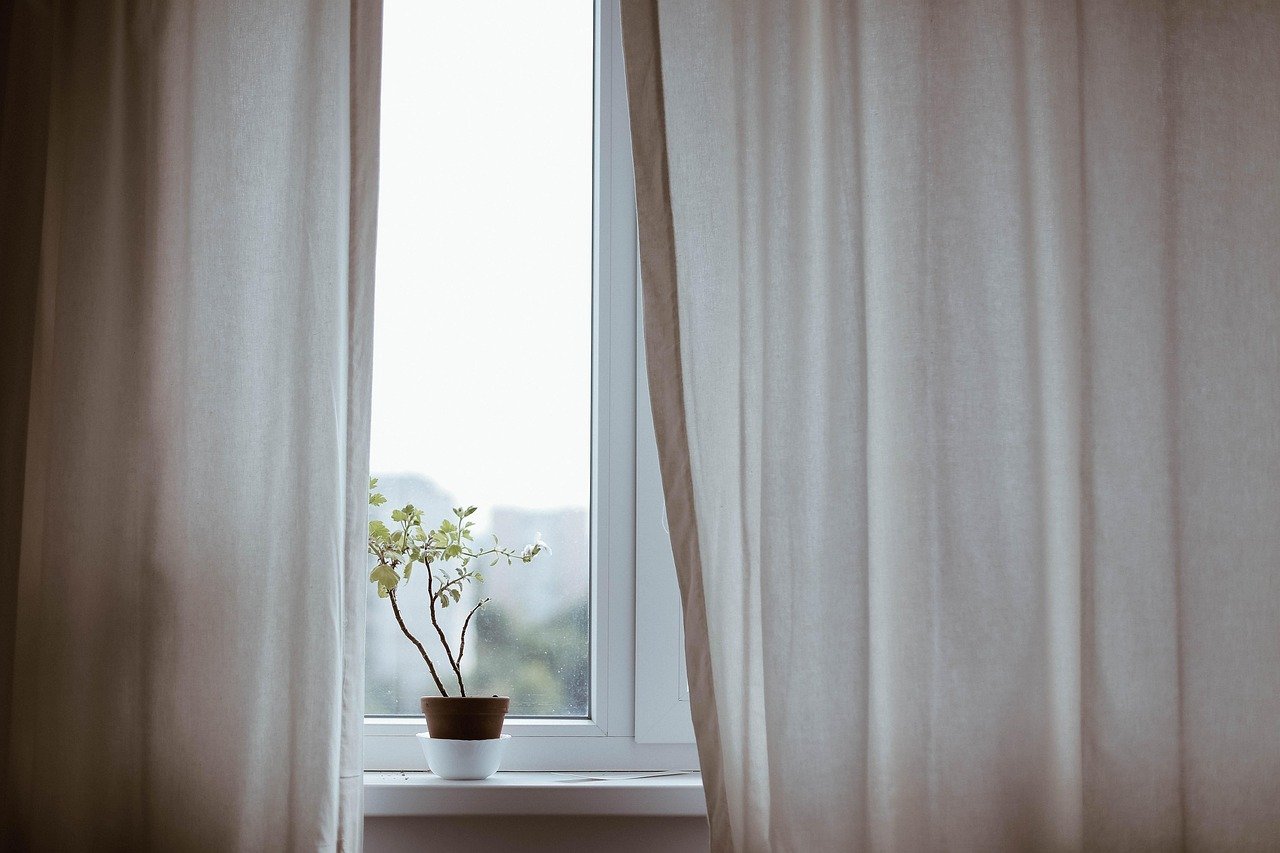
Choosing the right indoor plants can be overwhelming, especially with the numerous options available. Here’s the key thing to understand: selecting the right plants for your home can greatly impact the aesthetic and air quality of your space. Most people miss this: indoor plants are not just decorative; they also provide numerous health benefits. With the right approach, anyone can become a successful indoor gardener. The right plants can purify the air, reduce stress, and enhance the overall ambiance of your home.
📝 Quick Navigation
The Basics of Indoor Plants
Before diving into the world of indoor plants, it’s essential to understand the basics. Indoor plants vary greatly in terms of their needs, growth patterns, and maintenance requirements. Here’s a crucial point: understanding these factors will help you make informed decisions when selecting plants for your home. Plants can be broadly categorized into flowering plants, succulents, and foliage plants, each with its unique characteristics. For instance, flowering plants like orchids and bromeliads are known for their vibrant blooms, while succulents like aloe vera and cacti are renowned for their low-maintenance requirements.
Another critical aspect to consider is the environment in which your plants will thrive. Factors such as lighting, temperature, and humidity play a significant role in determining the health and longevity of your indoor plants. Most people overlook this: even small changes in these environmental factors can significantly impact your plants’ well-being. The following table provides key metrics to evaluate when choosing indoor plants:
| Plant Type | Lighting Requirements | Temperature Range | Humidity Level |
|---|---|---|---|
| Flowering Plants | Bright, indirect light | 65-75°F (18-24°C) | Moderate to high humidity |
| Succulents | Direct sunlight to bright, indirect light | 65-80°F (18-27°C) | Low to moderate humidity |
| Foliage Plants | Low to bright, indirect light | 60-75°F (15-24°C) | Moderate humidity |
Latest Indoor Plant Technologies
Smart Planters
Smart planters are equipped with sensors that monitor the soil moisture, temperature, and light exposure of your plants. This technology allows for real-time monitoring and alerts, ensuring your plants receive the care they need. Here’s what’s crucial: these planters can be controlled remotely through smartphone apps, making them perfect for busy individuals.
- Why It Works:
- Automated watering systems
- Personalized care recommendations
- Integration with smart home systems
- Known Issues:
- Higher cost compared to traditional planters
- Dependence on Wi-Fi connectivity
Best for: Tech-savvy individuals who want to monitor and control their plants’ environment remotely.
Aeroponic Systems
Aeroponic systems use a fine mist to deliver nutrients to the roots of your plants, eliminating the need for soil. This method promotes healthy root growth and increases oxygenation. Most people miss this: aeroponic systems can significantly reduce water consumption and are ideal for plants that thrive in well-oxygenated environments.
- Why It Works:
- Increased oxygenation for healthier roots
- Water conservation
- Improved nutrient uptake
- Known Issues:
- Higher initial investment
- Requires regular maintenance to prevent clogging
Best for: Gardeners who want to maximize their plants’ growth potential while minimizing environmental impact.
LED Grow Lights
LED grow lights are designed to provide the specific spectrum and intensity of light needed for plant growth. They are energy-efficient and can be tailored to the needs of different plant species. Here’s the key thing to understand: LED grow lights can extend the growing season and are ideal for plants that require specific light conditions.
- Why It Works:
- Energy efficiency
- Customizable spectrum for specific plant needs
- Long lifespan
- Known Issues:
- Higher upfront cost
- May produce heat that can damage plants if not properly ventilated
Best for: Indoor gardeners who want to provide their plants with the optimal light conditions for growth and development.
Hydroponic Kits
Hydroponic kits allow for the cultivation of plants in a nutrient-rich solution rather than soil. This method offers precise control over nutrient delivery and can increase plant growth rates. Most people overlook this: hydroponic kits can be more water-efficient than traditional gardening methods and reduce the need for fertilizers and pesticides.
- Why It Works:
- Precise control over nutrient delivery
- Increased water efficiency
- Reduced need for fertilizers and pesticides
- Known Issues:
- Higher initial cost and complexity
- Requires regular monitoring of nutrient levels and pH
Best for: Experienced gardeners looking to optimize their plant growth and minimize environmental impact.
Self-Watering Pots
Self-watering pots have a built-in water reservoir that supplies your plants with water as needed, reducing the frequency of watering. This technology is particularly beneficial for plants that prefer consistent moisture levels. Here’s what’s essential: self-watering pots can help prevent overwatering and ensure your plants receive the right amount of moisture.
- Why It Works:
- Reduced watering frequency
- Prevents overwatering
- Promotes healthy root development
- Known Issues:
- May require more frequent refilling for larger plants
- Can be more expensive than traditional pots
Best for: Busy individuals or those new to indoor gardening who want to ensure their plants receive consistent moisture.
| Option | Best For | Difficulty | Cost | Speed |
|---|---|---|---|---|
| Smart Planters | Tech-savvy individuals | Moderate | High | Fast |
| Aeroponic Systems | Experienced gardeners | High | Very High | Fast |
| LED Grow Lights | Indoor gardeners | Low | Moderate | Fast |
| Hydroponic Kits | Experienced gardeners | High | High | Fast |
| Self-Watering Pots | Busy individuals | Low | Moderate | Medium |
How to Choose the Right One
Choosing the right indoor plants and technologies can be daunting, but by considering a few key factors, you can make an informed decision. Understanding your lifestyle and how much time you can dedicate to plant care is crucial. If you’re frequently away from home, low-maintenance options like succulents or self-watering pots might be ideal. On the other hand, if you’re an experienced gardener looking to optimize plant growth, advanced technologies such as aeroponic systems or hydroponic kits could be more suitable.
Assessing your environment is also vital. Consider the lighting conditions in your home and choose plants or technologies that match these conditions. For example, if your space receives limited natural light, LED grow lights can provide the necessary spectrum and intensity for plant growth. Additionally, consider your budget and the cost of the plants and technologies you’re interested in. While some options may have a higher initial cost, they could offer long-term benefits and savings.
Researching and understanding the specific needs of the plants you’re interested in is another critical step. Different plants have unique requirements for watering, fertilization, pruning, and pest control. By understanding these needs, you can provide your plants with the best possible care and ensure they thrive. Lastly, evaluating the space where your plants will be located is essential. Consider the size of the plants at maturity and ensure they have enough room to grow without becoming too crowded or overwhelming the space.
By carefully considering these factors and matching them with the characteristics of different indoor plants and technologies, you can find the perfect fit for your home and lifestyle. This thoughtful approach will not only ensure the health and longevity of your plants but also enhance your overall indoor gardening experience. Here’s the key thing to understand: the right combination of plants and technology can transform your space and provide numerous benefits for your well-being.
Why This Matters to You
Picking the right indoor plants and technologies can have a significant impact on your life. For one, it can improve the air quality in your home by removing pollutants and toxins, thus contributing to better health and well-being. Indoor plants are also known to reduce stress levels and promote a sense of calm, which can be particularly beneficial in today’s fast-paced world.
Moreover, indoor gardening can be a therapeutic activity that allows you to connect with nature, even when you’re indoors. The process of nurturing plants from seed to maturity can be incredibly fulfilling and provide a sense of accomplishment. Additionally, indoor plants can enhance the aesthetic of your home, adding a touch of natural beauty and warmth to your living space.
Indoor plants and technologies can also boost your mood and energy levels. Studies have shown that being around plants can increase feelings of happiness and reduce symptoms of depression. Furthermore, the mental stimulation provided by learning about and caring for different plant species can be a great way to challenge yourself and stay engaged.
Lastly, incorporating indoor plants into your home can support your overall wellness. By purifying the air, reducing stress, and promoting a sense of calm, indoor plants can contribute to a healthier and more balanced lifestyle. Whether you’re a seasoned gardener or just starting out, the benefits of indoor plants are undeniable, and with the right approach, anyone can enjoy these benefits.
Key Takeaways
The key to successful indoor gardening lies in understanding the basics of indoor plants, exploring the latest technologies, and making informed decisions based on your lifestyle, environment, and budget. By considering these factors and choosing the right plants and technologies, you can create a thriving indoor garden that not only beautifies your space but also contributes to your well-being. Ultimately, the world of indoor plants offers a wealth of opportunities for growth, learning, and enjoyment, making it an rewarding hobby for anyone to pursue.