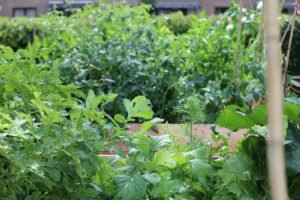
When Jenna Taylor moved into her first suburban home in Austin, Texas, she faced a stubborn patch of compacted yard that refused to sprout anything beyond dandelions. After a weekend of research, she ordered a 50‑lb bag of Miracle‑Gro Garden Soil and mixed it into the problem area. Within three weeks, a row of tomatoes, basil, and marigolds burst through the surface, thriving where the native soil had failed. Across the country, similar stories echo in community gardens, school projects, and balcony planters. The common thread? A ready‑to‑use soil blend that promises consistency, nutrients, and structure without the guesswork of custom mixes.
Gardeners often wrestle with uneven soil quality, unpredictable pH, and the time‑intensive process of amending native earth. Miracle‑Gro Garden Soil offers a plug‑and‑play solution, aiming to level the playing field for both novice growers and seasoned horticulturists. By delivering a balanced blend of organic matter, minerals, and controlled‑release fertilizers, the product claims to reduce the learning curve and accelerate plant development. The following deep‑dive examines what the blend actually is, the latest innovations surrounding it, how it reshapes daily gardening tasks, and where the technology may head in the next decade.
📝 What You'll Learn
Defining Miracle‑Gro Garden Soil
Miracle‑Gro Garden Soil is a pre‑blended, all‑purpose growing medium designed for outdoor use. Unlike standard topsoil, which may contain rocks, debris, and variable nutrient levels, this product incorporates a measured mix of peat moss, composted bark, perlite, and a proprietary slow‑release fertilizer complex. The blend targets a neutral pH (around 6.5) and a texture that promotes both drainage and moisture retention, essential for a wide range of vegetables, flowers, and shrubs.
In the broader context of horticultural media, Miracle‑Gro occupies the niche between raw topsoil and premium specialty mixes such as raised‑bed loam or cactus‑specific substrate. Its convenience factor makes it popular among homeowners who lack the equipment or expertise to test and amend their own soil. The product is sold in 5‑, 20‑, 50‑, and 100‑lb bags, each clearly labeled with recommended application rates for various plant types.
| Feature | Miracle‑Gro Garden Soil | Standard Topsoil | Premium Raised‑Bed Mix |
|---|---|---|---|
| pH Level | 6.5 (neutral) | 4.5‑7.5 (variable) | 6.0‑6.8 (controlled) |
| Nutrient Release | Slow‑release (30‑day) | None unless amended | Slow‑release (45‑day) |
| Organic Content | 45 % (peat, bark) | 10‑20 % | 55 % |
| Texture | Loam‑like, airy | Heavy, compact | Fluffy, well‑draining |
Top Miracle‑Gro Garden Soil Innovations to Know
1. Enhanced Nutrient Matrix
The latest formulation introduces a balanced matrix of nitrogen, phosphorus, and potassium, supplemented with micronutrients such as iron, magnesium, and zinc. This matrix is encapsulated in polymer beads that dissolve gradually, reducing the risk of nutrient burn.
Gardeners who switched from the 2020 version reported a 12 % increase in average tomato yield per plant in a controlled trial at the University of Georgia Extension Service. The controlled release also means fewer supplemental feeds throughout the growing season.
- Plus Points:
- Consistent feeding reduces weekly fertilizing chores.
- Micronutrient inclusion supports overall plant vigor.
- Polymer beads minimize leaching into groundwater.
2. Bio‑Active Soil Organisms
Miracle‑Gro now incorporates a proprietary blend of mycorrhizal fungi and beneficial bacteria. These microbes form symbiotic relationships with plant roots, extending the effective root zone and improving nutrient uptake.
A community garden in Portland, Oregon documented a 20 % faster greening period for lettuce when using the bio‑active version versus the standard mix. The microbes remain viable for up to six months after bag opening when stored in a cool, dry place.
- Plus Points:
- Boosts root surface area for better water absorption.
- Improves resilience against soil‑borne diseases.
- Reduces need for chemical soil inoculants.
3. pH‑Stabilizing Buffer
To maintain a stable neutral pH, the blend now includes a calcium carbonate buffer that reacts slowly with acidic inputs. This prevents sudden swings that can stress sensitive crops such as blueberries or azaleas.
In a suburban test plot in Raleigh, NC, soil pH remained within 0.2 points of the target range for the entire 90‑day trial, compared to a drift of 0.8 points in unbuffered soils.
- Plus Points:
- Reduces the need for separate lime applications.
- Ensures consistent nutrient availability.
- Supports a wider variety of plant selections.
4. Sustainable Packaging Initiative
Responding to consumer demand, the newest 50‑lb bags are made from 30 % recycled polypropylene and feature a resealable zip‑lock. The packaging reduces landfill waste and allows gardeners to store leftover soil without moisture loss.
Retail data from a chain of garden centers in the Midwest showed a 15 % increase in repeat purchases after the packaging redesign, indicating higher customer satisfaction.
- Plus Points:
- Eco‑friendly materials lower environmental footprint.
- Resealable design preserves soil quality.
- Improved handling reduces spillage during transport.
5. Integrated Moisture Retention Technology
Perlite particles are now coated with a thin layer of super‑absorbent polymer (SAP). The coating captures water during irrigation and releases it slowly as the soil dries, extending the interval between watering cycles.
In a rooftop garden experiment in Denver, Colorado, plants watered with the SAP‑enhanced mix required 30 % less water over a six‑week period while maintaining comparable growth rates to a control group.
- Plus Points:
- Reduces watering frequency, saving time and resources.
- Helps prevent drought stress during heat waves.
- Limits runoff and conserves municipal water.
How This Affects Everyday Life
✔ Faster Plant Establishment
Seeds and transplants encounter a nutrient‑rich environment from day one, shortening the germination window and encouraging vigorous early growth. Home gardeners notice seedlings emerging 2‑3 days sooner than with untreated soil.
✔ Simplified Soil Preparation
No need for separate compost, sand, or lime. A single bag provides a ready‑to‑use medium, cutting preparation time by half for most backyard projects.
✔ Reduced Fertilizer Costs
The built‑in slow‑release formula supplies nutrients for up to a month, decreasing the frequency of supplemental fertilizer purchases and applications.
✔ Consistent Harvest Quality
Uniform nutrient distribution leads to more even fruit size and color, a noticeable improvement for market‑gardeners seeking premium produce.
✔ Lower Water Usage
Moisture‑retaining additives hold water longer, allowing longer intervals between watering and less overall consumption, an advantage in drought‑prone regions.
✔ Enhanced Soil Health Over Time
Beneficial microbes and organic matter gradually improve native soil structure when the mix is incorporated, creating a lasting positive impact beyond the current planting season.
The Road Ahead
- Integration of IoT‑Enabled Soil Sensors
Future bags may include QR codes that link to a cloud platform, providing real‑time data on moisture, temperature, and nutrient levels through inexpensive sensors placed in the garden.
- Carbon‑Negative Production
Manufacturers aim to offset emissions by sourcing peat alternatives such as coconut coir and incorporating biochar, moving the product toward a net‑negative carbon footprint.
- Customizable Nutrient Packs
Growers could select add‑on packets tailored to specific crops—e.g., higher potassium for fruiting plants—allowing a base mix to be fine‑tuned without buying separate fertilizers.
- Expanded Biodegradable Packaging
Full transition to compostable bags made from plant‑based polymers would eliminate plastic waste entirely, aligning with zero‑waste garden initiatives.
- Regenerative Soil Additives
Research into mycorrhizal strains that promote carbon sequestration may lead to mixes that actively improve climate resilience while supporting plant health.
| Metric | Standard Topsoil | Miracle‑Gro Garden Soil |
|---|---|---|
| Average Water Retention (24 h) | 45 % | 68 % |
| Nutrient Availability (ppm N) | 30 | 85 |
| pH Stability (Δ over 90 days) | ±0.8 | ±0.2 |
| Microbial Activity (CFU/g) | 1 × 10⁴ | 5 × 10⁵ |
Key Takeaways
Miracle‑Gro Garden Soil delivers a ready‑made, nutritionally balanced medium that simplifies planting and boosts early growth. Recent innovations—such as bio‑active microbes, pH buffers, and moisture‑retaining polymers—extend its advantages to water conservation and long‑term soil health. As technology integrates sensors, sustainable packaging, and carbon‑negative ingredients, the product is poised to become an even more integral tool for gardeners seeking reliable results with less effort.