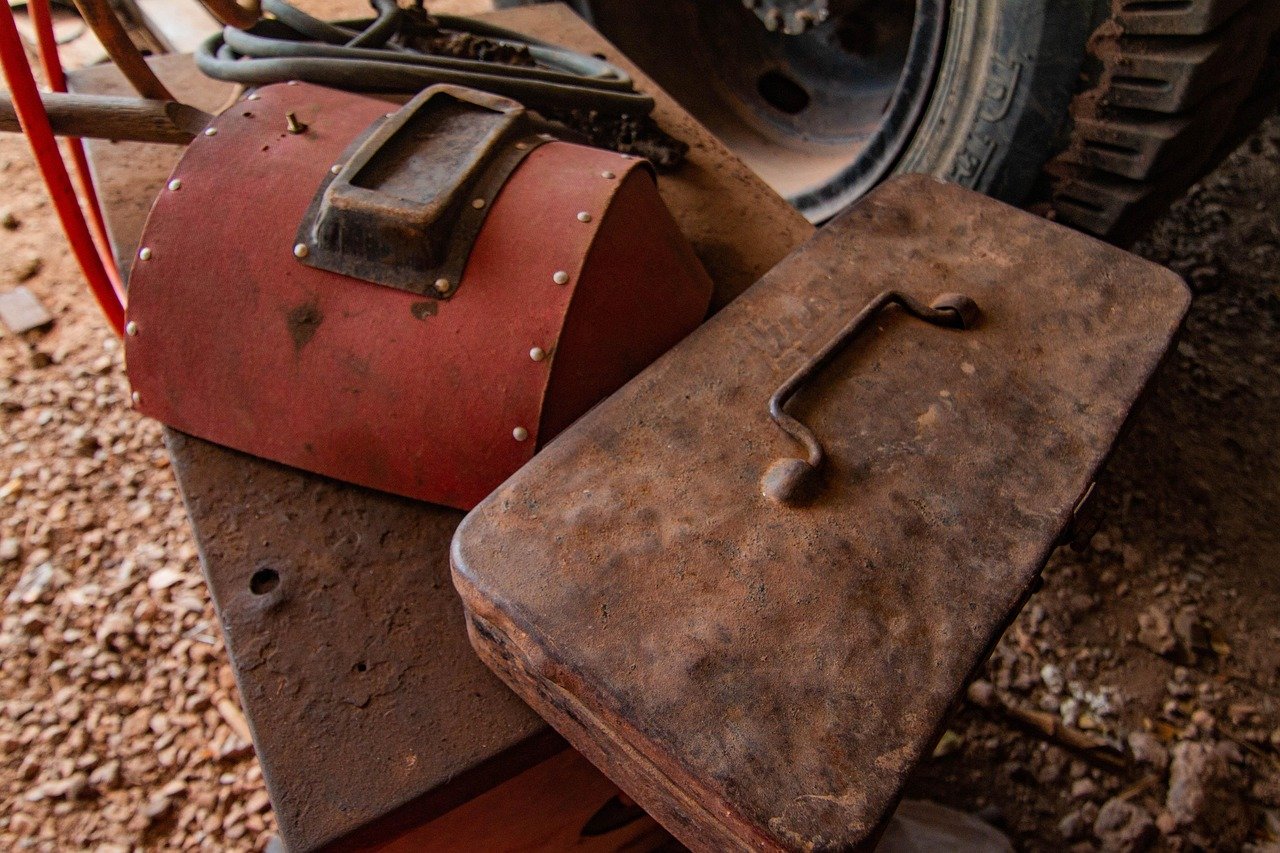
There is a quiet revolution happening in gardens and city rooftops alike: the rise of corten steel planters. From a reclaimed warehouse in Brooklyn to a suburban backyard in Austin, homeowners and designers are swapping traditional clay and plastic for weathered steel that ages like fine wine. The material’s rust‑like patina tells a story of exposure, yet it never corrodes away, making it a low‑maintenance, high‑impact choice. In the next few pages, the reasons behind this shift will be unpacked, practical solutions explored, and a glimpse offered into where this trend is headed.
📝 Table of Contents
Defining Corten Steel Planters
At its core, corten steel—also known as weathering steel—is an alloy that forms a stable, rust‑colored coating when exposed to the elements. Unlike ordinary steel, the rust layer acts as a protective barrier, preventing deeper corrosion. This property makes it ideal for outdoor applications where moisture, temperature swings, and UV exposure are the norm. When fashioned into planters, the material offers a unique blend of industrial toughness and organic aesthetic.
Historically, corten steel was developed in the 1930s for railway cars and bridge construction, prized for its ability to withstand harsh climates without frequent painting. Its migration into the design world began in the early 2000s, when architects like Frank Gehry started specifying the material for sculptural facades. Landscape designers soon followed, recognizing that a planter made from corten could serve both as a functional container and as a visual anchor.
| Aspect | Corten Steel | Traditional Clay | Plastic Resin |
|---|---|---|---|
| Weight | Heavy (30‑40 lb per 12‑inch pot) | Moderate (10‑15 lb) | Light (5‑8 lb) |
| Durability | 30‑50 years with minimal upkeep | 5‑10 years, prone to chipping | 2‑4 years, UV degradation |
| Aesthetic | Rust‑patina, industrial‑organic | Smooth, earthy tones | Glossy, varied colors |
| Environmental Impact | Recyclable, low‑maintenance | Non‑recyclable, high‑energy firing | Petroleum‑based, low recyclability |
Leading Corten Steel Planter Solutions
1. Classic Rectangular Corten Box
Imagine a sleek, 24‑inch by 12‑inch rectangular box placed at the entrance of a boutique hotel in Portland. The rusted surface immediately draws the eye, while the deep soil inside nurtures a cascading fiddle‑leaf fig.
This staple design offers clean lines and a uniform shape that fits neatly against walls or in rows. Fabricated from 10‑gauge steel, it resists dents and can hold up to 30 gal of soil. The open‑top configuration allows for easy planting and maintenance.
- Plus Points:
- Versatile placement—can line pathways or serve as a standalone focal point.
- Easy to customize with cut‑outs for herbs or succulents.
- Patina develops uniformly, ensuring a cohesive look across multiple units.
2. Cylindrical Corten Drum
On a rooftop garden in Miami, a series of 18‑inch diameter drums create a rhythmic pattern against the skyline. Their curved silhouette softens the hard edges of the surrounding concrete.
These drums are formed by rolling steel sheets into cylinders and welding the seam. The depth provides ample room for root expansion, making them perfect for medium‑size shrubs or small trees. Many manufacturers pre‑drill drainage holes and include a removable metal liner for soil containment.
- Plus Points:
- 360‑degree planting surface encourages creative planting arrangements.
- Natural curvature distributes weight evenly, reducing ground pressure.
- Can be stacked or nested for tiered displays.
3. Modular Corten Panel System
At a community park in Seattle, a modular system of interlocking panels forms a living wall of herbs. Each panel measures 12 × 12 inches and snaps together without tools.
The system uses a patented locking mechanism that secures panels while allowing individual units to be swapped out. Panels are pre‑drilled for drainage and come with a shallow trough for water collection, reducing overflow.
- Plus Points:
- Scalable—add or remove panels as the garden evolves.
- Ideal for limited‑space urban environments.
- Uniform patina across panels creates a seamless visual effect.
4. Corten Steel Planter with Integrated Bench
In a suburban cul‑de‑sac in Denver, a combined planter‑bench serves both seating and planting needs. Families gather around the bench while lavender and rosemary perfume the air.
This hybrid piece fuses a 48‑inch bench top with recessed planter cavities on each side. The steel frame is reinforced with internal cross‑bracing, ensuring structural integrity for both weight of occupants and soil. The bench surface is treated with a powder‑coated finish to prevent slip.
- Plus Points:
- Dual functionality maximizes limited yard space.
- Bench height complies with ADA guidelines when needed.
- Patina on the planter portion contrasts with the smoother bench top.
5. Custom‑Fabricated Artistic Corten Sculptures
At an art gallery in Santa Fe, a commissioned corten sculpture doubles as a planter for native desert succulents. The piece twists upward, mimicking a wind‑sculpted dune.
These one‑off creations are hand‑welded by artisans, often incorporating perforations, cut‑outs, or layered metal sheets. Because each piece is unique, the planting depth varies, encouraging designers to select plants that complement the sculpture’s form.
- Plus Points:
- Creates a statement piece that anchors visual interest.
- Tailored to specific site conditions and plant palettes.
- Artistic value can increase property resale appeal.
How This Affects Everyday Life
✔ Low Maintenance
Once the patina forms, the planter requires no repainting or sealing. A simple rinse with a hose removes dust, and the rust layer protects the steel underneath.
✔ Longevity
Unlike plastic that cracks after a few seasons, corten steel endures decades, reducing the need for frequent replacements and saving money over time.
✔ Enhanced Property Value
High‑end homeowners report that the presence of corten steel planters boosts curb appeal, often translating to higher resale prices.
✔ Weather Resilience
Rain, snow, and intense sun do not degrade the material. In fact, the patina deepens in humid climates, adding richer tones.
✔ Eco‑Friendly Choice
The steel is recyclable at the end of its life, and its durability means fewer resources are consumed compared with disposable plastic containers.
✔ Design Flexibility
From minimalist modern patios to rustic farmsteads, the earthy hue of corten blends with diverse design palettes, allowing seamless integration.
Where This Is Headed
- Integration of Smart Drainage Systems
Future planters will incorporate sensor‑controlled valves that release excess water, optimizing irrigation for drought‑prone regions.
- Hybrid Materials Combining Corten with Wood
Designers are experimenting with reclaimed timber inserts that soften the steel’s hardness while maintaining structural integrity.
- Prefabricated Modular Kits for DIY Enthusiasts
Companies will offer snap‑together kits that let homeowners assemble custom‑sized planters without welding equipment.
- Expanded Color Treatments Through Controlled Patination
Advanced chemical processes will allow the rust finish to be tinted—deep copper, mahogany, or even blue—while preserving corrosion resistance.
- Urban Farming Applications on Rooftop Terraces
Corten planters will become the backbone of city‑scale vertical farms, supporting heavier hydroponic loads and withstanding wind uplift.
| Region | Average Patina Development (years) | Preferred Planter Type | Typical Plant Selections |
|---|---|---|---|
| Pacific Northwest | 2‑3 | Rectangular Box | Ferns, hostas, Japanese maple saplings |
| Southwest | 4‑5 | Cylindrical Drum | Agave, yucca, desert lavender |
| Mid‑Atlantic | 3‑4 | Modular Panel | Herbs, small annuals, ornamental grasses |
| Mountain West | 5‑6 | Bench‑Integrated | Lavender, rosemary, dwarf conifers |
To Sum Up
Corten steel planters merge industrial resilience with natural beauty, offering a long‑lasting, low‑maintenance option for diverse landscapes. Their ability to evolve visually while supporting a wide range of plant life makes them a smart investment for both private gardens and commercial projects. As technology and design continue to intersect, these planters will likely become even more adaptable, reinforcing their role as a staple of modern outdoor design.