Choosing the right fencing material is crucial for both the aesthetic appeal and the security of a property. Despite its growing popularity, bamboo fencing is often overlooked due to several misconceptions about its durability, cost, and environmental impact. However, understanding the truth behind these myths can reveal bamboo as a highly viable and beneficial option for fencing needs. The right approach to selecting fencing material matters significantly, as it affects not only the immediate appearance of the property but also its long-term maintenance and environmental footprint. With the increasing awareness of sustainable living, the demand for eco-friendly fencing solutions has risen, making it essential to reevaluate the potential of bamboo fencing. The decision to install bamboo fencing can have lasting effects on both the property and the environment. Given the plethora of options available, it is imperative to debunk common myths and understand the facts about bamboo fencing to make an informed decision.
📝 What You'll Learn
The Basics of Bamboo Fencing
Bamboo fencing is made from bamboo, a highly renewable and sustainable resource. It is known for its lightweight, yet durable nature, making it an attractive option for those looking for an eco-friendly fencing solution. Before comparing different types of bamboo fencing, it’s essential to understand the key metrics that evaluate their quality and suitability. These metrics include durability, cost, sustainability, and aesthetic appeal. Understanding these basics is crucial for making a well-informed decision about the type of bamboo fencing that best suits specific needs.
The process of selecting the right bamboo fencing involves considering several factors, including the type of bamboo used, the construction method, and the intended use of the fence. Bamboo is categorized into different species, each with its unique characteristics, such as strength, color, and growth rate. The construction method, whether it’s rolled bamboo, bamboo panels, or live bamboo, also significantly affects the fence’s appearance and durability. Evaluating these factors alongside the intended use of the fence, whether for privacy, decoration, or security, helps in narrowing down the options to the most suitable type of bamboo fencing.
| Type of Bamboo | Durability | Cost | Sustainability |
|---|---|---|---|
| Mosso Bamboo | High | Medium | High |
| Guadua Bamboo | Very High | High | High |
| Bambusa Bamboo | Medium | Low | Medium |
| Dendrocalamus Bamboo | High | Medium | High |
Core Bamboo Fencing Approaches
Rolled Bamboo Fencing
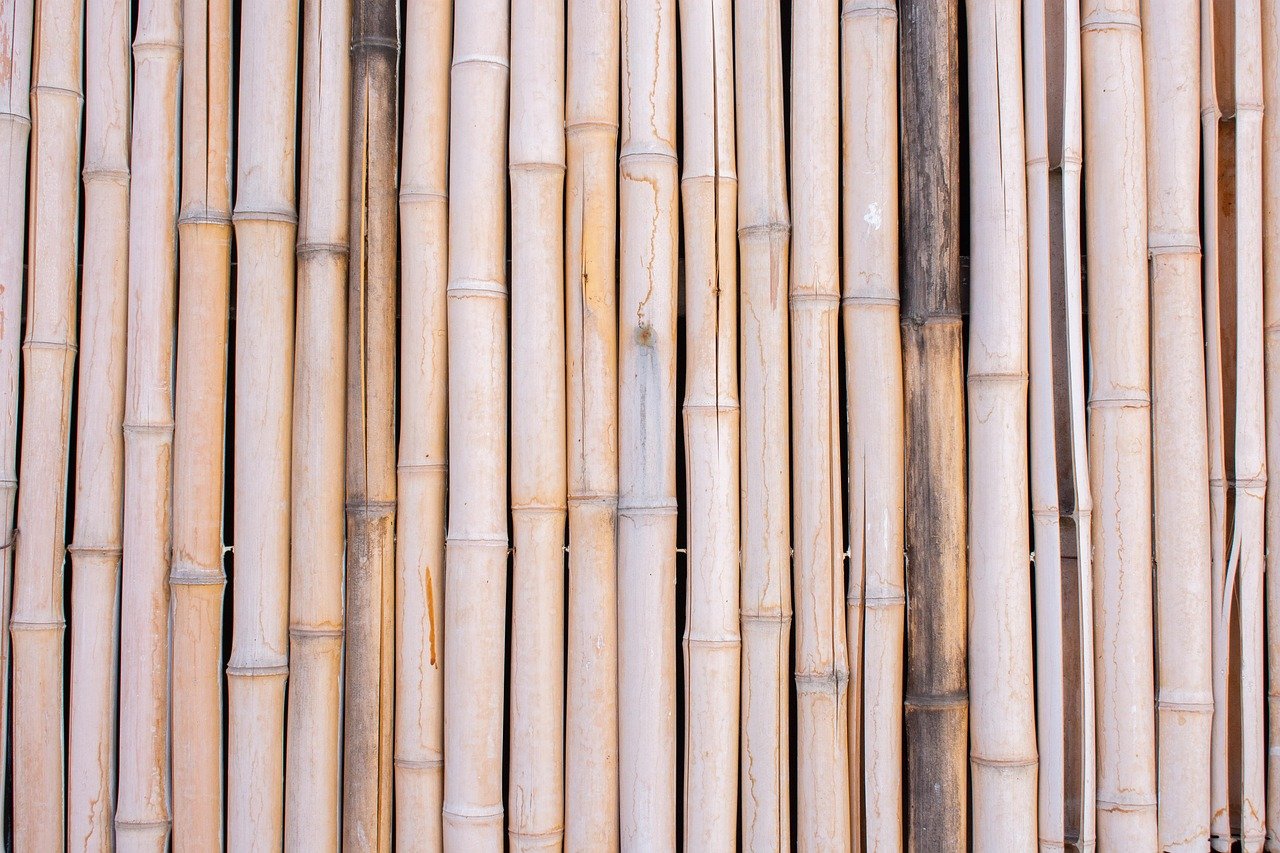
Rolled bamboo fencing is one of the most common types of bamboo fencing. It is made by rolling bamboo stems together and is often used for decorative purposes. This type of fencing is lightweight, easy to install, and provides a natural, rustic look to any outdoor space.
- Key Benefits:
- Easy to install
- Lightweight
- Natural, rustic appearance
- Known Issues:
- Less durable compared to other types
- May require additional support
Rolled bamboo fencing is best for decorative purposes or for creating a temporary fence.
Bamboo Panel Fencing
Bamboo panel fencing is made from pre-fabricated bamboo panels. It is more durable and provides better privacy compared to rolled bamboo fencing. This type of fencing is ideal for those looking for a more structured and secure bamboo fence.
- Key Benefits:
- More durable than rolled bamboo
- Provides better privacy
- Easier to customize
- Known Issues:
- More expensive than rolled bamboo
- Heavier and more difficult to install
Bamboo panel fencing is best for those who need a durable and private fence.
Live Bamboo Fencing
Live bamboo fencing involves planting live bamboo plants directly into the ground. It is the most sustainable option as it continues to grow and provides a natural barrier. However, it requires regular maintenance to prevent overgrowth and invasion.
- Key Benefits:
- Most sustainable option
- Provides a natural, evolving appearance
- Can act as a natural privacy screen
- Known Issues:
- Requires regular maintenance
- Can be invasive if not properly managed
Live bamboo fencing is best for those who are committed to regular maintenance and want a highly sustainable option.
Bamboo Screen Fencing
Bamboo screen fencing is a versatile option that can be used to create privacy screens, room dividers, or even outdoor decorative elements. It is lightweight, easy to install, and can be customized to fit various decor styles.
- Key Benefits:
- Highly versatile
- Easy to install and customize
- Can be used indoors or outdoors
- Known Issues:
- May not provide complete privacy
- Less durable than solid bamboo panels
Bamboo screen fencing is best for decorative purposes or for creating versatile privacy screens.
Composite Bamboo Fencing
Composite bamboo fencing combines bamboo with other materials, such as plastic or wood, to create a durable and low-maintenance fence. It offers the aesthetic benefits of bamboo while minimizing its natural drawbacks.
- Key Benefits:
- Durable and resistant to weathering
- Low maintenance
- Combines the aesthetic of bamboo with the durability of composite materials
- Known Issues:
- More expensive than traditional bamboo fencing
- May contain non-renewable materials
Composite bamboo fencing is best for those who want the look of bamboo without the high maintenance.
| Option | Best For | Difficulty | Cost | Speed |
|---|---|---|---|---|
| Rolled Bamboo | Decorative | Easy | Low | Fast |
| Bamboo Panel | Privacy and Security | Medium | Medium | Medium |
| Live Bamboo | Sustainability | High | Low | Slow |
| Bamboo Screen | Decorative Screens | Easy | Low | Fast |
| Composite Bamboo | Durability and Low Maintenance | Medium | High | Medium |
How to Choose the Right One
Choosing the right bamboo fencing involves considering several key factors, including purpose, budget, maintenance willingness, and desired appearance. The purpose of the fence, whether for privacy, security, or decoration, will significantly influence the choice of bamboo fencing type. Budget is another critical factor, as different types of bamboo fencing vary widely in cost. Additionally, the willingness and ability to perform regular maintenance should be considered, as some types of bamboo fencing require more upkeep than others. Finally, the desired appearance, whether natural, modern, or traditional, will also play a role in selecting the most appropriate bamboo fencing option.
The decision-making process should start with evaluating the specific needs and preferences for the fence. This includes assessing the area where the fence will be installed, considering the local climate and potential weather conditions, and determining the required level of privacy and security. Once these factors are considered, the next step is to research and compare different types of bamboo fencing, looking at their durability, cost, and aesthetic appeal. It is also beneficial to consult with professionals or read reviews from other customers to gain a more comprehensive understanding of the pros and cons of each option.
Another crucial aspect of choosing the right bamboo fencing is understanding the local regulations and homeowners’ association rules, if applicable. Some areas may have specific guidelines or restrictions on the types of fencing materials that can be used, and it is essential to comply with these regulations to avoid any potential issues. Furthermore, considering the environmental impact of the chosen bamboo fencing type is vital, as sustainability is one of the primary advantages of using bamboo. By carefully evaluating these factors and doing thorough research, individuals can make an informed decision that meets their needs and preferences while also contributing to a more sustainable future.
In addition to these factors, the installation process should also be considered. While some types of bamboo fencing are designed for DIY installation, others may require professional assistance. The cost and complexity of installation can vary significantly, and it is crucial to factor these costs into the overall budget for the project. Moreover, the potential for customization should be evaluated, as some types of bamboo fencing offer more flexibility in terms of design and appearance than others. By taking a holistic approach to the decision-making process, individuals can ensure that they select the most appropriate type of bamboo fencing for their specific situation.
The Impact on Consumers
Picking the right bamboo fencing can have a significant impact on consumers, starting with the environmental benefits. Bamboo is a highly renewable resource that requires less water and pesticides compared to traditional wood. This makes bamboo fencing an attractive option for those looking to reduce their environmental footprint. Additionally, the use of bamboo fencing can contribute to a more sustainable future by promoting the use of renewable resources and reducing the demand for less sustainable materials.
Another benefit of choosing the right bamboo fencing is the potential for cost savings. While the initial cost of bamboo fencing might be higher than some traditional fencing materials, its durability and low maintenance requirements can lead to significant cost savings over time. Bamboo fencing is resistant to pests and weathering, which means it requires less frequent replacement and repair, thereby reducing long-term costs. Furthermore, the natural resistance of bamboo to insects and rot eliminates the need for chemical treatments, which can be harmful to the environment and human health.
Bamboo fencing also offers aesthetic benefits, providing a unique and natural look that can enhance the appearance of any outdoor space. The versatility of bamboo allows it to be used in a variety of settings, from modern to traditional, and its natural beauty can add value to a property. Moreover, bamboo fencing can be customized to fit various decor styles, making it an excellent choice for those looking to create a personalized outdoor space.
The use of bamboo fencing can also contribute to increased property value. A well-maintained bamboo fence can be a selling point for potential buyers, as it adds a unique feature to the property and demonstrates a commitment to sustainability. Additionally, the durability and low maintenance requirements of bamboo fencing make it an attractive feature for homeowners who value convenience and practicality.
Bamboo fencing can also provide enhanced privacy and security, which is a critical consideration for many homeowners. Depending on the type and construction of the bamboo fence, it can offer a high level of privacy, shielding the property from view and creating a sense of seclusion. Moreover, the durability of bamboo makes it an effective barrier against potential intruders, providing an added layer of security for the property and its occupants.
Furthermore, the right bamboo fencing can contribute to reduced noise pollution. A solid bamboo fence can act as a natural sound barrier, reducing the amount of external noise that enters the property. This can be particularly beneficial for properties located near busy roads or in urban areas, where noise pollution can be a significant issue. By reducing noise pollution, bamboo fencing can help create a more peaceful and serene outdoor environment.
Worth Remembering
The decision to install bamboo fencing should be based on a thorough evaluation of the specific needs and preferences for the fence, including purpose, budget, maintenance willingness, and desired appearance. By considering these factors and doing thorough research, individuals can make an informed decision that meets their needs while also contributing to a more sustainable future. Ultimately, the right bamboo fencing can offer a unique combination of durability, sustainability, and aesthetic appeal, making it a valuable addition to any property.