
For many, the idea of indoor plant pots conjures images of lush greenery effortlessly thriving in stylish containers, but the reality often falls short. Plants wither, pots collect dust, and what was meant to be a serene oasis turns into a neglected corner. This disparity between the ideal and the actual state of indoor plant pots stems from common misconceptions about their care and placement. Overlooking the basics can lead to frustration and disappointment. Considering the array of benefits indoor plants offer, from air purification to aesthetic enhancement, understanding and addressing these challenges is crucial.
📝 What You'll Learn
Common Challenges With The Basics of indoor plant pots (quick wins)
Incorrect Pot Size
The size of the pot is a critical factor often overlooked. A pot that is too small can constrict the roots of the plant, hindering its growth, while a pot that is too large can cause the soil to become too wet, leading to root rot. Understanding the mature size of the plant and choosing a pot that accommodates this growth is essential. For instance, plants like peace lilies and dracaenas can thrive in smaller pots due to their slow growth rate, but faster-growing plants like ferns and English ivy require more space. The reason behind this challenge is the lack of research on the plant’s specific needs before potting.
Drainage Issues
Proper drainage is vital to prevent waterlogged soil, a common mistake that can lead to root rot and kill the plant. Many indoor plant pots lack adequate drainage holes, and even when present, the holes can become clogged over time. This issue arises from the use of pots without holes or the failure to add a layer of small rocks or broken pottery at the bottom of the pot to facilitate drainage. Ensuring that the pot has enough drainage holes and that the soil mix allows for good water penetration is key.
Inadequate Lighting
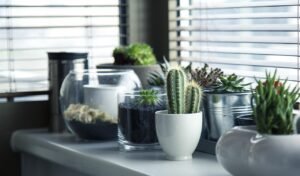
Lighting is another critical aspect of indoor plant care that is often misunderstood. Different plants have different lighting requirements, ranging from low to direct sunlight. Placing plants in areas with insufficient light can lead to weak and leggy growth. For example, plants like Chinese Evergreen and Pothos can tolerate low light conditions, making them ideal for rooms with limited natural light, while plants like succulents and cacti require bright, direct light to thrive. The challenge arises from not matching the plant’s lighting needs with the available light in the home or office.
Over-watering
Over-watering is a prevalent issue with indoor plants, often resulting from a misconception that plants need constant moisture. However, most plants prefer the soil to dry out slightly between waterings. Checking the soil moisture by sticking a finger into the soil up to the first knuckle can help determine if the soil is dry enough to water again. This challenge occurs due to a lack of understanding of the plant’s water requirements and the soil’s moisture retention capabilities.
Poor Soil Quality
The quality of the potting soil can significantly impact the health of indoor plants. Using garden soil from the outdoors can compact and prevent proper drainage, while a high-quality potting mix designed for indoor plants can provide the necessary aeration and moisture retention. The reason behind poor soil choice is often the misconception that any soil will do, leading to the use of inappropriate soil types that can hinder plant growth.
Major Indoor Plant Pot Developments
1. Self-Watering Pots
Self-watering pots have become a solution for busy individuals or those prone to over-watering. These pots have a built-in water reservoir that supplies the plant with moisture as needed, reducing the frequency of watering. Implementing self-watering pots involves selecting a pot appropriate for the plant size and type, filling the reservoir, and monitoring the plant’s response to adjust watering frequency. The benefits of self-watering pots include reduced maintenance, prevention of over-watering, and healthier plant growth.
- Key Benefits:
- Reduced Maintenance
- Prevention of Over-watering
- Healthier Plant Growth
2. Smart Planters
Smart planters integrate technology to monitor and adjust the plant’s environment. These planters can track soil moisture, light, and temperature, sending notifications when the plant needs care. To implement smart planters, one needs to choose a planter compatible with their smartphone, follow the setup instructions, and place the planter in an area with stable internet connectivity. The benefits include precise care, increased plant survival rates, and the ability to learn about optimal plant care through the accompanying app.
- Key Benefits:
- Precise Care
- Increased Plant Survival Rates
- Education on Optimal Plant Care
3. Indoor Hydroponics
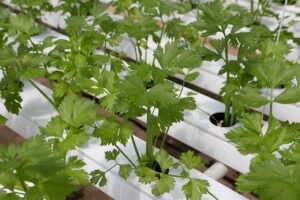
Hydroponics offers a soilless cultivation method, providing plants with essential nutrients through a nutrient-rich solution rather than soil. Setting up an indoor hydroponic system involves selecting a suitable system for the space and plant type, preparing the nutrient solution according to the manufacturer’s instructions, and closely monitoring the system’s performance. The advantages of hydroponics include faster growth rates, higher yields, and water conservation.
- Key Benefits:
- Faster Growth Rates
- Higher Yields
- Water Conservation
4. Vertical Gardening
Vertical gardening maximizes space by growing plants upwards using wall-mounted systems or trellises. Implementing vertical gardening involves choosing a suitable wall or trellis system, selecting plants with climbing or trailing habits, and ensuring adequate light and watering. The benefits of vertical gardening include space efficiency, improved air quality, and aesthetic appeal.
- Key Benefits:
- Space Efficiency
- Improved Air Quality
- Aesthetic Appeal
5. Natural and Recycled Materials
The use of natural and recycled materials for plant pots is gaining popularity due to environmental concerns. Materials like terracotta, wood, and recycled plastic offer eco-friendly alternatives to traditional pots. To implement this, one can explore local nurseries or online stores for these materials, ensuring they are suitable for the intended plant and offer the necessary drainage and aeration. The benefits include sustainability, unique aesthetic appeal, and support for environmentally responsible practices.
- Key Benefits:
- Sustainability
- Unique Aesthetic Appeal
- Support for Environmentally Responsible Practices
6. Automated Greenhouses
For a more extensive and technological approach, automated greenhouses can provide a controlled environment for plants to thrive. These systems can regulate temperature, humidity, and light, optimizing conditions for plant growth. Implementing an automated greenhouse involves significant investment in the technology and infrastructure, careful planning of the greenhouse layout, and ongoing monitoring of the system’s performance. The benefits include optimal growing conditions, increased crop yields, and the ability to grow a wide variety of plants year-round.
- Key Benefits:
- Optimal Growing Conditions
- Increased Crop Yields
- Year-Round Plant Growth
| Approach | Old Way | Better Way | Result |
|---|---|---|---|
| Pot Selection | Choosing pots based on aesthetics alone | Selecting pots that match the plant’s growth size and drainage needs | Healthier plant growth and reduced maintenance |
| Watering | Watering on a fixed schedule without checking soil moisture | Watering based on soil moisture levels | Prevention of over-watering and under-watering |
| Lighting | Placing plants in any available light without considering their needs | Matching plants with appropriate light conditions | Optimized plant growth and health |
| Soil Quality | Using any available soil without considering its quality | Using high-quality potting mix designed for indoor plants | Improved drainage, aeration, and nutrient availability |
| Technology Integration | Not utilizing technology for plant care | Using smart planters and automated systems for precise care | Increased efficiency, healthier plants, and reduced labor |
Practical Takeaways
In New York City, a small office implemented self-watering pots for their indoor plants, resulting in a significant reduction in plant maintenance and an increase in employee satisfaction with the office environment. This example illustrates the positive impact of choosing the right plant pots on both plant health and human well-being.
A homeowner in California successfully used natural and recycled materials for her plant pots, not only reducing her environmental footprint but also adding a unique touch to her home decor. This case highlights the aesthetic and ecological benefits of eco-friendly potting choices.
A school in London incorporated vertical gardening into their curriculum, teaching students about sustainable gardening practices and the importance of green spaces in urban areas. This initiative demonstrates how indoor plant pots can serve as an educational tool and promote environmental awareness.
In a Tokyo apartment, a resident utilized automated greenhouses to grow a variety of plants year-round, despite the limited space and harsh outdoor conditions. This example showcases the potential of advanced technologies in indoor gardening to overcome traditional limitations.
A community center in Australia started a workshop series on indoor plant care, focusing on the basics of pot selection, watering, and lighting. The workshops not only helped participants improve their plant care skills but also fostered a sense of community among the attendees. This illustrates the social benefits of sharing knowledge and experiences related to indoor plant pots.
Step-by-Step Action Plan
- Assess your space and lighting conditions to determine the most suitable plants for your area, as this will help in choosing the right pot and care strategy. Understanding your space is crucial for successful indoor gardening.
- Research different types of indoor plant pots, considering factors like material, size, and drainage capabilities, to find the best fit for your plants and maintenance schedule. The right pot can significantly impact plant health and your gardening experience.
- Prepare your plants for potting by gently removing them from their current containers and inspecting their roots for any signs of damage or disease. This step is essential for ensuring the health and viability of your plants in their new pots.
- Choose a high-quality potting mix that is designed for indoor plants and follows the specific needs of your plants, such as moisture retention and drainage. The quality of the potting mix directly affects plant growth and health.
- Consider integrating technology, such as smart planters or automated watering systems, to streamline your plant care routine and ensure your plants receive the care they need. Technology can be a valuable tool in maintaining healthy and thriving indoor plants.
- Monitor your plants closely after repotting and adjust their care as necessary, keeping in mind that different plants have unique requirements for water, light, and nutrients. Ongoing observation and adaptation are key to successful indoor gardening.
- Join a local gardening community or online forum to share your experiences, learn from others, and stay updated on the latest trends and best practices in indoor plant care. Sharing knowledge and experiences can enhance your gardening skills and enjoyment.
Key Takeaways
The world of indoor plant pots is vast and offers numerous solutions for common challenges, from self-watering pots and smart planters to natural materials and automated greenhouses. By understanding the specific needs of your plants and selecting the right pots and care strategies, you can overcome hurdles and enjoy the many benefits of indoor gardening. As indoor gardening continues to evolve with technology and sustainability in mind, the future looks promising for those looking to bring more green into their lives. With the right approach, anyone can succeed in creating a thriving and beautiful indoor garden, reaping the rewards of improved air quality, aesthetic appeal, and personal satisfaction.







1 thought on “Boosting Indoor Spaces with Plant Pots”