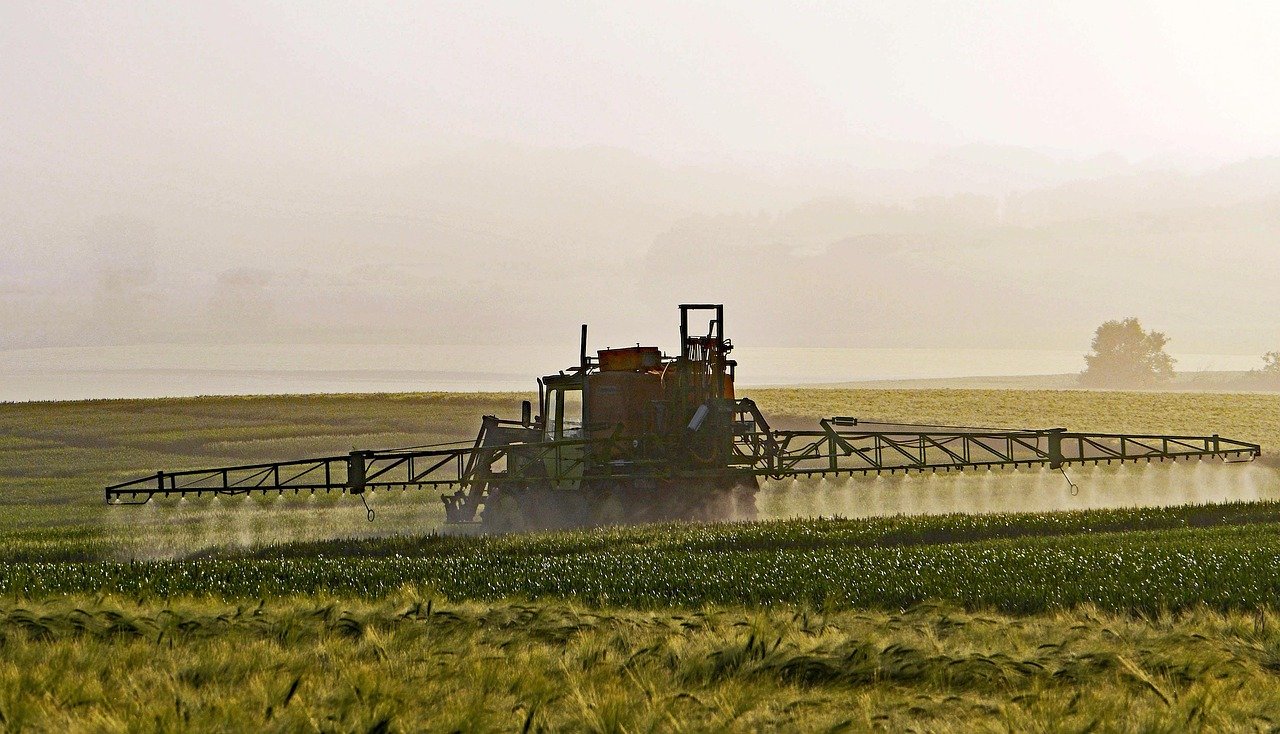
When it comes to maintaining a beautiful and healthy garden, one of the most significant challenges many people face is dealing with weeds – unwanted plants (or wild plants) that can compete with desired plants for water, nutrients, and light. Most people get wrong about weed killers is thinking that all products are the same, or that they can be used without caution – which can lead to damaging the environment, or even the plants they are trying to protect. Another misconception is that weed killers are only for large gardens or lawns, when in fact, they can be just as useful for small gardens or even indoor plants. Additionally, many people believe that weed killers are only chemical-based, when in fact, there are many natural and organic options available. Understanding the different types of weed killers and how to use them effectively is crucial for achieving the best results. With so many options on the market, it can be overwhelming to know where to start. Fortunately, with a little knowledge and the right tools, anyone can learn to control weeds and keep their garden looking its best.
📝 Table of Contents
Breaking Down Weed Killers
Weed killers, also known as herbicides (chemicals that kill plants), are substances – natural or synthetic (man-made) – designed to eliminate unwanted plants from a particular area. They work by targeting specific parts of the plant, such as the leaves, roots, or seeds, and can be applied in a variety of ways, including sprays, granules, or powders. There are several types of weed killers, including selective herbicides (which target specific types of plants) and non-selective herbicides (which kill all plants in the treated area). When choosing a weed killer, it’s essential to consider the type of weeds being targeted, as well as the type of plants being protected. This is because some weed killers can damage or even kill desirable plants, so it’s crucial to choose a product that is safe for use around the specific plants in your garden.
To make the right choice, it’s helpful to understand the different modes of action – how the weed killer actually kills the weeds. Some weed killers work by disrupting photosynthesis (the process by which plants make food from sunlight), while others interfere with cell growth or nutrient uptake. Understanding these modes of action can help you choose the most effective weed killer for your specific needs. The following comparison table highlights some of the key differences between various types of weed killers:
| Type of Weed Killer | Mode of Action | Target Weeds | Safety Precautions |
|---|---|---|---|
| Selective Herbicides | Disrupt photosynthesis | Broadleaf weeds | Avoid spraying on desirable plants |
| Non-Selective Herbicides | Interfere with cell growth | All weeds and plants | Wear protective clothing and eyewear |
| Natural Herbicides | Dehydrate the plant | Annual weeds | May require repeated applications |
| Pre-Emergent Herbicides | Prevent seed germination | Grassy weeds | Apply before weeds emerge |
Once you have chosen the right type of weed killer for your needs, it’s essential to follow the instructions carefully to ensure safe and effective use. This includes wearing protective clothing and eyewear, as well as avoiding spraying on desirable plants or in windy conditions.
Latest Weed Killer Technologies
1. Organic Weed Killers
Organic weed killers are a popular choice for those looking for a more natural and environmentally friendly option. These products use natural ingredients, such as vinegar or essential oils, to control weeds. Organic weed killers are a good option for small gardens or for those who want to avoid using synthetic chemicals. They work by dehydrating the plant, causing it to wither and die. While they may require repeated applications, they are a safer choice for use around pets and children.
One of the benefits of organic weed killers is that they are biodegradable, meaning they break down quickly in the environment and do not leave behind any toxic residues. However, they may not be as effective as synthetic weed killers and can require more frequent applications. When using organic weed killers, it’s essential to follow the instructions carefully and take necessary safety precautions to avoid skin and eye irritation.
- Environmentally friendly – they do not harm the environment or wildlife
- Natural ingredients – they are made from natural ingredients that are safe for use around pets and children
- Biodegradable – they break down quickly in the environment and do not leave behind any toxic residues
Plus Points:
2. Selective Herbicides
Selective herbicides are designed to target specific types of weeds, leaving desirable plants unharmed. These products are a good option for large gardens or lawns, where weeds can be a significant problem. Selective herbicides work by disrupting photosynthesis, causing the weed to die. They are available in a range of formulations, including sprays and granules, and can be applied using a variety of methods, including broadcast sprayers or spot treatments.
One of the benefits of selective herbicides is that they are highly effective, providing long-lasting control over weeds. However, they can be more expensive than non-selective herbicides and may require repeated applications to achieve desired results. When using selective herbicides, it’s essential to follow the instructions carefully and take necessary safety precautions to avoid damaging desirable plants.
- Highly effective – they provide long-lasting control over weeds
- Targeted action – they target specific types of weeds, leaving desirable plants unharmed
- Convenient application – they can be applied using a variety of methods, including broadcast sprayers or spot treatments
Plus Points:
3. Non-Selective Herbicides
Non-selective herbicides are designed to kill all plants in the treated area, making them a good option for areas where weeds are a significant problem. These products work by interfering with cell growth, causing the plant to die. Non-selective herbicides are available in a range of formulations, including sprays and granules, and can be applied using a variety of methods, including broadcast sprayers or spot treatments.
One of the benefits of non-selective herbicides is that they are highly effective, providing quick and easy control over weeds. However, they can be hazardous to desirable plants, so it’s essential to take necessary safety precautions to avoid damaging them. When using non-selective herbicides, it’s also important to follow the instructions carefully and avoid spraying in windy conditions to prevent drift onto desirable plants.
- Highly effective – they provide quick and easy control over weeds
- Easy to use – they can be applied using a variety of methods, including broadcast sprayers or spot treatments
- Cost-effective – they can be less expensive than selective herbicides
Plus Points:
4. Pre-Emergent Herbicides
Pre-emergent herbicides are designed to prevent weeds from germinating in the first place. These products work by creating a barrier on the soil surface that prevents weed seeds from growing. Pre-emergent herbicides are a good option for areas where weeds are a significant problem, as they can help to prevent weeds from emerging in the first place.
One of the benefits of pre-emergent herbicides is that they are highly effective, providing long-lasting control over weeds. However, they can be more expensive than other types of herbicides and may require repeated applications to achieve desired results. When using pre-emergent herbicides, it’s essential to follow the instructions carefully and apply them at the right time to ensure optimal results.
- Highly effective – they provide long-lasting control over weeds
- Preventive action – they prevent weeds from germinating in the first place
- Easy to use – they can be applied using a variety of methods, including broadcast sprayers or spot treatments
Plus Points:
5. Chemical-Free Weed Killers
Chemical-free weed killers are a popular choice for those looking for a more natural and environmentally friendly option. These products use physical methods, such as heat or flames, to control weeds. Chemical-free weed killers are a good option for small gardens or for those who want to avoid using synthetic chemicals. They work by dehydrating the plant, causing it to wither and die.
One of the benefits of chemical-free weed killers is that they are environmentally friendly, causing no harm to the environment or wildlife. However, they may not be as effective as synthetic weed killers and can require more frequent applications. When using chemical-free weed killers, it’s essential to follow the instructions carefully and take necessary safety precautions to avoid skin and eye irritation.
- Environmentally friendly – they do not harm the environment or wildlife
- Natural methods – they use physical methods, such as heat or flames, to control weeds
- Biodegradable – they break down quickly in the environment and do not leave behind any toxic residues
Plus Points:
Real-World Benefits
✔ Effective Weed Control
Weed killers can provide effective control over weeds, helping to prevent them from competing with desirable plants for water, nutrients, and light. This can lead to a healthier and more vibrant garden, with fewer weeds to worry about. By using the right type of weed killer for your specific needs, you can achieve long-lasting control over weeds and enjoy a more beautiful and low-maintenance garden.
✔ Increased Crop Yields
Weed killers can help to increase crop yields by reducing competition from weeds. This can lead to a more productive garden, with higher yields and better quality crops. By using weed killers, you can help to ensure that your desirable plants receive the water, nutrients, and light they need to thrive.
✔ Reduced Maintenance
Weed killers can help to reduce maintenance in the garden, as they can provide long-lasting control over weeds. This can save time and effort, as you won’t need to spend as much time weeding or pruning. By using weed killers, you can enjoy a more low-maintenance garden, with fewer weeds to worry about.
✔ Improved Garden Appearance
Weed killers can help to improve the appearance of the garden, by reducing the number of weeds and promoting healthy growth. This can lead to a more beautiful and vibrant garden, with a variety of plants and flowers. By using weed killers, you can help to create a garden that is both functional and aesthetically pleasing.
✔ Cost Savings
Weed killers can help to save money, by reducing the need for manual weeding or other forms of weed control. This can lead to cost savings, as you won’t need to spend as much on labor or equipment. By using weed killers, you can help to reduce your gardening expenses and enjoy a more budget-friendly garden.
✔ Environmental Benefits
Weed killers can have environmental benefits, by reducing the need for manual weeding or other forms of weed control. This can lead to a reduction in greenhouse gas emissions, as well as a decrease in the amount of water and nutrients needed to maintain the garden. By using weed killers, you can help to promote a more sustainable and environmentally friendly garden.
| Type of Weed Killer | Cost | Effectiveness | Safety Precautions |
|---|---|---|---|
| Organic Weed Killers | $10-$20 | Moderate | Avoid skin and eye contact |
| Selective Herbicides | $20-$50 | High | Wear protective clothing and eyewear |
| Non-Selective Herbicides | $10-$30 | High | Wear protective clothing and eyewear |
| Pre-Emergent Herbicides | $20-$50 | High | Apply before weeds emerge |
What Researchers Are Working On
- Predicting the development of new, more targeted weed killers that can selectively target specific types of weeds, reducing the risk of damage to desirable plants.
- Exploring the potential of natural and organic weed killers, such as those based on plant extracts or microorganisms, to provide a more environmentally friendly alternative to traditional chemical-based weed killers.
- Investigating the use of precision agriculture techniques, such as drones or satellite imaging, to improve the accuracy and efficiency of weed killer applications.
- Developing new methods for controlling weeds in specific crops, such as corn or soybeans, to reduce the reliance on chemical-based weed killers and promote more sustainable agricultural practices.
- Creating public awareness campaigns to educate gardeners and farmers about the safe and effective use of weed killers, as well as the potential risks and benefits associated with their use.
This could involve the use of advanced technologies, such as genetic engineering or precision agriculture, to develop weed killers that are more specific and effective. By targeting specific types of weeds, these new weed killers could reduce the amount of chemical used and minimize the risk of damage to desirable plants.
This could involve the development of new products that use natural ingredients to control weeds, such as those based on vinegar or essential oils. By using natural and organic ingredients, these products could provide a more environmentally friendly alternative to traditional chemical-based weed killers.
This could involve the use of advanced technologies, such as GPS or sensors, to monitor weed growth and apply weed killers only where they are needed. By reducing the amount of chemical used and minimizing the risk of drift or runoff, these technologies could help to reduce the environmental impact of weed killers.
This could involve the use of advanced technologies, such as genetic engineering or precision agriculture, to develop new methods for controlling weeds in specific crops. By reducing the reliance on chemical-based weed killers, these methods could help to promote more sustainable agricultural practices and reduce the environmental impact of farming.
This could involve the development of educational materials, such as brochures or videos, to provide information on the safe and effective use of weed killers. By educating gardeners and farmers about the potential risks and benefits associated with weed killers, these campaigns could help to promote more responsible and sustainable use of these products.
The Bottom Line
Weed killers can be a valuable tool for gardeners and farmers, providing effective control over weeds and promoting healthy plant growth. By choosing the right type of weed killer for your specific needs and following the instructions carefully, you can achieve long-lasting control over weeds and enjoy a more beautiful and low-maintenance garden. Additionally, by staying up-to-date with the latest research and developments in weed killer technology, you can help to promote more sustainable and environmentally friendly gardening practices. Overall, weed killers can be a useful addition to any gardening or farming operation, helping to reduce the amount of time and effort required to maintain a healthy and thriving garden or crop.