In a small apartment in New York City, a young chef named Emma transformed her kitchen with an indoor herb garden, going from relying on wilted store-bought basil to harvesting fresh leaves daily. This change not only elevated her cooking but also improved her indoor air quality and overall well-being. Choosing the right approach to an indoor herb garden matters, as it dictates the success and sustainability of the garden. With the right system, one can enjoy a constant supply of fresh herbs year-round, regardless of the season or outdoor weather conditions. Proper selection also considers the space, lighting, and maintenance requirements. Whether for culinary purposes, aesthetic appeal, or air purification, an indoor herb garden can be a valuable addition to any home.
📝 Quick Navigation
The Basics of Indoor Herb Gardens
Before diving into the comparison of different indoor herb garden options, it’s crucial to understand the basics. An indoor herb garden can be as simple as a few pots on a windowsill or as complex as a fully automated hydroponic system. The core principle is to provide herbs with the necessary conditions to thrive indoors, including sufficient light, appropriate temperature, humidity, and nutrient supply. Most herbs require at least 4-6 hours of direct sunlight per day, but this can be supplemented with grow lights for spaces with limited natural light. Understanding the specific needs of the herbs you wish to grow is essential for their health and productivity.
A key aspect of setting up an indoor herb garden is evaluating the available space and selecting the appropriate herbs. Some herbs, like basil and mint, are more demanding and require more space and attention, while others, like parsley and chives, are more adaptable and can thrive in smaller spaces. The table below summarizes key metrics to evaluate when choosing an indoor herb garden system, including the type of herbs it can support, the required maintenance, and the initial investment.
| System Type | Herbs Supported | Maintenance | Initial Investment |
|---|---|---|---|
| Window Box | Basil, Mint, Parsley | High | Low-Moderate |
| Indoor Potting | Chives, Thyme, Rosemary | Moderate | Moderate |
| Hydroponic | Basil, Cilantro, Dill | Low | High |
| Aeroponic | Mint, Parsley, Sage | Low | Very High |
Top Indoor Herb Garden Innovations to Know
Smart Indoor Gardens
Smart indoor gardens are innovative systems that use technology to automate the care of herbs, ensuring they receive the perfect amount of water, light, and nutrients. These systems often come with sensors that monitor the conditions and adjust them as necessary. For example, the Smart Garden by Click and Grow is a popular option that allows for the cultivation of a wide variety of herbs with minimal effort.
- Advantages:
- Automated care reduces maintenance time.
- High success rate for herb cultivation.
- Compact designs suitable for small spaces.
- Challenges:
- Higher initial cost compared to traditional methods.
- Dependence on technology may lead to issues if sensors fail.
Best for: Tech-savvy individuals with limited time for garden maintenance.
Vertical Herb Gardens
Vertical herb gardens offer a space-efficient solution for growing a variety of herbs indoors. They can be as simple as a trellis or as complex as a living wall. The Living Wall Planter by Woolly Pocket is a great example, allowing for the vertical cultivation of herbs in a visually appealing manner.
- Advantages:
- Maximizes space, ideal for small rooms or apartments.
- Aesthetically pleasing, can be a decorative element.
- Promotes healthy air circulation around the plants.
- Challenges:
- May require more frequent watering due to increased evaporation.
- Can be heavy and require sturdy mounting to walls.
Best for: Those looking to make the most of limited indoor space while adding a decorative element.
Aeroponic Systems
Aeroponic systems are a type of soilless cultivation where roots are suspended in the air and misted with a nutrient-rich solution. This method promotes healthy root growth and can lead to faster plant development. The Aerogarden by AeroGrow is a well-known aeroponic system designed for indoor use.
- Advantages:
- Water-efficient, using up to 95% less water than traditional methods.
- Fast growth rates due to optimized nutrient delivery.
- Reduced risk of soil-borne diseases.
- Challenges:
- Higher initial investment and potential high operating costs.
- Requires regular monitoring and adjustment of nutrient solutions.
Best for: Experienced gardeners looking for a high-tech, water-efficient solution.
Hydroponic Kits
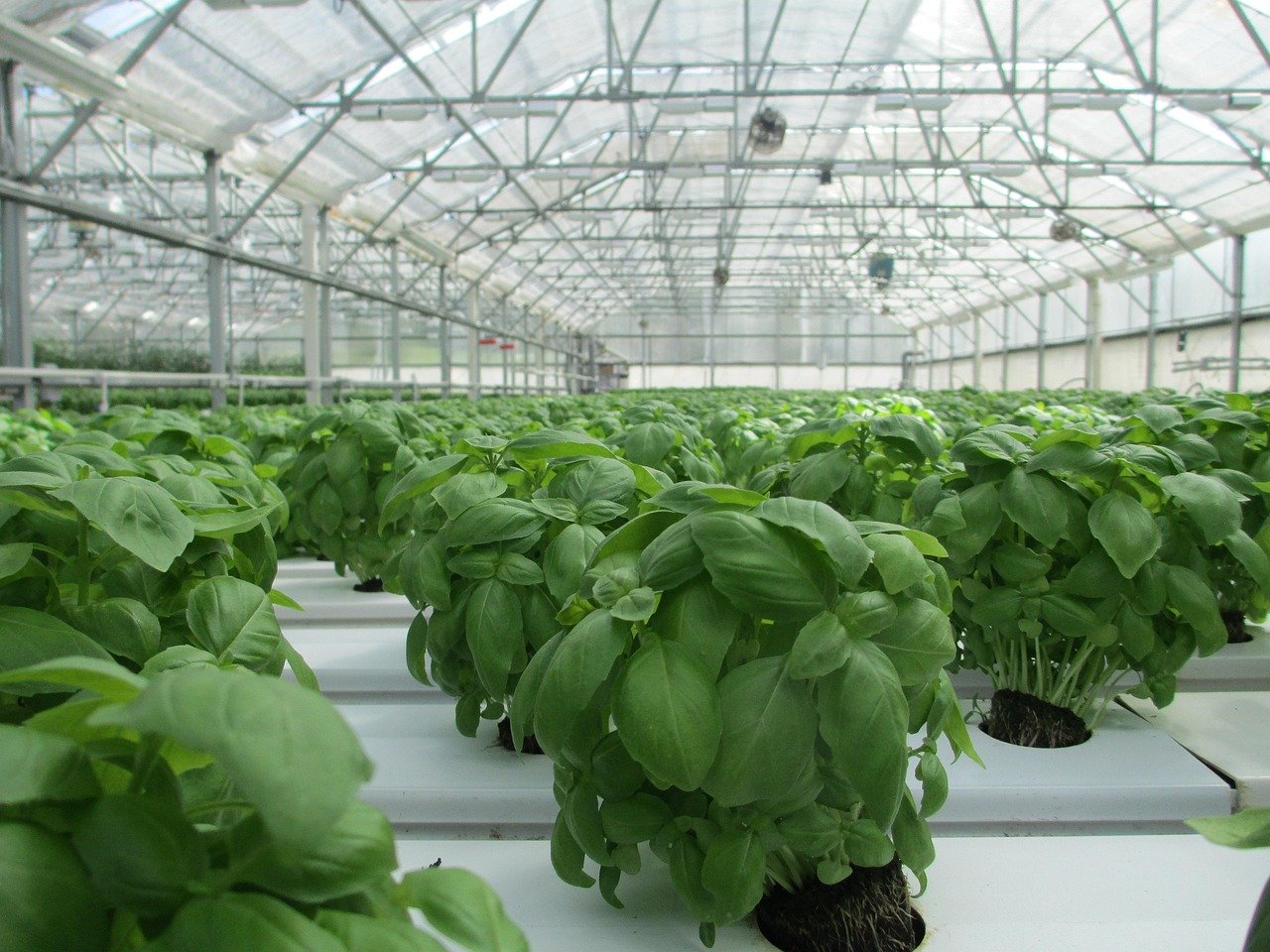
Hydroponic kits offer a more traditional approach to soilless cultivation, where plants’ roots are supported by a medium like rockwool or coco coir and nourished by a constant flow of nutrient-rich water. The General Hydroponics GH5135 is a comprehensive kit suitable for beginners and experienced growers alike.
- Advantages:
- Flexible and adaptable to different herb varieties.
- Can be more cost-effective than aeroponic systems.
- Supports faster growth and higher yields compared to soil-based methods.
- Challenges:
- Requires a good understanding of hydroponic principles and nutrient management.
- Potential for water-borne diseases if the system is not properly maintained.
Best for: Gardeners with some experience who are looking for a versatile and efficient growing method.
Self-Watering Planters
Self-watering planters are designed with a built-in water reservoir that allows plants to draw water as needed, reducing the frequency of watering and minimizing the risk of overwatering. The Lechuza Cubico is a stylish and functional example of a self-watering planter suitable for indoor herb gardens.
- Advantages:
- Convenient for busy individuals or those new to gardening.
- Helps prevent common mistakes like overwatering.
- Aesthetic designs that fit well with indoor decor.
- Challenges:
- May not be suitable for all types of herbs, especially those requiring constant moisture.
- The water reservoir needs to be checked and refilled regularly.
Best for: Beginners or those who tend to forget to water their plants regularly.
| Option | Best For | Difficulty | Cost | Speed |
|---|---|---|---|---|
| Smart Indoor Gardens | Tech-savvy individuals | Low | High | Fast |
| Vertical Herb Gardens | Space-efficient solutions | Moderate | Moderate | Moderate |
| Aeroponic Systems | Experienced gardeners | High | Very High | Very Fast |
| Hydroponic Kits | Flexible and adaptable growers | High | High | Fast |
| Self-Watering Planters | Busy individuals or beginners | Low | Moderate | Moderate |
How to Choose the Right One
Choosing the right indoor herb garden involves considering several key factors, including the type of herbs to be grown, the available space, the level of maintenance one is willing and able to commit to, and the budget for the initial investment and ongoing costs. For those with limited space, vertical gardens or smart indoor systems might be the most suitable options. Individuals with more space and a willingness to invest time in gardening might find hydroponic kits or aeroponic systems more appealing.
Another crucial factor is lighting. Most herbs require a significant amount of light to thrive. If the indoor space receives plenty of natural light, this might not be a concern. However, for spaces with limited natural light, considering a system that includes or can be supplemented with grow lights is essential. The cost of the system, both initially and in terms of ongoing expenses like nutrients and energy for lighting, should also be a consideration. Lastly, the difficulty level of the system should match the gardener’s experience and willingness to learn and adapt.
Understanding the specific needs of the herbs to be grown is vital. Some herbs, like basil and mint, are relatively easy to grow and can thrive in a variety of conditions, while others, like rosemary and thyme, may be more finicky and require more precise control over their environment. Matching the herb’s needs with the capabilities of the indoor garden system is key to success.
In addition to these factors, considering the aesthetic appeal of the system can also be important, especially if the garden will be located in a living area or kitchen. Some systems, like vertical gardens or certain types of planters, can add a decorative element to the space, enhancing its beauty and functionality.
For those who are new to indoor gardening, starting with a simpler system like self-watering planters or a small smart garden can be a good introduction. As experience and confidence grow, more complex systems like hydroponics or aeroponics can be considered. The key is to find a balance between the desire for a thriving herb garden and the practical realities of space, time, and budget.
Practical Takeaways
One of the primary benefits of having an indoor herb garden is the constant availability of fresh herbs. This can significantly enhance cooking and dining experiences, providing flavors and aromas that are not always possible with store-bought herbs. Moreover, growing herbs indoors can improve indoor air quality by purifying the air and contributing to a healthier environment.
An indoor herb garden can also serve as a stress-relieving activity. The process of nurturing plants, watching them grow, and enjoying the fruits of one’s labor can be deeply satisfying and calming. Furthermore, it promotes a sense of accomplishment and self-sufficiency, as individuals take control of their food production, even if on a small scale.
In terms of space efficiency, indoor herb gardens offer a solution for urban dwellers or those with limited outdoor space. They can be adapted to fit into almost any room, from kitchens to living rooms, making it possible for anyone to grow their herbs, regardless of their living situation. The year-round production of herbs is another significant advantage, allowing for a constant supply of fresh flavors without being dependent on seasonal availability.
The educational aspect of indoor herb gardening should not be overlooked. It provides an opportunity to learn about botany, nutrition, and sustainability in a hands-on manner. For families, it can be a fun and educational activity to undertake together, teaching children about the importance of plants, food production, and environmental stewardship.
Lastly, an indoor herb garden can be a beautiful decorative element, adding a touch of greenery and freshness to indoor spaces. With the variety of planters and systems available, it’s possible to find an option that complements any decor, from modern and sleek to traditional and rustic.
Worth Remembering
The key to a successful indoor herb garden is understanding the specific needs of the herbs to be grown and matching those needs with the right system. Considering factors such as space, lighting, maintenance, and budget is crucial for choosing the right indoor garden. By selecting an appropriate system and following proper care guidelines, anyone can enjoy the numerous benefits of an indoor herb garden, from fresh flavors and improved air quality to a sense of accomplishment and a beautiful decorative element.