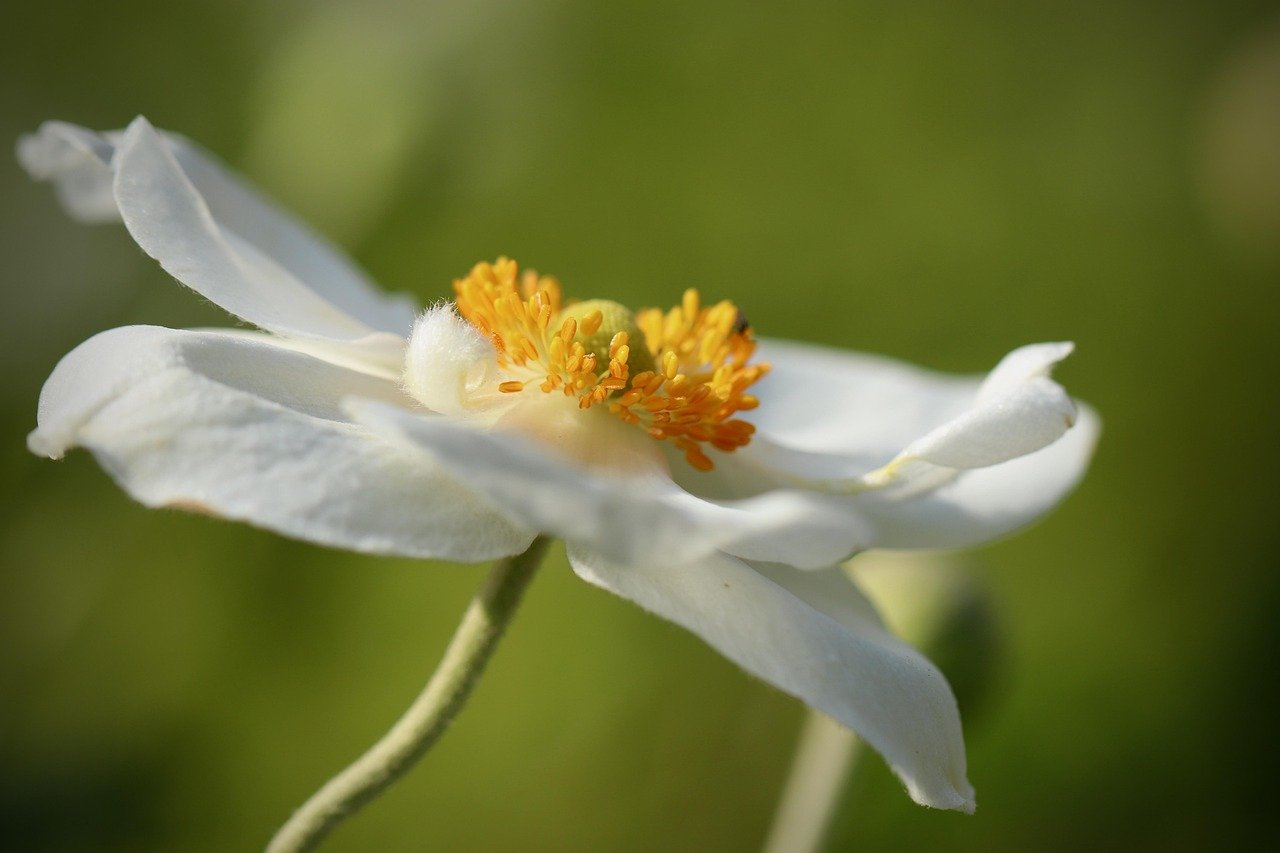
Before the transformation: a garden filled with wilted, underperforming plants that never seemed to flourish, despite careful watering and fertilizing. After the transformation: a vibrant, resilient garden where each plant thrives, attracts pollinators, and requires less maintenance. The difference lies not in luck, but in understanding what plants truly belong in a given space and why. This article offers an honest, no‑fluff examination of garden plants, guiding readers from confusion to confidence. It explains the fundamentals, highlights five cutting‑edge innovations, lists concrete benefits, and predicts what the future holds for home gardeners.
📝 Article Overview
What Is Garden Plants?
Garden plants are any cultivated flora intentionally placed in a garden setting for aesthetic, edible, or ecological purposes. They range from ornamental perennials and annuals to vegetables, herbs, and native shrubs. Understanding garden plants involves more than naming species; it requires knowledge of climate compatibility, soil preferences, water needs, and the role each plant plays in the garden ecosystem.
Most beginners focus on appearance alone, overlooking the underlying requirements that dictate success. Here’s the key thing to understand: a plant that looks perfect in a catalog may fail spectacularly if its environmental needs are mismatched with the garden site. By evaluating climate zone, soil type, sunlight exposure, and maintenance capacity, gardeners can select plants that not only survive but excel.
| Factor | Typical Concern | Honest Solution | Result |
|---|---|---|---|
| Sunlight | Full sun vs. shade confusion | Map sun patterns, choose plants accordingly | Healthy growth, fewer sunburned leaves |
| Soil pH | Assuming neutral pH works for all | Test soil, amend with lime or sulfur as needed | Improved nutrient uptake |
| Water Needs | Over‑watering or drought stress | Group plants by similar water demand | Consistent moisture levels, reduced disease |
| Hardiness Zone | Planting beyond zone limits | Consult USDA zone maps, select zone‑appropriate varieties | Winter survival, less winter kill |
Top Garden Plants Innovations to Know
1. Drought‑Resistant Succulent Hybrids
Most people miss this: hybrid succulents now combine the aesthetic appeal of traditional varieties with dramatically improved water efficiency. These hybrids are bred to store moisture deeper in their tissues, allowing longer intervals between watering.
Detail: The breeding process selects for thicker leaf cuticles and root systems that tap into deeper soil moisture. Gardeners can plant them in containers or rock gardens, where traditional perennials would wilt under heat stress. They also tolerate a broader temperature range, making them viable in both temperate and arid zones.
- What You Gain:
- Reduced irrigation frequency—often only once every two weeks.
- Lower risk of fungal diseases caused by excess moisture.
- Visual interest year‑round, as many retain color even in dormancy.
2. Edible Flower Varieties with High Nutrient Profiles
Most gardeners think of edible flowers as garnish only. In reality, new cultivars have been developed to maximize vitamins, antioxidants, and flavor intensity.
Detail: Breeders cross traditional ornamental species with nutrient‑dense wild relatives. The result is a flower that not only decorates salads but also contributes measurable amounts of vitamin C and polyphenols. These varieties thrive in the same beds as herbs, simplifying garden layout.
- What You Gain:
- Dual purpose—beauty and nutrition in one plant.
- Attractive pollinator draw, enhancing overall garden health.
- Easy integration into existing vegetable plots.
3. Self‑Pruning Shrubs with Hormonal Regulation
Self‑pruning shrubs use a built‑in hormonal mechanism that limits excessive growth, reducing the need for regular trimming. This innovation appeals to gardeners with limited time.
Detail: The plants have been engineered to produce higher levels of auxin at branch tips, which naturally suppresses lateral bud development after a certain size is reached. The result is a compact, tidy form that maintains shape without manual intervention.
- What You Gain:
- Less labor—pruning intervals extend to 3‑5 years.
- Consistent shape, ideal for formal garden designs.
- Reduced waste from discarded trimmings.
4. Soil‑Active Mycorrhizal Companion Plants
Most people miss this: certain companion plants are now recognized for their ability to foster beneficial mycorrhizal networks, which improve nutrient exchange for neighboring crops.
Detail: These plants exude specific root exudates that stimulate fungal hyphae growth, creating a shared underground web. When interplanted with vegetables or fruiting shrubs, they enhance phosphorus and micronutrient uptake, leading to healthier, higher‑yielding produce.
- What You Gain:
- Improved nutrient efficiency—less fertilizer needed.
- Enhanced drought tolerance across the bed.
- Natural disease suppression via stronger plant vigor.
5. Smart Sensor‑Integrated Perennials
Smart gardening is no longer limited to external devices; some perennials now come with built‑in micro‑sensors that communicate soil moisture and temperature data to a smartphone app.
Detail: The sensors are thin, biodegradable, and powered by plant respiration. When moisture drops below a set threshold, the app alerts the gardener, allowing precise watering. This technology reduces guesswork and prevents over‑watering, which is a common cause of root rot.
- What You Gain:
- Data‑driven watering—optimizes water use.
- Early detection of stress before visible symptoms appear.
- Long‑term records help refine garden management practices.
Real-World Benefits
✔ Lower Water Consumption
By selecting drought‑resistant hybrids and grouping plants with similar needs, gardeners can cut irrigation volumes by up to 50%, saving both money and environmental resources.
✔ Increased Yield and Nutrition
Edible flower varieties and mycorrhizal companions boost the nutritional profile and overall harvest weight of adjacent crops, delivering more food from the same garden space.
✔ Time Savings
Self‑pruning shrubs and sensor‑integrated perennials dramatically reduce the hours spent on routine maintenance, freeing time for design or relaxation.
✔ Enhanced Biodiversity
Planting a mix of ornamental, edible, and native species creates habitats for pollinators, beneficial insects, and soil microbes, fostering a resilient ecosystem.
✔ Reduced Chemical Inputs
Healthy, well‑matched plant communities need fewer pesticides and fertilizers, lowering both cost and environmental impact.
✔ Aesthetic Consistency
Innovations like self‑pruning shrubs ensure a tidy, year‑round appearance without constant re‑shaping, supporting a polished garden design.
What to Expect Next
- Wider adoption of biodegradable sensor technology across a broader range of species.
- Expansion of climate‑adaptive breeding programs focused on extreme weather resilience.
- Growth of community seed exchanges centered on locally adapted heirloom varieties.
- Integration of AI‑driven garden planning apps that recommend plant pairings based on soil test uploads.
- Increased regulatory support for pollinator‑friendly plantings in residential zones.
As production costs drop, even small‑scale gardeners will access data‑rich plants, turning intuition into measurable insight.
Breeders will target heat waves and sudden frosts, delivering varieties that maintain productivity under erratic conditions.
These exchanges will preserve genetic diversity and provide gardeners with plants proven to thrive in specific micro‑climates.
The apps will suggest optimal companion plants, reducing trial‑and‑error and improving overall garden health.
Municipal policies may incentivize the inclusion of native flowering plants, enhancing urban biodiversity.
| Plant Category | Typical Water Need | Soil Preference | Best Companion |
|---|---|---|---|
| Drought‑Resistant Succulents | Low | Well‑draining, sandy | Lavender (shared dry conditions) |
| Edible Flowers (e.g., Nasturtium) | Moderate | Loamy, slightly acidic | Basil (enhances flavor) |
| Self‑Pruning Shrubs (e.g., Boxwood‑X) | Moderate | Rich, well‑amended | Hostas (shade complement) |
| Mycorrhizal Companion (e.g., Buckwheat) | High | Loose, fertile | Tomatoes (enhanced uptake) |
One Last Thing
Choosing garden plants with honesty means matching real site conditions to plant needs, not chasing trends. By applying the techniques and innovations outlined, gardeners gain measurable savings, richer harvests, and a more resilient garden ecosystem. The future promises smarter tools and harder‑ier varieties, making the honest approach ever more rewarding.