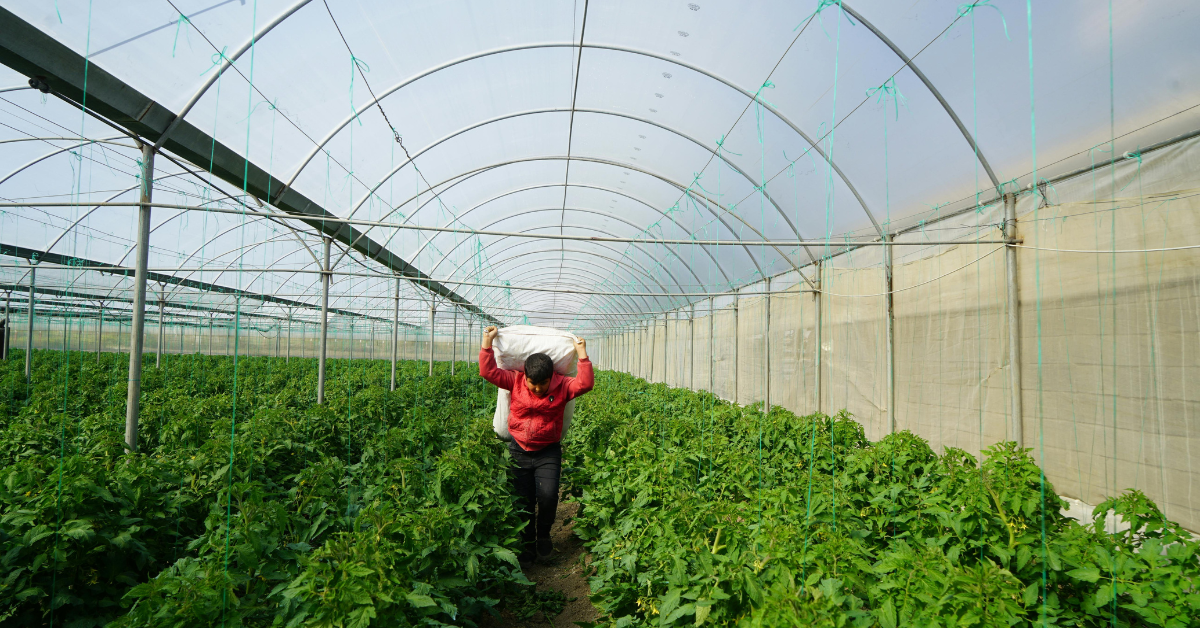
The traditional concept of greenhouses is undergoing a significant transformation, enabling individuals and communities to cultivate their own food and plants in unprecedented ways. Portable greenhouses are changing the face of urban agriculture, backyard gardening, and even commercial farming. However, many people struggle with the high costs, lack of space, and complex maintenance associated with conventional greenhouses. The need for affordable, accessible, and easy-to-use greenhouse solutions has never been more pressing.
📝 Table of Contents
Common Challenges With Defining Portable Greenhouse (Real Examples)
High Initial Investment
One of the primary challenges individuals face when considering a portable greenhouse is the high initial investment required for purchase and setup. This financial barrier often discourages potential buyers, especially those on a tight budget. The costs can escalate quickly due to the materials, size, and features of the greenhouse. As a result, many are forced to opt for cheaper, less durable alternatives or abandon the idea altogether.
Limited Space and Portability
Another significant issue is the misconception that portable greenhouses must be small and less effective. While portability is a key feature, it does not necessarily mean the greenhouse has to be compact or inefficient. Many designs compromise on space to achieve portability, thereby limiting the user’s ability to grow a diverse range of plants. The true challenge lies in designing a greenhouse that balances portability with ample growing space.
Maintenance and Climate Control
Maintenance and climate control are also common pain points for portable greenhouse owners. The lack of proper insulation, ventilation, and automated systems can lead to inconsistent temperatures, humidity levels, and light exposure, all of which are critical for healthy plant growth. Without a well-designed climate control system, users may struggle to maintain optimal conditions, resulting in poor crop yields or plant diseases.
Materials and Durability
The choice of materials for a portable greenhouse significantly affects its durability and overall performance. Low-quality materials can lead to a structure that is not only less durable but also less energy-efficient. This can result in higher energy costs and a shorter lifespan for the greenhouse. Furthermore, the use of inappropriate materials can compromise the health and safety of the plants and users.
Integration with Technology
The integration of technology into portable greenhouses is an area that is often overlooked. Advanced technologies such as hydroponics, aeroponics, and smart sensors can greatly enhance the efficiency and productivity of a greenhouse. However, the cost and complexity of implementing these technologies can be daunting for many users. As a result, many portable greenhouses miss out on the benefits that technology can offer.
Leading Portable Greenhouse Solutions
1. Modular Design Greenhouses
Modular design greenhouses offer a flexible and scalable solution for growers. These greenhouses are made up of interlocking modules that can be easily assembled, disassembled, and rearranged as needed. This design allows for maximum versatility, enabling users to start small and expand their greenhouse as their needs grow. To implement this solution, users can start by assessing their space and budget, then select modules that fit their requirements.
- What You Gain:
- Flexibility in design and expansion
- Cost-effectiveness through modular purchasing
- Ease of assembly and disassembly
2. Inflatable Greenhouses
Inflatable greenhouses provide a lightweight, easy-to-transport alternative to traditional structures. Made from durable, UV-resistant materials, these greenhouses can be inflated and deflated as needed, making them ideal for temporary or seasonal use. Users can implement this solution by selecting an appropriate size and model, then following the manufacturer’s inflation and setup instructions.
- What You Gain:
- Portability and ease of transport
- Quick setup and teardown
- Resistance to UV degradation
3. Recycled Material Greenhouses
Greenhouses made from recycled materials offer an eco-friendly option for environmentally conscious growers. These structures can be constructed from repurposed plastic bottles, old windows, or other reclaimed materials, reducing waste and minimizing the carbon footprint. To implement this solution, users can source materials locally, then design and build their greenhouse using DIY plans or professional services.
- What You Gain:
- Environmental sustainability through material reuse
- Cost savings from using free or low-cost materials
- Unique, aesthetically pleasing design
4. Smart Greenhouses
Smart greenhouses integrate advanced technologies such as sensors, automated systems, and data analytics to optimize growing conditions and plant care. These high-tech greenhouses can monitor and control temperature, humidity, light, and nutrient levels, ensuring that plants receive exactly what they need to thrive. Users can implement this solution by investing in a smart greenhouse kit or retrofitting their existing structure with smart technologies.
- What You Gain:
- Precision control over growing conditions
- Automated monitoring and adjustments
- Data-driven insights for improved crop yields
5. Hydroponic Greenhouses
Hydroponic greenhouses utilize a soilless cultivation method, where plants are grown in a nutrient-rich solution rather than soil. This approach can increase crop yields, reduce water consumption, and minimize the use of fertilizers and pesticides. To implement this solution, users can select a hydroponic system, choose appropriate crops, and follow guidelines for nutrient management and plant care.
- What You Gain:
- Increased water efficiency and conservation
- Improved crop yields and plant health
- Reduced environmental impact through minimized chemical use
6. Community Greenhouses
Community greenhouses are shared facilities that bring people together to grow their own food, learn about sustainable gardening practices, and build stronger community bonds. These greenhouses can be established in urban or rural areas, providing a communal space for education, recreation, and food production. Users can implement this solution by organizing a community group, securing a location, and designing a shared greenhouse space that meets the needs of all members.
- What You Gain:
- Community engagement and social connections
- Shared knowledge and expertise in gardening and sustainability
- Access to fresh, locally grown produce
| Approach | Old Way | Better Way | Result |
|---|---|---|---|
| Design | Static, non-modular | Modular, adaptable | Increased flexibility and scalability |
| Materials | Traditional, non-recyclable | Recycled, sustainable | Reduced environmental impact |
| Technology | Basic, manual control | Advanced, automated systems | Improved efficiency and yields |
| Community Engagement | Individual, isolated | Shared, community-driven | Stronger community bonds and knowledge sharing |
| Cultivation Method | Soil-based, high water usage | Hydroponic, water-efficient | Conservation of water resources |
What This Means in Practice
In urban areas, portable greenhouses are being used on rooftops and in backyards to produce fresh, organic produce for local families. This not only improves food security but also enhances the aesthetic and economic value of the properties. For example, a family in a densely populated city used a modular greenhouse to grow their own herbs and vegetables, significantly reducing their grocery bills and enhancing their diet with fresh, homegrown produce.
In rural communities, portable greenhouses are facilitating the growth of specialty crops and flowers, providing new income streams for farmers and contributing to the local economy. A group of farmers, for instance, utilized inflatable greenhouses to extend their growing season, allowing them to supply their markets with fresh produce year-round and increase their revenue.
Schools and educational institutions are also benefiting from portable greenhouses, using them as interactive tools for teaching students about botany, ecology, and sustainable practices. This hands-on approach to learning is fostering a new generation of environmentally conscious and agriculturally aware individuals.
Furthermore, community greenhouses are serving as hubs for social activity, education, and community building. These shared spaces are bringing people together, promoting a sense of belonging, and providing access to fresh, locally grown food. In one community, a shared greenhouse became a central gathering point, where members could exchange gardening tips, share produce, and participate in workshops on sustainable living.
Portable greenhouses are also playing a critical role in disaster relief and recovery efforts. In areas affected by natural disasters, inflatable and modular greenhouses can be quickly deployed to provide a reliable source of food, helping to stabilize affected communities and support their recovery.
Step-by-Step Action Plan
- Assess your space and budget to determine the most suitable type of portable greenhouse for your needs, considering factors such as size, materials, and features. This step is crucial in ensuring that your greenhouse is functional, affordable, and meets your specific requirements.
- Research and compare different models and designs, taking into account factors like durability, energy efficiency, and ease of assembly. This research will help you make an informed decision and avoid costly mistakes.
- Consider integrating advanced technologies such as hydroponics, aeroponics, or smart sensors to enhance the efficiency and productivity of your greenhouse. These technologies can significantly improve crop yields and reduce maintenance efforts.
- Plan your greenhouse layout and crop selection carefully, ensuring that you have adequate space for the plants you wish to grow and that you are making the most of the available light and climate conditions. A well-planned layout is essential for maximizing yields and minimizing waste.
- Invest in high-quality, durable materials and construction to ensure your greenhouse can withstand various weather conditions and last for many years. The initial investment in quality materials will pay off in the long run through reduced maintenance and extended lifespan.
- Join online forums or local gardening communities to learn from others, share your experiences, and stay updated on the latest developments in portable greenhouse technology. Networking with fellow gardeners can provide valuable insights and tips for optimizing your greenhouse’s performance.
- Start small and be prepared to adapt and evolve your greenhouse setup as you gain more experience and knowledge about what works best for you and your specific growing conditions. Being flexible and open to change is key to successfully managing a portable greenhouse.
Key Takeaways
The portable greenhouse market is rapidly evolving, driven by innovations in design, materials, and technology. As consumers become more environmentally conscious and eager for sustainable living solutions, the demand for efficient, accessible, and eco-friendly greenhouses continues to grow. By understanding the challenges and opportunities in this field, individuals and communities can harness the potential of portable greenhouses to enhance food security, promote sustainability, and foster community development. As the world looks towards a more sustainable future, the role of portable greenhouses in transforming the way we grow and interact with our food will only continue to expand and evolve.