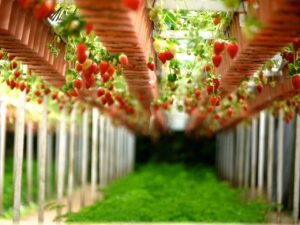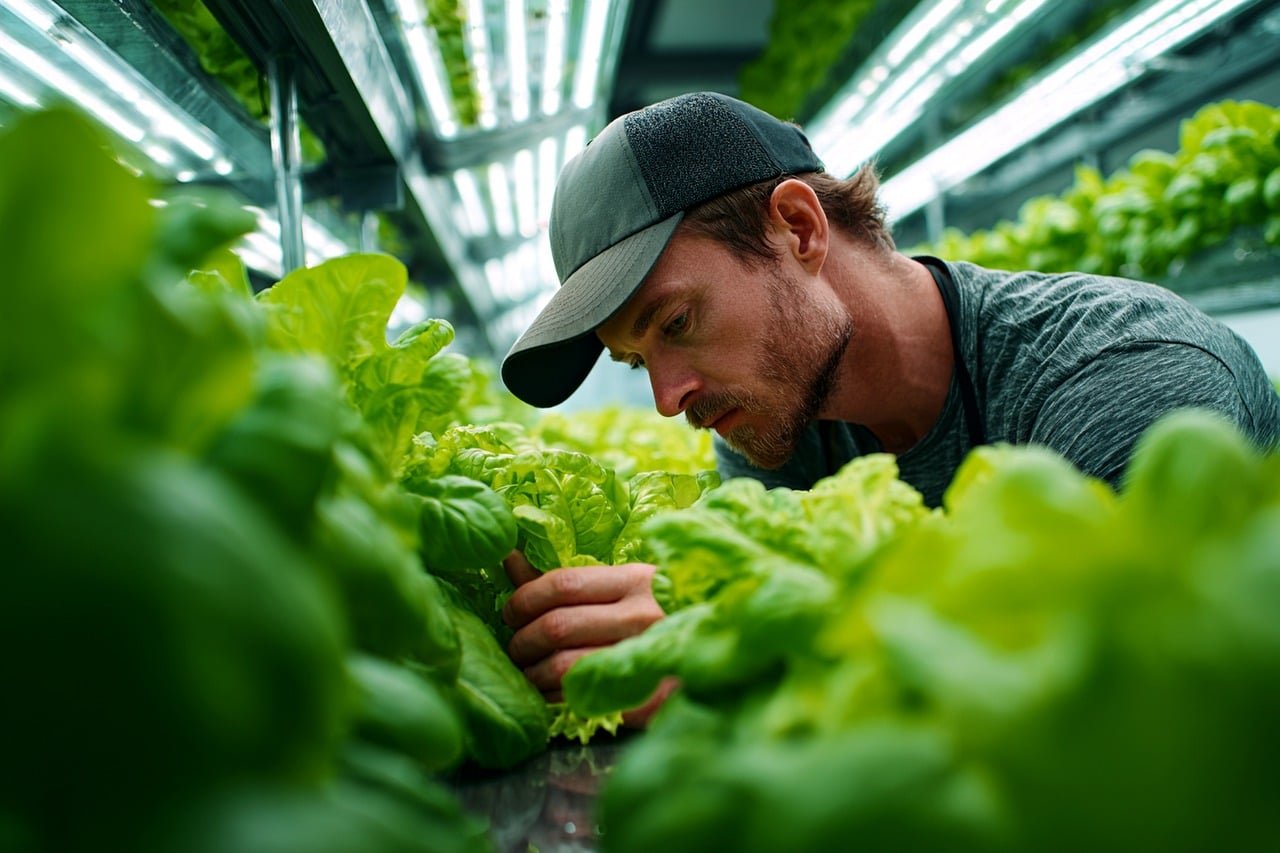
Many people assume that growing plants without soil is a futuristic, overly complex hobby reserved for scientists. In reality, hydroponics is an accessible, efficient method that can be adopted in a kitchen, a balcony, or a commercial greenhouse. The biggest misconception is that it requires expensive equipment and specialized knowledge—most beginners can start with simple setups and see results quickly. Here’s the key thing to understand: hydroponics focuses on delivering exactly what plants need, when they need it, which often leads to faster growth and higher yields than traditional soil gardening. Most people miss this core principle and get stuck on perceived barriers rather than embracing the practical benefits.
📝 What You'll Learn
Defining Hydroponics
Hydroponics is a method of cultivating plants using mineral nutrient solutions dissolved in water, bypassing the need for soil as a growing medium. This technique allows precise control over nutrient delivery, pH levels, and environmental conditions, resulting in optimized plant health and productivity. In the broader context of soilless agriculture, hydroponics sits alongside aeroponics and aquaponics, each offering unique advantages depending on scale and resource availability.
Historically, hydroponic principles date back to ancient civilizations, but modern commercial adoption accelerated in the 20th century with advances in chemistry and engineering. Today, hydroponics supports everything from hobbyist indoor gardens to large‑scale commercial farms that supply fresh produce to urban markets. Understanding how hydroponics compares to traditional soil farming and other soilless methods helps clarify its role in sustainable agriculture.
| Aspect | Hydroponics | Soil Farming | Aeroponics |
|---|---|---|---|
| Water Use | Up to 90% less | High | Very low |
| Growth Speed | 30‑50% faster | Baseline | Fastest |
| Space Efficiency | Vertical stacking possible | Horizontal rows | Vertical & mist |
| Nutrient Control | Precise mixing | Variable | Highly precise |
Latest Hydroponics Technologies
1. NFT (Nutrient Film Technique) Systems
The Nutrient Film Technique circulates a thin film of nutrient solution over the plant roots, allowing continuous exposure to oxygen and nutrients. This method is popular for leafy greens because it promotes rapid growth with minimal water waste.
Key components include a sloped channel, a pump, and a reservoir. Roots absorb nutrients directly from the flowing film while excess solution is recirculated, creating an efficient closed-loop system. The design minimizes the risk of root rot due to constant aeration.
- Key Benefits:
- Consistent nutrient delivery reduces manual monitoring.
- Low water consumption compared to flood‑and‑drain.
- Scalable for both hobbyist and commercial operations.
2. Deep Water Culture (DWC)
Deep Water Culture suspends plant roots directly in oxygen‑rich nutrient solution, typically using an air stone to maintain dissolved oxygen levels. This straightforward approach is ideal for beginners and for crops like lettuce, basil, and tomatoes.
The system consists of a reservoir, a net pot, and an aeration unit. Because roots are submerged, nutrient uptake is rapid, leading to quick harvest cycles. Temperature control of the water is critical to prevent disease.
- Key Benefits:
- Simple setup accelerates learning curve.
- Fast growth rates due to constant nutrient access.
- Minimal mechanical parts lower maintenance needs.
3. Aeroponic Mist Chambers
Aeroponics delivers nutrients as a fine mist directly onto the root zone, providing maximum oxygen exposure. This technology is often used in high‑value crops such as strawberries and cannabis where premium quality is essential.
Mist nozzles are timed to spray at intervals, and a closed chamber maintains humidity and temperature. The system demands precise control but rewards growers with exceptionally high yields per square foot.
- Key Benefits:
- Superior oxygenation promotes vigorous root development.
- Water usage is the lowest among soilless methods.
- Higher nutrient use efficiency reduces waste.
4. LED‑Optimized Growth Chambers
Modern LED lighting arrays provide spectrum‑specific illumination tailored to each growth stage, from vegetative to flowering. LEDs generate less heat, allowing closer placement to plants and reducing cooling costs.
Integrated controllers adjust light intensity and photoperiod automatically based on sensor feedback. This precision ensures plants receive the optimal light energy for photosynthesis, enhancing both flavor and nutritional content.
- Key Benefits:
- Energy efficiency lowers operational costs.
- Customizable spectra improve crop quality.
- Reduced heat simplifies climate control.
5. AI‑Driven Nutrient Management Platforms
Artificial intelligence algorithms analyze real‑time data from pH, EC, temperature, and humidity sensors to automatically adjust nutrient formulas. This reduces human error and adapts to plant growth phases dynamically.
Cloud‑based dashboards provide growers with actionable insights, while machine learning models predict optimal harvest times. The technology democratizes precision farming, making advanced control accessible to smaller operations.
- Key Benefits:
- Automation frees up labor for other tasks.
- Data‑driven decisions improve consistency.
- Predictive analytics minimize waste and maximize yields.
Real-World Benefits
✔ Water Conservation
Hydroponic systems recycle water, using up to 90% less than traditional agriculture, which is vital in drought‑prone regions.
✔ Faster Growth Cycles
Plants often reach maturity 30‑50% sooner, allowing multiple harvests per year and increasing food availability.
✔ Space Efficiency
Vertical stacking and dense planting maximize output per square foot, making hydroponics ideal for urban environments.
✔ Reduced Pesticide Use
Controlled environments limit pest exposure, decreasing reliance on chemical treatments and producing cleaner produce.
✔ Year‑Round Production
Indoor systems decouple growing from seasonal constraints, ensuring a steady supply of fresh vegetables regardless of climate.
✔ Higher Nutrient Density
Precise nutrient management can enhance vitamin and mineral content, delivering more nutritious food to consumers.
What Researchers Are Working On
- Integration of renewable energy sources with hydroponic farms.
- Development of biodegradable growing media.
- Genetic optimization of crops for hydroponic environments.
- Advanced sensor networks for micro‑climate management.
- Closed‑loop nutrient recycling technologies.
Scientists aim to power pumps, lights, and climate control entirely with solar or wind, reducing the carbon footprint of indoor agriculture.
Research focuses on sustainable alternatives to rockwool, such as hemp fibers or mycelium, to improve environmental impact.
Through CRISPR and selective breeding, plants are being tailored to thrive in nutrient‑film and aeroponic systems.
Multi‑parameter sensors coupled with edge computing enable real‑time adjustments at the individual plant level.
Efforts target capturing and purifying spent nutrient solutions for reuse, minimizing waste and fertilizer costs.
| Research Area | Goal | Projected Impact |
|---|---|---|
| Renewable Power Integration | Zero‑grid dependency | Lower operating costs, greener farms |
| Biodegradable Media | Eco‑friendly substrates | Reduced waste, better sustainability |
| Crop Genetics | Optimized nutrient uptake | Higher yields, lower inputs |
| Sensor Networks | Fine‑tuned environment | Consistent quality, reduced losses |
One Last Thing
Hydroponics redefines how food can be grown, offering tangible benefits in water use, space efficiency, and crop quality. By embracing the latest technologies and staying informed about emerging research, growers of all scales can achieve reliable, sustainable production. The future of agriculture increasingly points toward soil‑free methods, and hydroponics stands at the forefront of that transformation.