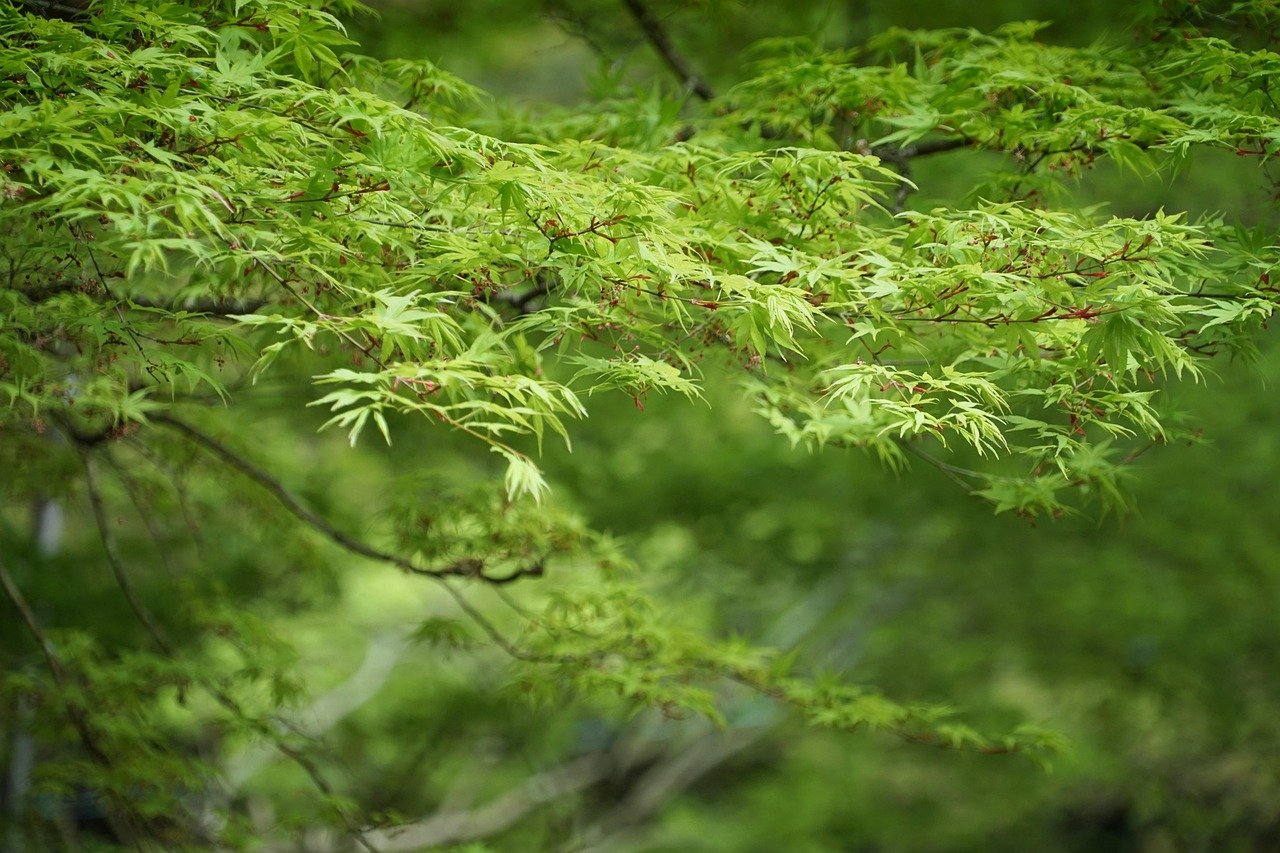
Many gardeners assume that any Japanese maple (Acer palmatum) will thrive anywhere, but the reality is that each variety has distinct needs and not every setting is suitable. Choosing the right Japanese maple matters because a well‑matched tree can become the centerpiece of a garden, while a mismatched choice may struggle, suffer disease, or require costly interventions. Understanding climate compatibility, soil preferences, and maintenance demands ensures that the tree not only survives but flourishes, providing stunning foliage for decades. This guide challenges the “one‑size‑fits‑all” myth and equips readers with the knowledge to make a confident, informed decision.
📝 Quick Navigation
The Basics of Japanese Maple Trees
Japanese maples belong to the genus Acer (Latin for “sharp”—referring to the leaf’s serrated edges) and the species palmatum, which means “hand‑shaped” in reference to the leaf’s lobed, palm‑like appearance. These trees are celebrated for their delicate, often deeply lobed leaves that change color dramatically through the seasons, ranging from bright green in spring to fiery reds, oranges, and purples in autumn. They typically reach heights of 6–25 feet (2–8 meters), depending on the cultivar, and prefer partial shade, well‑draining soil, and moderate moisture.
Before diving into specific cultivars, gardeners should assess three core factors: climate zone (the USDA hardiness zones 5–9 cover most maples), soil type (loamy, slightly acidic to neutral pH 5.5–7.0), and site exposure (partial shade protects leaves from scorching sun). Additionally, Japanese maples are shallow‑rooted, making them sensitive to wind and heavy foot traffic. Understanding these basics sets the stage for comparing the most popular and reliable options on the market today.
| Metric | Ideal Range |
|---|---|
| USDA Hardiness Zone | 5‑9 (most cultivars) |
| Soil pH | 5.5‑7.0 (slightly acidic to neutral) |
| Sun Exposure | Partial shade (4‑6 hrs filtered light) |
| Water Needs | Consistent moisture, avoid waterlogging |
Core Japanese Maple Approaches
1. Acer palmatum ‘Bloodgood’
‘Bloodgood’ is a classic deep‑red cultivar renowned for its robust growth and disease resistance, making it a favorite for beginners.
- What You Gain:
- Vibrant crimson foliage that deepens in winter
- High tolerance to heat and humidity
- Strong branch structure reduces breakage
- Challenges:
- Can become large if not pruned
- Needs regular watering in dry climates
Best for: gardeners seeking a reliable, show‑stopping color with moderate care.
2. Acer palmatum ‘Sango Kaku’ (Coral Bark)
‘Sango Kaku’ offers striking coral‑colored bark that remains vivid through winter, complemented by bright green summer leaves.
- What You Gain:
- Eye‑catching bark adds winter interest
- Compact size ideal for small gardens
- Excellent shade tolerance
- Challenges:
- Susceptible to aphids in humid regions
- Foliage may yellow if over‑fertilized
Best for: designers wanting seasonal contrast and limited space.
3. Acer palmatum ‘Katsura’ (Laceleaf)
‘Katsura’ features finely dissected, lace‑like leaves that create a delicate, airy appearance, perfect for ornamental borders.
- What You Gain:
- Elegant, feathery foliage adds texture
- Fast growth rate fills spaces quickly
- Good resistance to leaf spot disease
- Challenges:
- Delicate branches may snap in strong winds
- Requires protection from direct midday sun
Best for: creating a light, airy focal point in partially shaded spots.
4. Acer palmatum ‘Shishigashira’ (Lion’s Head)
‘Shishigashira’ is a dwarf, multi‑stem cultivar that forms a rounded, dense mound resembling a lion’s mane, ideal for containers.
- What You Gain:
- Compact, mound‑shaped habit suits pots
- Rich red‑purple foliage year‑round
- Low pruning needs
- Challenges:
- Limited height may not suit large landscapes
- Root crowding in containers requires repotting every 2‑3 years
Best for: patio gardeners and small‑space enthusiasts.
5. Acer palmatum ‘Sango Kaku’ (Sakura) – Variegated
The variegated version of ‘Sango Kaku’ displays creamy‑white margins on the leaves, adding a light‑filled texture to the garden palette.
- What You Gain:
- Variegation creates a bright, dappled effect
- Maintains the same coral bark charm
- Moderate growth keeps it manageable
- Challenges:
- Variegated leaves are more prone to sunburn
- Higher cost due to rarity
Best for: advanced gardeners seeking unique foliage patterns.
| Option | Best For | Difficulty | Cost | Speed |
|---|---|---|---|---|
| ‘Bloodgood’ | Reliable color, beginners | Easy | Moderate | Medium |
| ‘Sango Kaku’ (Bark) | Winter interest, small spaces | Easy | Moderate | Medium |
| ‘Katsura’ | Fine texture, fast fill | Moderate | Low | Fast |
| ‘Shishigashira’ | Container gardening | Easy | Higher | Slow |
| ‘Sango Kaku’ Variegated | Unique foliage, advanced | Moderate | Higher | Medium |
How to Choose the Right One
First, identify the primary purpose of the tree: is it a focal point, a shade provider, or a container accent? A focal point often benefits from bold color and bark, leading many to select ‘Bloodgood’ or ‘Sango Kaku’. If the goal is a subtle, airy texture, ‘Katsura’ offers delicate leaves that blend with surrounding plantings.
Next, evaluate the site conditions. For gardens with full sun exposure, choose heat‑tolerant cultivars like ‘Bloodgood’ and ensure ample moisture. In heavily shaded areas, ‘Sango Kaku’ thrives because its foliage tolerates low light without losing vigor. Soil drainage is crucial; if the garden has heavy clay, amend with sand or organic matter to prevent root rot.
Consider the maintenance commitment. Beginners may prefer low‑maintenance options—’Bloodgood’ requires minimal pruning and is disease‑resistant, while ‘Shishigashira’ demands occasional repotting but otherwise stays tidy. Advanced gardeners willing to invest time can enjoy the nuanced care of variegated forms, which need careful sun placement and regular feeding.
Budget also plays a role. Standard cultivars like ‘Bloodgood’ and ‘Katsura’ are widely available and priced modestly, whereas rare variegated selections command higher prices due to limited supply. Factor in long‑term costs such as fertilization, pest control, and potential replacement if the tree outgrows its space.
Finally, reflect on growth rate and ultimate size. Fast‑growing trees like ‘Katsura’ fill gaps quickly but may need more frequent pruning to maintain shape. Slow‑growing dwarf forms like ‘Shishigashira’ stay compact for many years, reducing future transplanting needs.
Why People Are Paying Attention
Choosing the right Japanese maple enhances visual interest throughout the year, providing a dynamic backdrop as leaves shift from green to fiery hues.
Proper selection reduces the risk of disease, saving gardeners time, money, and frustration associated with treatments and replacements.
A well‑matched maple integrates seamlessly with surrounding plants, creating harmonious garden design and increasing overall aesthetic appeal.
Optimal cultivar choice supports biodiversity by offering habitat and food sources for beneficial insects such as bees and butterflies.
Healthy, correctly placed maples improve microclimates, offering gentle shade that moderates temperature for nearby perennials.
Finally, a thriving Japanese maple adds long‑term property value, as mature specimens are prized features in residential landscapes.
Wrapping Up
Understanding climate, soil, and maintenance needs forms the foundation for selecting the ideal Japanese maple. By comparing the five highlighted cultivars across color, size, and care requirements, gardeners can align their choice with personal goals and site conditions. This structured approach ensures a beautiful, resilient maple that enriches the garden for years to come.