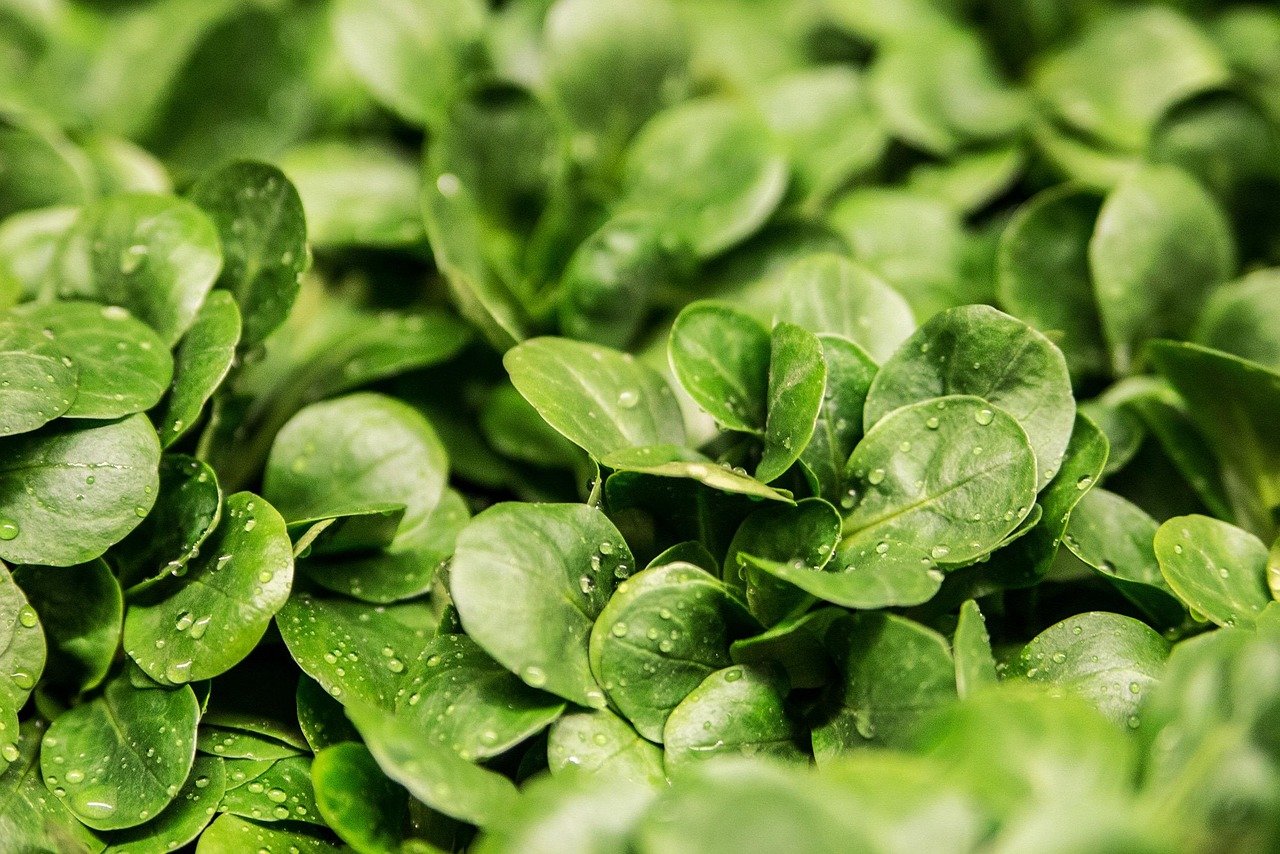
Is the hydroponic garden you just set up already failing, or are you simply overlooking the silent killers of growth? Many newcomers rush into soil‑free cultivation, dazzled by glossy Instagram feeds and quick‑growth promises. Yet they ignore the subtle missteps that sabotage yields before they even appear. This guide opens with a beginner who has just bought a starter kit, thinking the rest will fall into place. In reality, every component—from nutrient balance to airflow—requires precise attention, or the system will wilt under its own ambition.
📝 What You'll Learn
What Does Hydroponic Garden Mean?
Hydroponics is the method of growing plants without traditional soil, using mineral nutrient solutions dissolved in water to deliver everything the roots need. The system replaces the earth’s natural functions with engineered media, pumps, and carefully calibrated formulas, allowing plants to focus energy on fruit, leaf, or flower production.
| Term | Plain-English Meaning |
|---|---|
| Nutrient Solution | Water mixed with dissolved minerals that feed the plant. |
| pH | Acidity level of the water; crucial for nutrient uptake. |
| EC (Electrical Conductivity) | Measure of how much dissolved salt (nutrients) is in the solution. |
| Growing Medium | Inert material (rockwool, coco, perlite) that supports roots while allowing water flow. |
| Aeration | Adding oxygen to the water, usually with an air pump, to keep roots healthy. |
| Recirculating System | A setup where the same nutrient solution is pumped through the roots repeatedly. |
Why Hydroponic Garden (Common Mistakes) Matters
Everyone assumes that a hydroponic garden is a set‑and‑forget miracle. The reality is starkly different: errors in nutrient mixing, pH control, and airflow can slash yields by up to 60 %. For commercial growers, that translates into tens of thousands of dollars lost each season. For hobbyists, it means wilted lettuce, stunted tomatoes, and a wasted budget.
Who truly benefits from mastering these pitfalls? Urban dwellers with limited space, schools seeking hands‑on STEM projects, and small‑scale entrepreneurs targeting local markets all rely on precision. A study by the University of Arizona showed that growers who maintained pH within the 5.5‑6.0 window produced 30 % heavier lettuce heads than those who let it drift.
Real‑world impact extends beyond profit. Proper hydroponic practices cut water use by 90 % compared with field agriculture, conserve land, and reduce pesticide dependence. When mistakes are eliminated, the technology delivers on its promise of sustainable, high‑density food production.
Latest Hydroponic Garden Technologies
1. Smart Nutrient Dosing Systems
These devices automatically measure EC and dispense precise nutrient mixes. By linking to a cloud dashboard, they adjust formulas based on plant stage. Beginners often forget to calibrate the sensor after a month, causing inaccurate dosing.
- Plus Points:
- Eliminates guesswork, ensuring consistent growth.
- Reduces waste of expensive nutrient concentrates.
2. LED Full‑Spectrum Grow Lights with Dynamic Cycling
Modern LEDs mimic sunrise‑sunset cycles and can be programmed per species. The technology delivers the exact photon count plants need, boosting photosynthetic efficiency. New growers frequently set the timer too long, leading to heat stress and nutrient burn.
- Plus Points:
- Energy consumption up to 50 % lower than HPS bulbs.
- Customizable spectra improve flavor and potency.
3. Closed‑Loop Water Recycling Units
These systems filter, sterilize, and recirculate water, cutting fresh‑water demand to near zero. They employ UV and bio‑filters to keep pathogens at bay. A common mistake is neglecting filter replacement, allowing bio‑film to proliferate.
- Plus Points:
- Drastically reduces operating costs.
- Minimizes environmental footprint.
4. pH‑Stabilizing Reservoirs
Specialized reservoirs contain buffering agents that keep pH within a tight range without manual adjustment. They are especially useful for mixed‑crop systems. Beginners often over‑rely on the buffer, ignoring natural drift from plant uptake.
- Plus Points:
- Reduces daily testing frequency.
- Prevents nutrient lockout caused by pH swings.
5. Automated Air‑Stone Aerators
These devices attach to air pumps and create fine bubbles, maximizing dissolved oxygen. Proper oxygenation prevents root rot and promotes vigorous growth. The mistake most novices make is using a low‑CFM pump, which fails to oxygenate dense solutions.
- Plus Points:
- Improves root health and nutrient uptake.
- Extends solution life, lowering replacement costs.
6. Real‑Time Climate Controllers
Integrated units monitor temperature, humidity, and CO₂, adjusting HVAC and CO₂ injectors automatically. They keep the micro‑environment stable, essential for fruiting crops. Forgetting to calibrate the CO₂ sensor leads to over‑enrichment and wasted gas.
- Plus Points:
- Creates optimal conditions for every growth stage.
- Reduces manual labor and error.
7. Modular Vertical Farming Racks
Stackable racks increase growing area per square foot, using NFT or drip lines. They are designed for plug‑and‑play expansion. A frequent error is over‑loading the top tier, causing uneven water distribution.
- Plus Points:
- Maximizes space in urban settings.
- Scalable from a kitchen countertop to a commercial floor.
| Step | What You Do | Expected Result |
|---|---|---|
| 1 | Install a smart nutrient dosing system and calibrate sensors. | Consistent EC and nutrient levels, eliminating guesswork. |
| 2 | Mount LED full‑spectrum lights and program dynamic cycles. | Optimal photosynthesis, higher yields, lower energy use. |
| 3 | Set up a closed‑loop water recycling unit with UV filtration. | Near‑zero water waste and pathogen control. |
| 4 | Use a pH‑stabilizing reservoir and monitor drift weekly. | Stable pH, preventing nutrient lockout. |
| 5 | Attach automated air‑stone aerators to a high‑CFM pump. | High dissolved oxygen, healthier roots. |
| 6 | Deploy a real‑time climate controller and calibrate sensors. | Stable temperature, humidity, and CO₂ for peak growth. |
| 7 | Assemble modular vertical racks and balance water flow. | Maximized space utilization and uniform nutrient delivery. |
Frequently Asked Questions
What is the ideal pH range for most leafy greens?
The sweet spot lies between 5.5 and 6.2. Staying within this window ensures nutrients remain soluble and available.
How often should nutrient solution be changed?
For recirculating systems, replace the solution every 2‑3 weeks, or sooner if EC spikes dramatically.
Can I use tap water straight away?
Never. Tap water often contains chlorine and hard minerals that interfere with EC readings; always treat or use filtered water.
Why do my roots turn brown despite good lighting?
Brown roots signal oxygen deficiency or pathogen buildup—check aeration and sterilize the reservoir.
Is it necessary to sterilize seeds before planting?
Yes. Soaking seeds in a mild hydrogen peroxide solution for 5 minutes dramatically reduces fungal risk.
Wrapping Up
Hydroponic gardening is not a shortcut; it is a precision discipline that rewards meticulous planning. By confronting the hidden mistakes outlined above, growers can transform a fragile setup into a robust, high‑yield system. The time to act is now—adjust, measure, and watch the garden thrive.









2 thoughts on “Hydroponic Garden Mistakes: A Complete Guide to Avoiding Common Pitfalls”