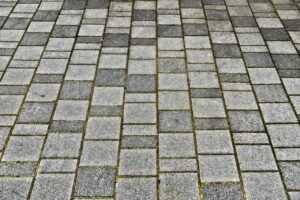
Garden stones have moved from simple functional pieces to central design elements in modern landscaping. As homeowners and designers seek durable, low‑maintenance, and aesthetically versatile materials, stone pathways, borders, and decorative accents are gaining unprecedented attention. Climate‑change‑driven drought concerns, the rise of sustainable gardening, and a renewed interest in natural textures all contribute to the surge in popularity. Moreover, advances in quarrying and prefabrication now make a wider variety of stone types accessible than ever before, allowing even modest gardens to achieve a high‑end look. Here’s the key thing to understand: choosing the right stone involves more than just picking a pretty rock; it requires matching the stone’s physical properties, visual character, and installation method to the garden’s specific needs.
📝 Contents
What Is Garden Stone?
Garden stone refers to any natural or engineered rock used intentionally within a landscape to serve functional or decorative purposes. This includes paving slabs for walkways, edging stones that define planting beds, stepping stones, decorative boulders, and even thin flagstones used for patio surfaces. The term encompasses a broad spectrum of materials, from locally sourced fieldstone to imported slate, each bringing distinct durability, slip resistance, and visual appeal.
Most people miss this: garden stone is not a one‑size‑fits‑all solution. The choice of stone influences water drainage, heat retention, and plant health. For example, a porous limestone will allow moisture to seep through, benefiting surrounding perennials, whereas a dense granite slab will stay cooler underfoot in hot climates.
| Stone Type | Typical Uses | Durability (Years) | Cost (per sq ft) |
|---|---|---|---|
| Granite | Patios, high‑traffic paths | 100+ | $12‑$20 |
| Limestone | Border edging, garden steps | 50‑70 | $6‑$10 |
| Sandstone | Dry riverbeds, decorative boulders | 60‑80 | $8‑$14 |
| Slate | Stepping stones, modern patios | 70‑90 | $9‑$16 |
Core Garden Stone Approaches
1. Natural Fieldstone Walls
Fieldstone walls use irregular, locally sourced rocks to create rustic boundaries. This method works especially well in hilly or woodland gardens where the stone blends with the surrounding terrain.
Installation begins with a compacted base, followed by careful stacking of stones without mortar, allowing for natural drainage. The aesthetic is timeless, and the wall can be repaired by simply replacing a displaced stone.
- Why It Works:
- Provides excellent drainage, reducing water pooling behind the wall.
- Uses locally available material, minimizing transport emissions.
- Creates a natural, timeless look that ages gracefully.
2. Engineered Flagstone Pavers
Engineered flagstones are cut from larger slabs to create uniform shapes, making installation faster and more predictable. They are ideal for modern patios where clean lines are desired.
These pavers are typically set on a sand‑base and jointed with polymer‑enhanced sand, offering a stable surface that resists shifting. Their flatness also supports outdoor furniture without wobble.
- Why It Works:
- Uniform size speeds up layout and reduces labor costs.
- Polymer‑sand joints lock the stones together, improving stability.
- Flat surface accommodates a wide range of outdoor activities.
3. Stepping Stone Paths
Stepping stones are single, often rounded stones placed at regular intervals to guide foot traffic. This approach is perfect for informal gardens that want a sense of discovery.
The key is spacing: stones should be about 18‑24 inches apart, with a compacted substrate beneath each to prevent sinking. Grassy gaps between stones soften the visual impact and keep the garden feeling open.
- Why It Works:
- Creates a playful, informal flow through planting beds.
- Minimizes the amount of hardscape, preserving soil health.
- Easy to modify; individual stones can be moved or replaced.
4. Boulders as Focal Points
Large boulders act as natural sculptures, adding drama and scale to a garden. When positioned thoughtfully, they can frame views, shelter plants, or serve as seating.
Choosing the right boulder involves assessing weight, shape, and the soil’s bearing capacity. Anchoring with a concrete footing or a bed of compacted gravel prevents shifting over time.
- Why It Works:
- Provides instant visual interest without additional ornamentation.
- Offers micro‑habitats for moss, lichens, and beneficial insects.
- Durable for decades, requiring virtually no maintenance.
5. Permeable Stone Driveways
Permeable stone driveways use interlocking pavers with void spaces that allow water to infiltrate, reducing runoff. This approach aligns with modern storm‑water management regulations.
Installation includes a layered base: crushed stone, a geotextile fabric, and the permeable pavers. Over time, the voids fill with fine aggregate, maintaining infiltration capacity.
- Why It Works:
- Mitigates storm‑water runoff, protecting nearby waterways.
- Reduces the need for additional drainage infrastructure.
- Offers the appearance of a traditional driveway with environmental benefits.
The Impact on Consumers
✔ Enhanced Curb Appeal
A well‑chosen stone feature instantly elevates a garden’s visual appeal, increasing property pride and marketability.
✔ Lower Maintenance Effort
Stone surfaces resist weeds, erosion, and wear, meaning less time spent on upkeep and more time enjoying the garden.
✔ Improved Water Management
Permeable stones and porous varieties help manage rainwater, reducing puddles and protecting plant roots.
✔ Increased Longevity
Unlike wood or composite decking, stone endures decades without rot, decay, or significant fading.
✔ Sustainable Material Choice
When sourced responsibly, stone reduces the carbon footprint compared to synthetic hardscapes.
✔ Versatile Design Flexibility
From rustic fieldstone walls to sleek slate patios, stone adapts to virtually any garden style.
How This Will Evolve
- Integration of Smart Sensors
Future stone installations will embed moisture and temperature sensors, feeding data to garden management apps for precise irrigation.
- Increased Use of Recycled Aggregate
Quarries will incorporate reclaimed concrete and glass into stone mixes, reducing extraction impacts while maintaining strength.
- Customization through CNC Cutting
Advanced CNC routers will allow homeowners to order bespoke stone shapes, enabling intricate patterns without manual labor.
- Hybrid Permeable Systems
New hybrid paver systems will combine permeable stone with modular grass panels, creating dynamic, adaptable hard‑soft surfaces.
- Bio‑Responsive Finishes
Coatings that encourage beneficial microbial growth on stone surfaces will emerge, helping to naturally suppress algae and moss.
| Feature | Current Availability | Projected 2028 Adoption |
|---|---|---|
| Embedded Sensors | Limited to premium projects | Mainstream in upscale homes |
| Recycled Aggregate Stone | 10‑15% market share | 30‑40% market share |
| CNC‑Custom Shapes | Prototype stage | Widely available through online retailers |
| Bio‑Responsive Coatings | Research phase | Commercial products released |
Key Takeaways
Garden stones provide durable, low‑maintenance solutions that enhance aesthetic appeal while supporting sustainable water management. Selecting the appropriate type—whether natural fieldstone, engineered flagstone, or permeable paver—depends on the garden’s functional needs and desired style. Emerging technologies such as smart sensors and recycled aggregates promise to make stone hardscapes even more adaptable and eco‑friendly.