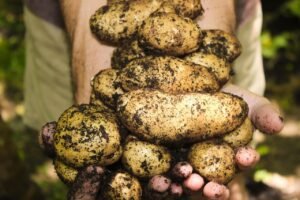
Everyone assumes that a green thumb is simply a matter of sprinkling water and watching plants grow. The reality is far more brutal: most hobbyists repeat the same fatal errors, believing that nature will forgive any slip‑up. This myth of “just water and sunlight” creates a false sense of security, leading to stunted growth, pest invasions, and wasted effort. The truth is that gardening is a science of balance, timing, and precision, not a casual pastime. By exposing the most common misconceptions and replacing them with evidence‑based practices, even the most novice gardener can transform a struggling plot into a productive oasis.
📝 Quick Navigation
A Closer Look at Gardening Mistakes
Gardening mistakes are not random blunders; they are systematic failures that stem from ignoring fundamental horticultural principles. From soil composition to plant selection, each error compounds the next, creating a cascade of problems that can cripple an entire garden season. Understanding these mistakes requires a clear definition of what constitutes a “mistake” in horticulture: any action or omission that deviates from the optimal conditions required for a specific plant species to thrive.
Context matters. A mistake made in a temperate climate will differ dramatically from one in an arid zone. Yet the underlying pattern remains the same: over‑generalization, neglect of site‑specific data, and reliance on popular myths rather than scientific evidence.
| Mistake Category | Typical Symptom | Root Cause | Corrective Action |
|---|---|---|---|
| Overwatering | Yellowing leaves, root rot | Poor drainage, lack of moisture sensors | Install drip irrigation, use soil moisture meter |
| Improper Soil pH | Stunted growth, nutrient deficiencies | Failure to test soil, reliance on generic fertilizers | Conduct pH test, amend with lime or sulfur |
| Incorrect Plant Spacing | Crowded canopy, poor air flow | Following seed packet without adjusting for mature size | Refer to USDA planting guides, thin seedlings appropriately |
| Neglecting Crop Rotation | Soilborne disease buildup | Planting same family repeatedly | Rotate families every 2‑3 years, incorporate cover crops |
Leading Gardening Mistakes Solutions
1. Precision Irrigation Management
Most gardeners treat watering like a daily ritual, ignoring the plant’s actual needs. The result is chronic over‑ or under‑watering that sabotages root health.
Implementing a precision irrigation system involves soil moisture sensors, weather‑based timers, and drip lines that deliver water directly to the root zone. This approach reduces waste, prevents disease, and maximizes nutrient uptake.
- Why It Works:
- Sensor data provides real‑time feedback, eliminating guesswork.
- Drip delivery minimizes foliage wetness, lowering fungal risk.
- Weather integration adjusts schedules automatically, conserving water.
2. Soil Health Optimization
Assuming that any soil will grow any plant is a fatal misconception. Soil structure, organic matter, and microbial activity dictate nutrient availability.
Regular soil testing, followed by targeted amendments—compost, biochar, and mineral adjustments—restores balance. Incorporating cover crops further enhances structure and fosters beneficial microbes.
- Why It Works:
- Testing identifies specific deficiencies, enabling precise correction.
- Organic amendments improve aggregation, increasing water infiltration.
- Cover crops feed soil microbes, creating a living nutrient reservoir.
3. Intelligent Plant Selection
Choosing plants solely based on aesthetic appeal ignores climate compatibility and soil conditions. The inevitable outcome is poor performance and wasted space.
Consulting USDA hardiness zones, soil pH preferences, and local extension recommendations ensures that each species is matched to its optimal environment. Native and adapted varieties thrive with minimal intervention.
- Why It Works:
- Zone‑matched plants face fewer stressors, reducing inputs.
- pH‑compatible species maximize nutrient uptake.
- Native selections support local pollinators, enhancing ecosystem health.
4. Structured Crop Rotation
Planting the same family in the same spot year after year is a recipe for pathogen buildup. Most gardeners ignore this simple, yet powerful, disease‑prevention strategy.
Designing a four‑year rotation plan that alternates legumes, brassicas, solanaceae, and root crops disrupts life cycles of soilborne pests and balances nutrient demands.
- Why It Works:
- Rotation breaks pathogen cycles, reducing disease incidence.
- Legumes fix nitrogen, enriching soil for subsequent crops.
- Varied root depths prevent nutrient depletion.
5. Integrated Pest Management (IPM)
Relying on blanket pesticide sprays assumes that chemicals are the most efficient defense. In reality, indiscriminate use destroys beneficial insects and creates resistance.
IPM combines monitoring, cultural controls, biological agents, and targeted chemicals only when thresholds are exceeded. This balanced approach preserves ecosystem services while keeping pests in check.
- Why It Works:
- Scouting identifies problems early, reducing severity.
- Beneficial insects provide natural regulation, lowering chemical need.
- Threshold‑based applications avoid unnecessary exposure.
Why This Matters to You
✔ Higher Yield Per Square Foot
By eliminating overwatering and nutrient imbalances, plants allocate more energy to fruit and flower production, directly boosting harvest quantity.
✔ Reduced Garden Maintenance Time
Precision tools and well‑planned rotations automate many tasks, freeing gardeners from daily guesswork and endless weeding.
✔ Lower Water and Chemical Costs
Efficient irrigation and targeted IPM dramatically cut utility bills and pesticide purchases, making gardening more economical.
✔ Improved Soil Longevity
Healthy soils resist erosion, retain nutrients longer, and support future planting cycles without costly remediation.
✔ Enhanced Plant Health and Resilience
Plants grown under optimal conditions resist disease, tolerate weather extremes, and produce superior flavor and nutrition.
✔ Greater Environmental Stewardship
Adopting sustainable practices reduces runoff, protects waterways, and contributes to biodiversity in urban and rural settings.
Emerging Directions
- Smart Soil Sensors Becoming Mainstream
- Microbial Inoculants Tailored to Specific Crops
- Vertical Farming Integration for Home Gardens
- AI‑Driven Plant Diagnosis Apps
- Regenerative Landscape Design
Advances in low‑cost IoT devices will allow real‑time monitoring of moisture, temperature, and nutrient levels, empowering gardeners to act with surgical precision.
Research is producing custom probiotic blends that boost root health and nutrient uptake for individual vegetable varieties.
Compact, stackable systems using LED lighting and hydroponics will bring professional‑grade yields to balconies and small yards.
Machine‑learning algorithms will interpret leaf images instantly, recommending precise interventions before damage spreads.
Design philosophies that prioritize carbon sequestration, perennial polycultures, and wildlife corridors will become the norm for eco‑conscious gardeners.
| Technology | Current Cost | Projected 2028 Cost | Key Benefit |
|---|---|---|---|
| Soil Moisture Sensor | $30‑$50 | $15‑$25 | Accurate watering schedules |
| AI Diagnosis App | Free‑$10 subscription | Free | Instant pest/disease ID |
| Custom Microbial Inoculant | $20 per pack | $12 per pack | Enhanced nutrient uptake |
| Vertical Hydroponic Kit | $200‑$500 | $120‑$300 | Space‑efficient high yields |
The Big Picture
Gardening mistakes are not inevitable; they are the result of outdated myths and a lack of data‑driven practices. By embracing precise irrigation, soil health science, intelligent plant selection, structured rotation, and integrated pest management, gardeners can dramatically improve yields while reducing inputs. The emerging tech wave promises to make these best‑practice tools accessible to every backyard, turning common errors into relics of the past.