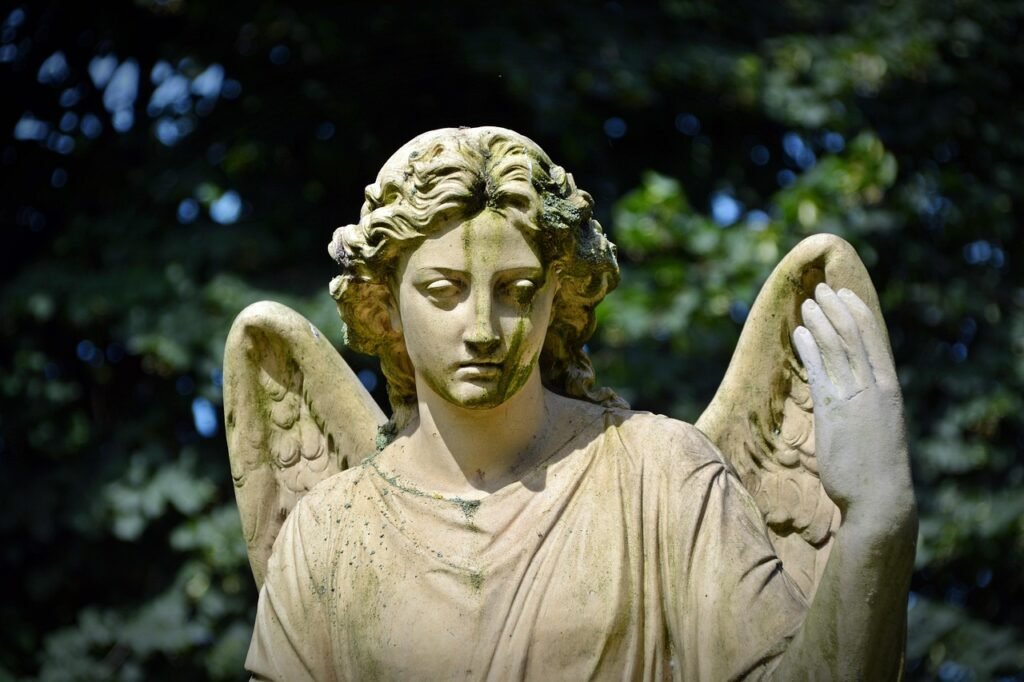
Garden statues have surged in popularity as homeowners seek to add personality, art, and a sense of place to outdoor spaces. Selecting the right statue can transform a plain lawn into a conversation starter, while a poor choice may clash with the garden’s style or demand excessive upkeep. Understanding material durability, visual scale, and thematic harmony matters more than ever, especially as trends shift toward sustainable, low‑maintenance landscaping. By examining real‑world examples and breaking down each option, readers can avoid costly mistakes and create an outdoor sanctuary that feels both curated and inviting.
📝 What You'll Learn
What Does Garden Statue Mean?
A garden statue is a three‑dimensional decorative object placed in an outdoor setting, typically crafted from stone, metal, resin, or wood. These pieces serve both aesthetic and functional purposes: they can act as focal points, guide foot traffic, or simply reflect the homeowner’s interests. Before diving into specific options, readers should grasp the core attributes that define a statue’s suitability for their garden.
Key considerations include material longevity (how well the material resists weathering), visual weight (how the piece feels in relation to surrounding plants), and thematic relevance (whether the statue matches the garden’s style, such as classical, whimsical, or modern). Understanding these fundamentals makes the comparison of different statues clearer and more meaningful.
| Metric | Why It Matters |
|---|---|
| Material Durability | Determines how long the statue will look good under sun, rain, and freeze‑thaw cycles. |
| Scale & Proportion | Ensures the statue fits the garden size without overwhelming or disappearing. |
| Maintenance Needs | Impacts how much time and money the owner must invest to keep the piece looking fresh. |
| Cost | Guides budgeting decisions and helps compare value across different materials and designs. |
Leading Garden Statue Solutions
1. Classic Marble Angel
The Classic Marble Angel offers a timeless, serene figure that evokes traditional European garden aesthetics. Carved from high‑grade marble, it presents fine detail and a cool, luminous finish that ages gracefully.
- Strengths:
- Exceptional durability when sealed; resists cracking.
- Elegant, high‑end visual appeal that raises property value.
- Natural stone feels substantial, providing a sense of permanence.
- Drawbacks:
- Higher upfront cost compared with resin alternatives.
- Heavy weight requires a solid foundation and may need professional installation.
Best for: homeowners seeking a sophisticated, classic centerpiece.
2. Patinated Bronze Frog
The Patinated Bronze Frog combines whimsical charm with the durability of metal. A thin patina coating gives it an aged green‑blue hue that blends well with mossy settings.
- Strengths:
- Resists rust when properly sealed; ideal for humid climates.
- Medium weight makes placement easier than stone.
- Artistic detail captures movement, adding a playful touch.
- Drawbacks:
- May develop surface oxidation over decades if not maintained.
li>Cost can vary widely based on artist reputation.
Best for: garden lovers who enjoy quirky, nature‑inspired accents.
3. Cast Stone Buddha
The Cast Stone Buddha provides a serene, meditative presence, often used in Zen‑style gardens. Cast stone mimics natural stone but is formed from a concrete‑based mixture, allowing intricate molding.
- Strengths:
- Affordable alternative to real stone while retaining a solid feel.
- Resists weathering when sealed; suitable for outdoor exposure.
- Spiritual symbolism adds depth to garden design.
- Drawbacks:
- Surface may show minor imperfections compared with carved stone.
- Weight still requires a stable base; not ideal for very soft soil.
Best for: creators of tranquil, contemplative garden spaces.
4. Fiberglass Fairy Tale Castle
The Fiberglass Fairy Tale Castle offers a light, colorful structure that can serve as a focal point in children’s gardens or whimsical landscapes. Fiberglass is a reinforced plastic that can be molded into complex shapes.
- Strengths:
- Extremely lightweight; can be moved without heavy equipment.
- Resists corrosion, making it suitable for coastal areas.
- Available in vibrant colors that retain hue over time.
- Drawbacks:
- Less natural feel; may clash with mature, mature plantings.
- Can be prone to scratching; surface may need occasional polishing.
Best for: families looking for a fun, low‑maintenance garden feature.
5. Recycled Metal Abstract Sculpture
The Recycled Metal Abstract Sculpture repurposes scrap metal into a modern art piece, emphasizing sustainability. Each piece is typically welded by hand, resulting in unique, one‑of‑a‑kind designs.
- Strengths:
- Eco‑friendly; reduces waste by using reclaimed materials.
- Modern aesthetic appeals to contemporary garden designs.
- Highly durable; withstands extreme weather when treated.
- Drawbacks:
- Sharp edges may require protective coating in high‑traffic areas.
- Abstract forms may not suit traditional garden themes.
Best for: environmentally conscious gardeners who favor modern art.
| Option | Best For | Difficulty | Cost | Speed |
|---|---|---|---|---|
| Classic Marble Angel | Elegant, formal gardens | High (heavy installation) | $$$ | Medium (requires placement planning) |
| Patinated Bronze Frog | Playful, natural settings | Medium | $$ | Fast |
| Cast Stone Buddha | Zen or spiritual gardens | Medium | $$ | Medium |
| Fiberglass Fairy Tale Castle | Kids’ gardens, whimsical themes | Low | $ | Fast |
| Recycled Metal Abstract Sculpture | Modern, eco‑focused spaces | Medium | $$ | Medium |
How to Choose the Right One
First, identify the primary purpose of the statue. If the goal is to create a tranquil focal point, a Buddha or angel may be ideal; if the aim is to spark joy for children, a fairy‑tale castle fits better. Clarifying purpose narrows the field before considering material.
Next, assess material suitability for the local climate. In regions with harsh freeze‑thaw cycles, dense stone or properly sealed metal outperforms resin, which can become brittle. Coastal locations demand corrosion‑resistant options like bronze or fiberglass.
Third, measure the available space. Large statues require a proportionate planting bed or patio area; otherwise they dominate the scene. Use the scale and proportion metric to ensure the piece sits comfortably among shrubs, trees, and pathways.
Budget considerations form the fourth decision factor. While marble conveys luxury, a well‑finished cast stone can deliver similar visual weight for less money. Remember to include hidden costs such as a concrete base, anchoring hardware, or professional installation for heavy pieces.
Finally, think about maintenance willingness. Some owners enjoy periodic polishing of bronze, while others prefer the set‑and‑forget nature of fiberglass. Align the statue’s upkeep demands with personal time constraints to avoid future frustration.
How This Affects Everyday Life
Choosing the right garden statue can elevate daily enjoyment of outdoor spaces, turning a simple walk into a moment of reflection. A well‑placed piece adds visual interest, encouraging homeowners to spend more time outside, which promotes physical health.
It also creates a sense of identity; guests often comment on a striking statue, giving the homeowner an easy conversation starter that enhances social connections. The right statue can reinforce a garden’s theme, making maintenance tasks like pruning or planting feel more purposeful.
When the statue matches the climate, it requires less repair, saving money and reducing the environmental impact of replacement. A durable statue also retains its aesthetic appeal longer, preserving property value over years.
For families, a whimsical statue can inspire imaginative play, turning the garden into an educational playground. Conversely, a serene figure can provide a calming backdrop for meditation or reading, supporting mental well‑being.
Overall, the correct choice integrates seamlessly with the garden’s ecosystem, allowing plants to thrive around it rather than compete for attention. This harmony leads to a healthier, more balanced landscape.
Worth Remembering
The decision framework hinges on purpose, material durability, scale, cost, and maintenance willingness. By evaluating each factor against real examples, homeowners can select a statue that enhances both aesthetics and everyday enjoyment. A thoughtful choice ensures the garden statue remains a cherished feature for years to come.