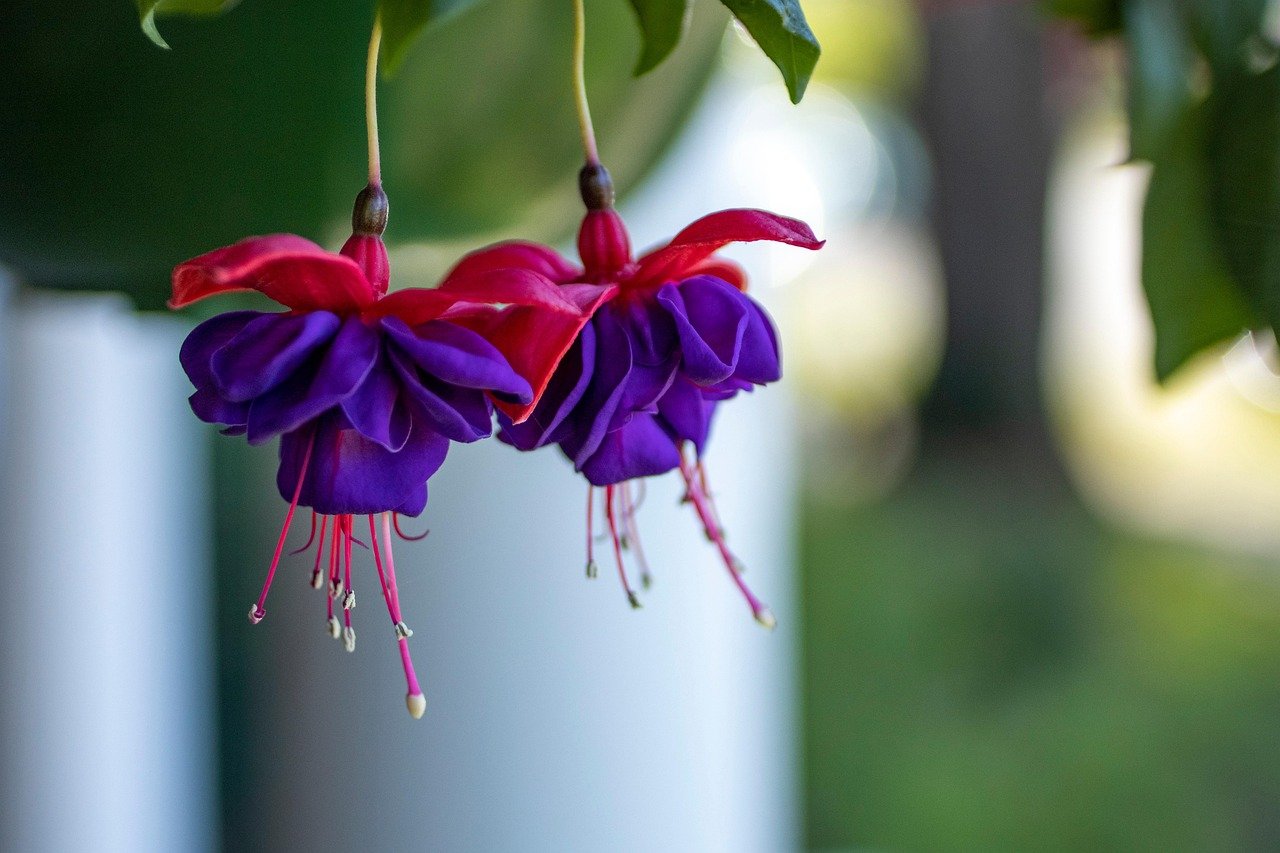
Imagine standing on a sunlit patio, a vibrant hanging basket swaying gently above, its cascading blooms drawing admiring glances from guests. The garden enthusiast reaches for the ladder, ready to replace wilted foliage, only to wonder whether the basket’s soil is too heavy, if the plant choice is wrong, or whether the water will ever reach the roots. Selecting the right hanging basket approach matters because it determines plant health, visual impact, and long‑term maintenance effort. A misstep can lead to soggy roots, cracked baskets, or a disappointing display that never reaches its full potential. This guide clears the fog, debunks persistent myths, and equips the reader with the knowledge to create thriving hanging gardens.
📝 In This Post
The Basics of Hanging Baskets
Before diving into the myths, it’s essential to grasp the fundamental principles that govern successful hanging baskets. At its core, a hanging basket is a container suspended above ground, relying on a combination of drainage, aeration, and appropriate plant selection to thrive. The container material—whether woven wicker, lightweight plastic, or sturdy metal—affects weight, water retention, and durability. Soil composition must balance moisture retention with drainage; a typical mix includes peat moss, perlite, and compost in roughly equal parts. Equally important is the watering method: because gravity pulls water away, frequent light watering often outperforms occasional deep soakings.
Here’s the key thing to understand: the micro‑environment inside a hanging basket differs markedly from a ground‑level garden bed. Heat from direct sunlight can raise soil temperature, accelerating evaporation. Wind exposure increases transpiration, demanding more frequent irrigation. Conversely, the basket’s limited soil volume means nutrients are consumed quickly, so regular feeding is vital. Recognizing these nuances prevents many of the myths that circulate among novice gardeners.
| Metric | Why It Matters |
|---|---|
| Container Material | Impacts weight, durability, and water retention. |
| Soil Mix Ratio | Balances aeration and moisture for healthy roots. |
| Watering Frequency | Prevents root rot and dehydration in a small volume. |
| Sun Exposure | Guides plant selection and watering schedule. |
Latest Hanging Basket Technologies
Self‑Wicking Soil Blocks
Self‑wicking soil blocks are pre‑formed cubes that incorporate a capillary wick, drawing water from a reservoir below the basket. This method reduces the need for daily watering and helps maintain consistent moisture.
- Plus Points:
- Provides uniform moisture distribution.
- Minimizes water waste and runoff.
- Reduces risk of over‑watering.
- Hurdles to Overcome:
- Initial cost higher than loose soil.
- Requires compatible reservoir system.
Best for: gardeners who prefer low‑maintenance watering.
Lightweight Composite Baskets
Composite baskets blend recycled plastics with natural fibers, offering a balance between durability and reduced weight. They resist rot and can support larger plantings without straining hanging hardware.
- Plus Points:
- Durable against weather extremes.
- Significantly lighter than traditional wicker.
- Eco‑friendly recycled content.
- Hurdles to Overcome:
- May feel less aesthetically traditional.
- Limited color palette compared to natural materials.
Best for: those needing strong support for heavy, mature plants.
Smart Irrigation Pods
Smart pods integrate moisture sensors with Bluetooth connectivity, allowing users to monitor soil moisture via a smartphone app and trigger irrigation automatically.
- Plus Points:
- Real‑time data prevents under‑ or over‑watering.
- Automated scheduling saves time.
- Alerts for potential issues like root rot.
- Hurdles to Overcome:
- Technology reliance may deter traditionalists.
- Requires power source or battery replacement.
Best for: tech‑savvy gardeners who enjoy data‑driven care.
Modular Hanging Systems
Modular systems consist of interchangeable hanging rings, hooks, and trays that allow quick reconfiguration of basket height and arrangement, facilitating seasonal changes.
- Plus Points:
- Highly adaptable to different spaces.
- Easy to swap baskets without tools.
- Encourages creative planting designs.
- Hurdles to Overcome:
- Initial investment in hardware.
- May require stronger anchoring points.
Best for: designers who frequently alter garden aesthetics.
Hydroponic Hanging Pods
Hydroponic pods eliminate soil entirely, using nutrient‑rich water solutions delivered through a wick or drip system, ideal for compact, fast‑growing varieties.
- Plus Points:
- Eliminates soil‑borne pests.
- Accelerates growth cycles.
- Precise nutrient control.
- Hurdles to Overcome:
- Requires regular nutrient solution preparation.
- Limited plant variety compared to soil.
Best for: experimental gardeners focused on rapid results.
| Option | Best For | Difficulty | Cost | Speed |
|---|---|---|---|---|
| Self‑Wicking Soil Blocks | Low‑maintenance watering | Medium | $$ | Moderate |
| Lightweight Composite Baskets | Heavy plant support | Easy | $ | Fast |
| Smart Irrigation Pods | Tech‑driven care | Hard | $$$ | Fast |
| Modular Hanging Systems | Frequent redesigns | Medium | $$ | Variable |
| Hydroponic Hanging Pods | Rapid growth experiments | Hard | $$$ | Very Fast |
How to Choose the Right One
Choosing the optimal hanging basket solution begins with a clear assessment of the garden space and personal goals. Weight capacity of the hanging point is the first decisive factor; a balcony railing may support only lightweight wicker, while a reinforced ceiling beam can accommodate heavier composite baskets. Next, evaluate the climate conditions—high humidity regions benefit from breathable materials, whereas arid zones may need containers that retain moisture longer.
Second, consider the plant selection. Succulents and drought‑tolerant herbs thrive in lighter, well‑draining mixes, while flowering annuals often require richer soils and more frequent feeding. If the intended plants are moisture‑heavy, such as ferns or begonias, a self‑wicking or smart irrigation system can prevent the common myth that hanging baskets always dry out quickly.
Third, factor in the maintenance budget and time. Those with limited weekly gardening windows may prefer automated smart pods or hydroponic setups that reduce hands‑on care. Conversely, gardeners who enjoy the ritual of hand‑watering will find traditional soil mixes and lightweight baskets more satisfying and cost‑effective.
Fourth, assess aesthetic preferences. Traditional woven baskets convey a classic look but may require more frequent replacement due to weathering. Modern composites or modular systems provide a sleek appearance and flexibility for seasonal redesigns, aligning with a desire for ever‑changing visual interest.
Finally, weigh the long‑term sustainability. Options that incorporate recycled materials or reduce water consumption align with environmentally conscious gardening practices, a factor many readers now prioritize alongside visual appeal.
Why People Are Paying Attention
Understanding the truth behind hanging basket myths empowers gardeners to avoid common pitfalls, such as assuming that any plant will survive in a suspended environment. By debunking the myth that heavier soil inevitably leads to basket failure, readers can confidently use nutrient‑rich mixes without fearing structural collapse.
Accurate knowledge about watering needs dispels the belief that hanging baskets require daily soaking; instead, readers learn to apply frequent light watering or adopt smart irrigation, leading to healthier root systems.
Realizing that sunlight exposure can be managed with shade cloths or strategic placement counters the myth that hanging baskets must be in full sun to thrive, expanding design possibilities for shaded patios.
Recognizing the compatibility of modern lightweight composites with larger, mature plants counters the notion that only small annuals belong in hanging displays, allowing for more dramatic floral statements.
Learning that hydroponic pods are not limited to herbs alone opens the door to a wider range of ornamental species, challenging the myth that soil‑free hanging baskets are only for culinary use.
Finally, appreciating that modular hanging systems can be reconfigured without new hardware encourages experimentation, breaking the myth that hanging basket arrangements are permanent once installed.
Worth Remembering
Success with hanging baskets hinges on matching container material, soil mix, and watering method to the specific plants and environment. Evaluate weight limits, climate, and maintenance preferences before selecting a system. By debunking common myths, gardeners can create vibrant, long‑lasting hanging displays with confidence.