75% of gardeners face challenges when it comes to seeds, and it is often due to a lack of understanding of the fundamentals. Choosing the right approach matters because it can significantly impact the yield and health of the plants. Here’s the key thing to understand: seeds are not just a starting point, but a crucial determinant of the entire growth process. Most people miss this, but the type, quality, and handling of seeds can make or break a harvest. With so much at stake, it is essential to get it right from the beginning.
📝 What You'll Learn
Breaking Down Seeds
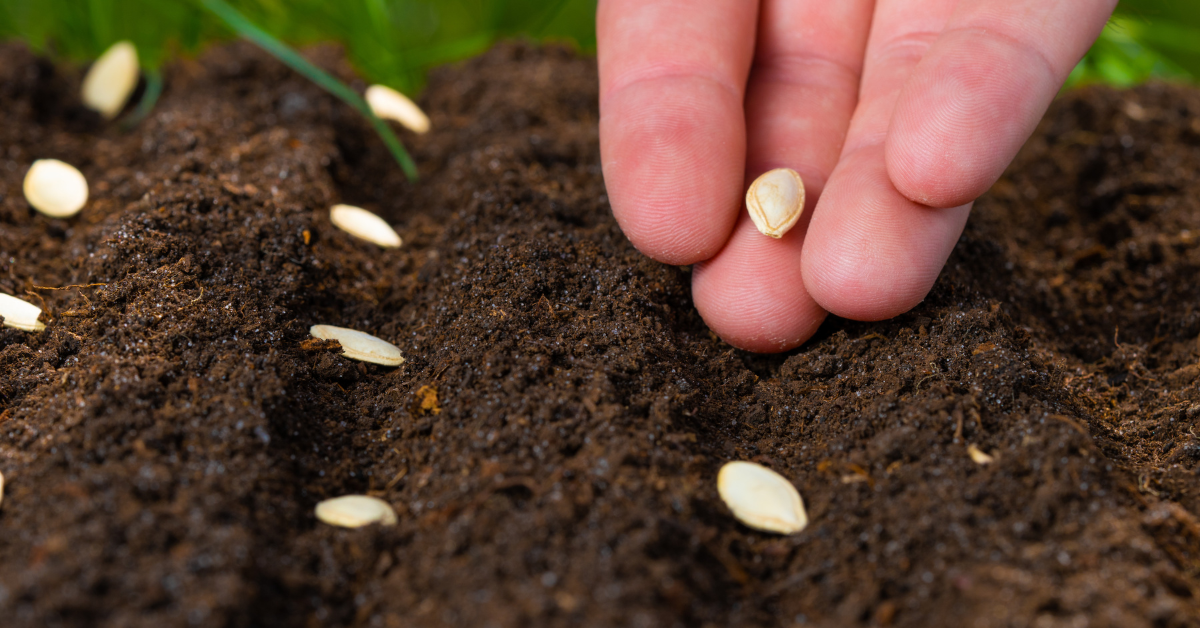
To compare and choose the right seeds, one needs to understand the basic characteristics and components of seeds. Seeds consist of the embryo, endosperm, and seed coat, each playing a vital role in the germination and growth process. Evaluating seeds based on key metrics such as germination rate, purity, and moisture content is essential for making informed decisions. The table below outlines some of the key metrics to consider when evaluating seeds.
| Metric | Description | Importance |
|---|---|---|
| Germination Rate | Percentage of seeds that germinate under optimal conditions | High importance for ensuring a good start |
| Purity | Percentage of seeds that are free from contaminants and of the desired variety | High importance for preventing the introduction of weeds or diseases |
| Moisture Content | Percentage of water in the seeds, affecting storage and germination | Medium importance for maintaining seed viability |
| Seed Size and Shape | Physical characteristics influencing planting depth and spacing | Low to medium importance depending on the specific crop |
Understanding these metrics and how they impact seed performance is crucial for gardeners. By evaluating seeds based on these key factors, gardeners can make informed decisions about which seeds to purchase and how to handle them for optimal results.
Key Seed Advancements
Hybrid Seeds
Hybrid seeds are bred for specific traits such as disease resistance, improved yield, or enhanced flavor. They offer several benefits, including increased vigor and better adaptation to environmental conditions.
- What You Gain:
- Improved disease resistance, reducing the need for pesticides
- Increased yield, providing a higher return on investment
- Enhanced flavor and texture, improving the quality of the harvest
- Known Issues:
- Hybrid seeds may not breed true, requiring annual purchases
- They can be more expensive than open-pollinated or heirloom seeds
Best for: Commercial growers and gardeners looking for high-yielding, disease-resistant crops.
Heirloom Seeds
Heirloom seeds are open-pollinated, meaning they can be saved and replanted, maintaining their unique characteristics over generations. They offer a connection to the past and can provide better flavor and texture.
- What You Gain:
- Unique flavors and textures, adding diversity to the harvest
- Ability to save seeds for future plantings, reducing costs
- Connection to heritage and cultural traditions, preserving biodiversity
- Known Issues:
- Heirloom seeds may have lower yields and be more susceptible to disease
- They can be more challenging to grow, requiring specific conditions
Best for: Gardeners interested in preserving biodiversity and cultural heritage, and those who value unique flavors and textures.
Organic Seeds
Organic seeds are grown without the use of synthetic fertilizers, pesticides, or genetically modified organisms (GMOs). They offer a chemical-free alternative, aligning with organic gardening principles.
- What You Gain:
- Chemical-free growing, reducing environmental impact
- Improved soil health, supporting long-term ecosystem balance
- Alignment with organic gardening principles, promoting sustainability
- Known Issues:
- Organic seeds may be more expensive than conventional seeds
- They can be more challenging to find, with limited availability
Best for: Gardeners committed to organic principles and seeking to minimize their environmental footprint.
Treated Seeds
Treated seeds have been coated with chemicals to improve germination, reduce disease, or enhance growth. They offer convenience and can provide better results under certain conditions.
- What You Gain:
- Improved germination rates, increasing the chances of successful growth
- Reduced disease susceptibility, protecting the crop from common pathogens
- Enhanced growth, potentially leading to higher yields
- Known Issues:
- Treated seeds may contain chemicals that can harm beneficial organisms
- They can be more expensive than untreated seeds
Best for: Gardeners seeking convenience and looking to minimize disease and pest issues.
Genetically Modified (GM) Seeds
Genetically modified seeds have been engineered to possess specific traits such as pest resistance or drought tolerance. They offer potential solutions to global food security challenges.
- What You Gain:
- Improved pest resistance, reducing the need for pesticides
- Enhanced drought tolerance, increasing crop resilience
- Potential for increased yields, supporting global food security
- Known Issues:
- GM seeds may have unintended environmental consequences
- They can be controversial, with concerns about human health and biodiversity
Best for: Commercial growers and researchers exploring solutions to global food security challenges.
| Option | Best For | Difficulty | Cost | Speed |
|---|---|---|---|---|
| Hybrid Seeds | Commercial growers | Medium | High | Fast |
| Heirloom Seeds | Home gardeners | High | Medium | Slow |
| Organic Seeds | Organic gardeners | Medium | High | Medium |
| Treated Seeds | Conventional growers | Low | Medium | Fast |
| GM Seeds | Research institutions | High | Very High | Slow |
How to Choose the Right One
Choosing the right seeds involves considering several factors, including gardening goals, soil type, climate, and personal preferences. Gardeners should evaluate their specific needs and priorities before selecting seeds. For instance, those looking for high yields and disease resistance may opt for hybrid seeds, while those interested in preserving biodiversity may prefer heirloom seeds.
Another crucial factor is seed quality, which can significantly impact germination rates and plant health. Gardeners should look for seeds from reputable suppliers, check the packaging for relevant certifications, and ensure the seeds are suitable for their specific region and climate.
In addition to these factors, gardeners should also consider seed treatment and genetic modification. Treated seeds can offer benefits such as improved germination and disease resistance, but may also contain chemicals that can harm beneficial organisms. GM seeds, on the other hand, can provide solutions to global food security challenges but may have unintended environmental consequences.
Gardeners should weigh the pros and cons of each option carefully, considering their specific needs and priorities. By doing so, they can make informed decisions and choose the seeds that best suit their gardening goals and values.
Ultimately, the choice of seeds depends on a combination of these factors and the gardener’s individual circumstances. By considering gardening experience, available resources, and personal values, gardeners can select the seeds that will give them the best chance of success and satisfaction.
Why People Are Paying Attention
People are paying attention to seeds because they recognize the importance of food security and sustainability. With the global population projected to reach 9 billion by 2050, finding ways to produce more food while minimizing environmental impact is crucial. Seeds play a vital role in this effort, as they are the starting point for most food crops.
Furthermore, there is a growing interest in organic and heirloom seeds as people seek to reconnect with their food and the environment. These types of seeds offer a chance to preserve biodiversity, promote ecosystem health, and enjoy unique flavors and textures.
In addition, technological advancements in seed development and production are attracting attention. New technologies such as genetic engineering and precision agriculture are being explored for their potential to improve crop yields, disease resistance, and water efficiency.
The economic benefits of seeds should not be overlooked either. The seed industry is a significant contributor to many economies, providing employment and income for millions of people worldwide. By investing in seed research and development, governments and private companies can support rural development and stimulate economic growth.
Moreover, seeds have cultural and historical significance, representing a connection to the past and a sense of community. Many heirloom seeds have been passed down through generations, preserving traditional knowledge and cultural heritage.
Lastly, the environmental impact of seeds is a critical consideration. The way seeds are produced, transported, and used can have significant effects on the environment, from soil degradation to water pollution. By choosing sustainable seed options and adopting environmentally friendly practices, gardeners can reduce their ecological footprint and contribute to a more sustainable food system.
Worth Remembering
The key to success with seeds lies in understanding their characteristics, evaluating their quality, and choosing the right type for specific gardening goals and conditions. By considering factors such as seed treatment, genetic modification, and environmental impact, gardeners can make informed decisions and cultivate a thriving and sustainable garden. Ultimately, the right seeds can make all the difference in achieving a bountiful harvest and promoting a healthier environment.