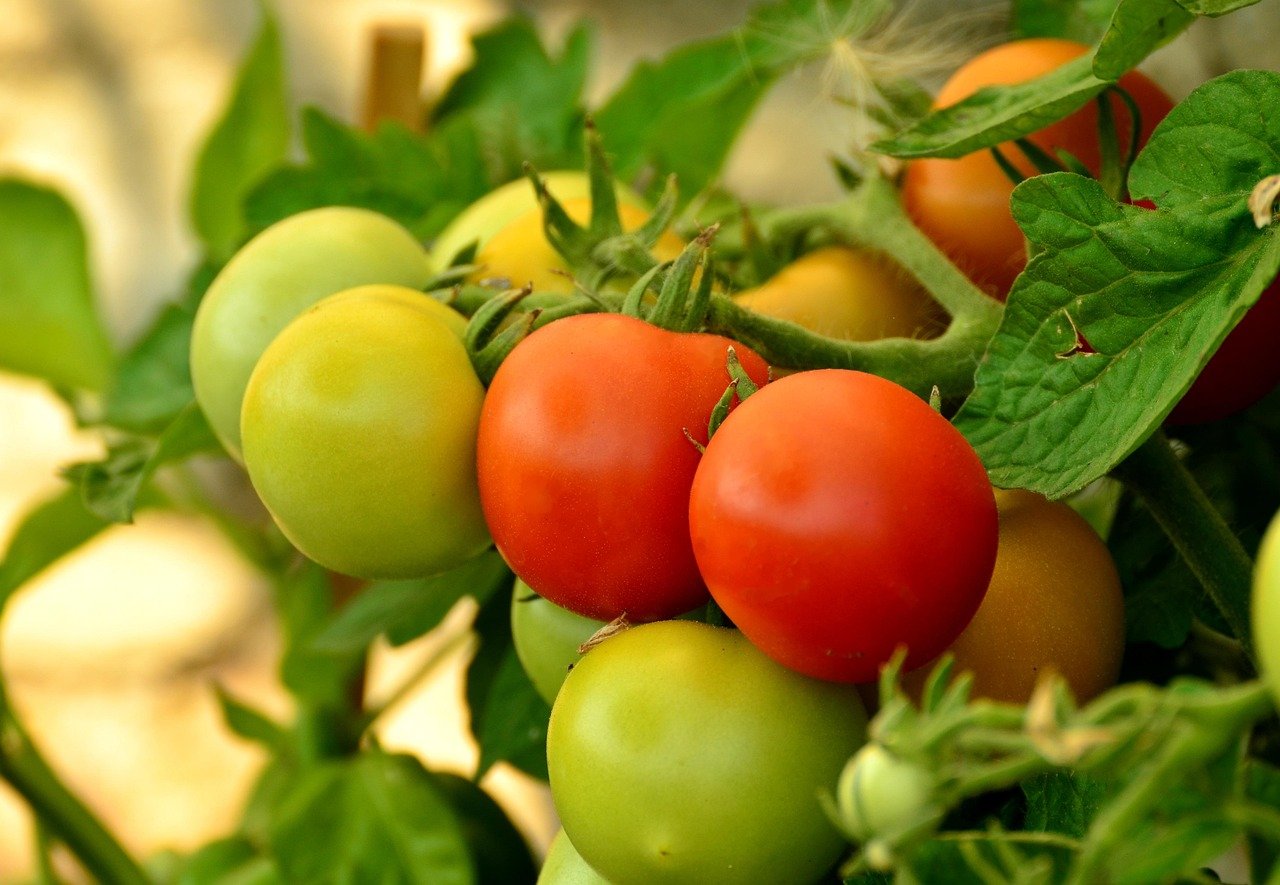
Many people who try to grow tomato plants end up making mistakes that can negatively impact their harvest – choosing the right approach matters because it can be the difference between a bountiful harvest and a disappointing one. Tomato plants are one of the most popular garden vegetables – they are relatively easy to grow, but they do require some care and attention to thrive. Improper care can lead to diseases, pests, and poor fruit production. By understanding what the most common mistakes are, gardeners can take steps to avoid them and ensure a healthy and productive harvest. Poor planning, inadequate support, and insufficient pruning are just a few of the common mistakes that can affect the health and productivity of tomato plants. Understanding how to avoid these mistakes is crucial for a successful harvest.
📝 What You'll Learn
What Is Tomato Plant Care?
Tomato plant care refers to the various techniques and strategies used to promote the healthy growth and development of tomato plants – this includes providing the right amount of water (not too much, not too little), nutrients (like fertilizer), and support (like tomato cages or trellises) to the plants. Understanding the basics of tomato plant care is essential for avoiding common mistakes and ensuring a successful harvest. One key aspect of tomato plant care is soil preparation – this involves preparing the soil before planting to ensure it has the right pH level (a measure of how acidic or alkaline the soil is), nutrient levels, and structure to support healthy plant growth. Another important aspect is pruning – this involves removing certain parts of the plant to promote healthy growth, encourage fruiting, and prevent disease.
When evaluating different approaches to tomato plant care, there are several key metrics to consider, including the type of tomato plant (determinate or indeterminate), the climate and soil conditions, and the level of support and pruning required – the table below summarizes some of the key metrics to evaluate:
| Metric | Description | Importance |
|---|---|---|
| Type of Tomato Plant | Determinate or indeterminate – determinate plants are bushy and compact, while indeterminate plants are vining and require support | High |
| Climate and Soil Conditions | Temperature, humidity, and soil pH – tomato plants prefer warm temperatures, high humidity, and slightly acidic soil | High |
| Level of Support and Pruning | Tomato cages, trellises, and pruning techniques – indeterminate plants require more support and pruning than determinate plants | Medium |
| Watering and Fertilization | Frequency and type of watering and fertilization – tomato plants require consistent moisture and fertilization to produce well | High |
Latest Tomato Plant Care Technologies
Hydroponic Systems
Hydroponic systems involve growing tomato plants in a nutrient-rich solution rather than soil – this can be a highly effective way to grow tomato plants, as it allows for precise control over the nutrient levels and pH. Hydroponic systems can be more expensive to set up than traditional soil-based systems, but they can also be more efficient and productive.
- Key Benefits:
- Increased efficiency and productivity
- Precise control over nutrient levels and pH
- Reduced water and fertilizer usage
- Drawbacks:
- Higher upfront cost
- Requires specialized equipment and knowledge
Best for: Experienced gardeners who want to maximize their yield and minimize their environmental impact.
Aeroponic Systems
Aeroponic systems involve growing tomato plants in a fine mist of nutrient-rich solution – this can be a highly effective way to grow tomato plants, as it allows for precise control over the nutrient levels and pH, and can also help to prevent disease. Aeroponic systems can be more expensive to set up than traditional soil-based systems, but they can also be more efficient and productive.
- Key Benefits:
- Increased efficiency and productivity
- Precise control over nutrient levels and pH
- Reduced water and fertilizer usage
- Drawbacks:
- Higher upfront cost
- Requires specialized equipment and knowledge
- Can be prone to clogging and maintenance issues
Best for: Experienced gardeners who want to maximize their yield and minimize their environmental impact, and are willing to invest in the necessary equipment and maintenance.
Container Gardening
Container gardening involves growing tomato plants in containers or pots – this can be a highly effective way to grow tomato plants, as it allows for precise control over the soil and nutrient levels, and can also help to prevent disease. Container gardening can be more expensive to set up than traditional soil-based systems, but it can also be more efficient and productive.
- Key Benefits:
- Increased efficiency and productivity
- Precise control over soil and nutrient levels
- Reduced water and fertilizer usage
- Drawbacks:
- Higher upfront cost
- Requires specialized equipment and knowledge
- Can be prone to drying out and nutrient deficiencies
Best for: Gardeners who want to grow tomato plants in a small space, such as a balcony or patio, and are willing to invest in the necessary equipment and maintenance.
Vertical Gardening
Vertical gardening involves growing tomato plants up a trellis or other support – this can be a highly effective way to grow tomato plants, as it allows for precise control over the soil and nutrient levels, and can also help to prevent disease. Vertical gardening can be more expensive to set up than traditional soil-based systems, but it can also be more efficient and productive.
- Key Benefits:
- Increased efficiency and productivity
- Precise control over soil and nutrient levels
- Reduced water and fertilizer usage
- Drawbacks:
- Higher upfront cost
- Requires specialized equipment and knowledge
- Can be prone to drying out and nutrient deficiencies
Best for: Gardeners who want to grow tomato plants in a small space, such as a balcony or patio, and are willing to invest in the necessary equipment and maintenance.
Biodynamic Gardening
Biodynamic gardening involves growing tomato plants using a holistic approach that takes into account the entire ecosystem – this can be a highly effective way to grow tomato plants, as it allows for precise control over the soil and nutrient levels, and can also help to prevent disease. Biodynamic gardening can be more time-consuming and labor-intensive to set up than traditional soil-based systems, but it can also be more efficient and productive.
- Key Benefits:
- Increased efficiency and productivity
- Precise control over soil and nutrient levels
- Reduced water and fertilizer usage
- Drawbacks:
- Higher upfront cost
- Requires specialized equipment and knowledge
- Can be prone to disease and pests
Best for: Gardeners who want to grow tomato plants using a holistic approach that takes into account the entire ecosystem, and are willing to invest in the necessary equipment and maintenance.
| Option | Best For | Difficulty | Cost | Speed |
|---|---|---|---|---|
| Hydroponic Systems | Experienced gardeners who want to maximize their yield and minimize their environmental impact | High | High | Fast |
| Aeroponic Systems | Experienced gardeners who want to maximize their yield and minimize their environmental impact, and are willing to invest in the necessary equipment and maintenance | High | High | Fast |
| Container Gardening | Gardeners who want to grow tomato plants in a small space, such as a balcony or patio, and are willing to invest in the necessary equipment and maintenance | Medium | Medium | Medium |
| Vertical Gardening | Gardeners who want to grow tomato plants in a small space, such as a balcony or patio, and are willing to invest in the necessary equipment and maintenance | Medium | Medium | Medium |
| Biodynamic Gardening | Gardeners who want to grow tomato plants using a holistic approach that takes into account the entire ecosystem, and are willing to invest in the necessary equipment and maintenance | High | High | Slow |
How to Choose the Right One
Choosing the right approach to tomato plant care depends on several factors, including the type of tomato plant, the climate and soil conditions, and the level of support and pruning required – climate and soil conditions are critical factors to consider, as they can affect the health and productivity of the plants. Gardeners should also consider their own level of experience and knowledge, as some approaches may require more specialized equipment and techniques. Another important factor to consider is the level of support and pruning required, as indeterminate plants require more support and pruning than determinate plants.
When evaluating different approaches to tomato plant care, gardeners should consider the cost and difficulty of each option – some approaches, such as hydroponic and aeroponic systems, can be more expensive and difficult to set up than others, but they can also be more efficient and productive. Gardeners should also consider the speed and productivity of each option, as some approaches can produce faster and more abundant yields than others.
Ultimately, the right approach to tomato plant care will depend on the individual gardener’s needs and goals – experience and knowledge are critical factors to consider, as some approaches may require more specialized equipment and techniques. Gardeners should also consider their own available space and resources, as some approaches may require more space or equipment than others.
By considering these factors and evaluating the different approaches to tomato plant care, gardeners can choose the right one for their needs and goals – research and planning are key to success, as gardeners should research different approaches and plan carefully before making a decision. Gardeners should also consider seeking advice from experienced gardeners, as they can provide valuable insights and guidance.
Additionally, gardeners should consider the long-term benefits of each approach, as some may provide more long-term benefits than others – for example, biodynamic gardening can provide long-term benefits for the soil and ecosystem, while hydroponic and aeroponic systems can provide long-term benefits for the environment. Gardeners should also consider the potential risks and challenges of each approach, as some may pose more risks and challenges than others.
The Impact on Consumers
Choosing the right approach to tomato plant care can have a significant impact on consumers, as it can affect the quality and availability of fresh tomatoes – when gardeners choose the right approach, they can produce high-quality, flavorful tomatoes that are rich in nutrients and antioxidants. This can have a positive impact on consumers, as they can enjoy a healthy and delicious addition to their meals.
In addition to the quality and availability of fresh tomatoes, choosing the right approach to tomato plant care can also have a positive impact on the environment – for example, hydroponic and aeroponic systems can reduce water and fertilizer usage, while biodynamic gardening can promote soil health and biodiversity. This can have a positive impact on consumers, as they can feel good about the environmental impact of their food choices.
Furthermore, choosing the right approach to tomato plant care can also have a positive impact on the local economy – when gardeners choose to grow their own tomatoes, they can support local businesses and promote local economic development. This can have a positive impact on consumers, as they can enjoy fresh, locally grown produce while also supporting their local community.
Choosing the right approach to tomato plant care can also have a positive impact on food security – when gardeners choose to grow their own tomatoes, they can have a steady supply of fresh produce, even in times of scarcity or uncertainty. This can have a positive impact on consumers, as they can enjoy a steady supply of healthy and delicious food.
In addition to these benefits, choosing the right approach to tomato plant care can also have a positive impact on community development – when gardeners choose to grow their own tomatoes, they can connect with their community and promote social cohesion. This can have a positive impact on consumers, as they can feel connected to their community and enjoy a sense of belonging.
Finally, choosing the right approach to tomato plant care can also have a positive impact on personal health and well-being – when gardeners choose to grow their own tomatoes, they can enjoy a sense of pride and accomplishment, as well as a connection to nature and the outdoors. This can have a positive impact on consumers, as they can enjoy a sense of fulfillment and happiness.
One Last Thing
Choosing the right approach to tomato plant care is a critical decision that can have a significant impact on the health and productivity of the plants – by considering factors such as climate and soil conditions, level of support and pruning required, and cost and difficulty, gardeners can choose the right approach for their needs and goals. Gardeners should also consider seeking advice from experienced gardeners and doing their research before making a decision.
By following these guidelines and choosing the right approach to tomato plant care, gardeners can enjoy a healthy and productive harvest – and by considering the potential impact on consumers, gardeners can also promote a positive impact on their community and the environment. With the right approach, gardeners can enjoy a rewarding and fulfilling experience growing their own tomatoes.
To wrap up, choosing the right approach to tomato plant care is a critical decision that requires careful consideration and planning – by considering the various factors and approaches outlined Here, gardeners can make an informed decision and enjoy a successful and rewarding experience growing their own tomatoes.