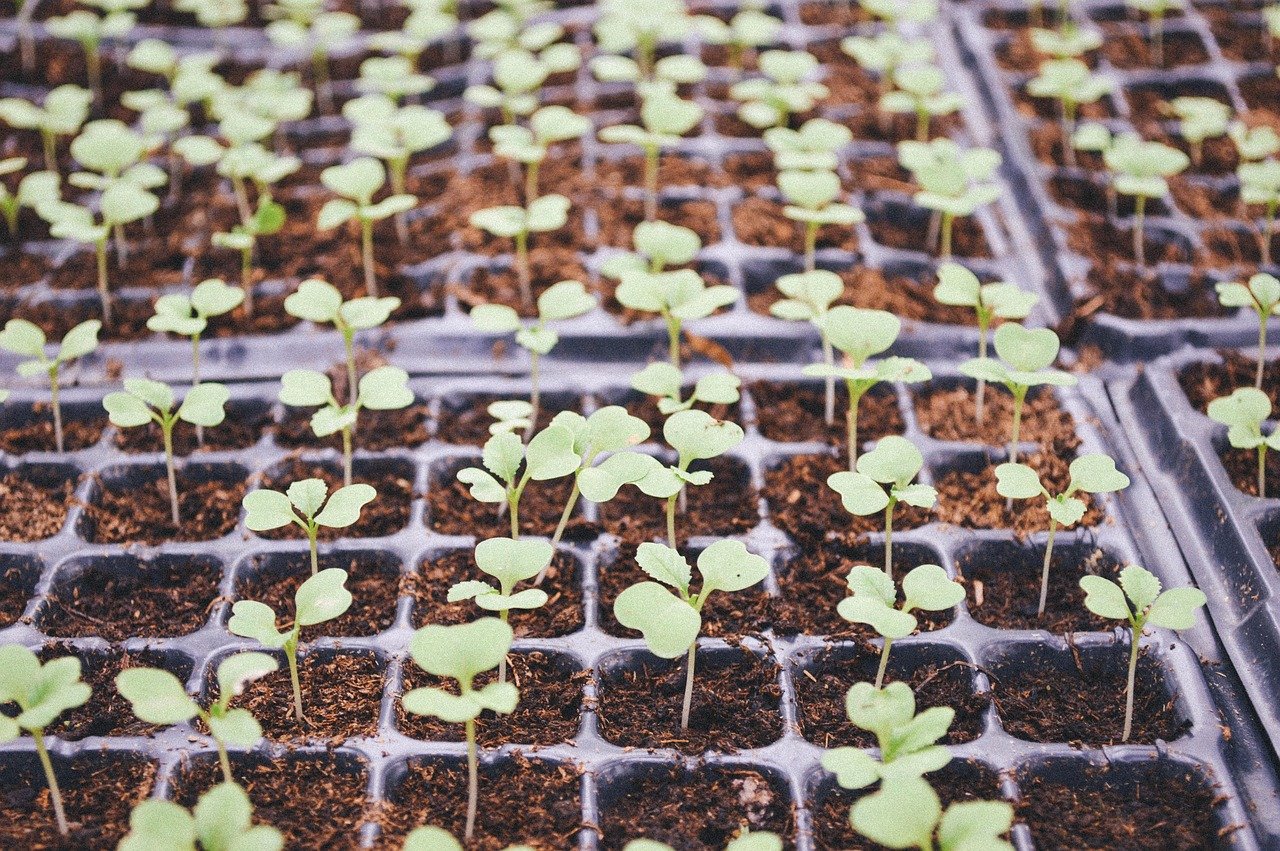
Choosing the right potting mix has become a hot topic among indoor gardeners because the health of a plant often hinges more on the soil it lives in than on sunlight or watering frequency. With a flood of ready‑made mixes promising “premium” performance, it can feel overwhelming to decide which product—or DIY blend—will give a plant the best chance to thrive. Selecting the correct approach matters because a suitable mix provides proper drainage, aeration, moisture retention, and nutrients, while a poor mix can lead to root rot, nutrient deficiencies, and stunted growth. Understanding the fundamentals of potting mix composition helps prevent costly trial‑and‑error, saves time, and ultimately results in healthier, more vibrant plants. This guide offers an honest, step‑by‑step comparison of the most popular potting mix options, highlighting strengths, weaknesses, and ideal use cases so readers can make a confident, informed decision.
📝 What You'll Learn
Breaking Down Potting Mix
Before diving into specific products, it helps to grasp the basic building blocks of a potting mix. A potting mix is a soilless growing medium—meaning it contains little to no natural garden soil—designed to support container plants. The main components typically include organic matter (such as peat moss, coconut coir, or compost) that holds water and nutrients, inorganic mineral particles (like perlite, vermiculite, or pumice) that improve aeration and drainage, and sometimes fertilizer additives (slow‑release granules or liquid concentrates) that supply nutrients over time. Each ingredient plays a specific role: organic matter acts like a sponge, inorganic particles act like a lattice that prevents the sponge from becoming too soggy, and fertilizers act like a timed release of food for the plant.
Another crucial concept is pH (pronounced “pee‑aych”)—the measure of acidity or alkalinity in the mix. Most houseplants prefer a slightly acidic to neutral range (pH 5.5‑7.0). A mix that is too acidic can lock out certain nutrients, while a mix that is too alkaline can cause nutrient imbalances. Finally, sterility—the absence of pests, pathogens, and weed seeds—helps protect young roots from disease. Commercial mixes are often sterilized, while DIY blends may need an extra step such as baking the mixture to eliminate unwanted organisms.
| Metric | Why It Matters |
|---|---|
| Drainage | Prevents water from pooling around roots, reducing root rot risk. |
| Water Retention | Ensures roots have consistent moisture without becoming soggy. |
| Aeration | Provides oxygen to roots, essential for healthy respiration. |
| Nutrient Content | Supplies the essential minerals plants need to grow. |
Top Potting Mix Innovations to Know
1. Premium Peat‑Based Mix with Perlite
This classic blend combines peat moss—a highly absorbent organic material—with perlite, a lightweight, expanded volcanic glass that improves drainage and aeration. The mix offers a balanced water‑holding capacity while staying light enough for most indoor containers.
- Why It Works:
- Peat provides excellent moisture retention, mimicking natural forest floor conditions.
- Perlite creates air pockets, preventing compaction and promoting healthy root breathing.
- Often pre‑fertilized, giving seedlings an early nutrient boost.
- Drawbacks:
- Peat extraction raises environmental concerns due to habitat loss.
- Can become overly acidic over time, requiring pH adjustments.
Best for: General‑purpose houseplants and seedlings that need a reliable, all‑round mix.
2. Coconut Coir Blend with Vermiculite
Coconut coir—fibrous material from coconut husks—replaces peat with a more sustainable alternative. Vermiculite, a heat‑expanded mica, adds water‑holding capacity and a slight nutrient release.
- Why It Works:
- Coir is renewable and has a neutral pH, reducing the need for pH correction.
- Vermiculite holds water and nutrients, slowly releasing them to plant roots.
- Lightweight yet sturdy, ideal for larger containers.
- Drawbacks:
- Coir can retain salts if not properly rinsed before use.
- Vermiculite is more expensive than perlite, raising overall cost.
Best for: Eco‑conscious growers and plants that prefer consistent moisture.
3. Orchid Bark Mix with Charcoal
This mix is tailored for epiphytic orchids and other air‑rooted plants. It combines chunky bark pieces with activated charcoal, which helps absorb impurities and maintain a clean root environment.
- Why It Works:
- Bark provides excellent drainage and mimics the plant’s natural tree‑branch habitat.
- Charcoal filters out toxins and reduces fungal growth.
- Low water retention prevents root rot in moisture‑sensitive species.
- Drawbacks:
- Very fast draining; may require frequent watering for less tolerant plants.
- Bark can decompose over time, altering mix structure.
Best for: Orchids, bromeliads, and other epiphytes that need airy, well‑draining media.
4. DIY All‑Purpose Mix (Peat, Perlite, Compost)
This homemade blend lets gardeners customize ratios to suit specific plant needs. A common recipe is 1 part peat, 1 part perlite, and 1 part compost, offering a balanced blend of moisture retention, aeration, and nutrients.
- Why It Works:
- Allows precise control over component ratios for tailored performance.
- Compost adds a natural source of nutrients and beneficial microbes.
- Cost‑effective, especially for large‑scale projects.
- Drawbacks:
- Requires time and knowledge to source and sterilize ingredients.
- Potential for uneven nutrient distribution if compost quality varies.
Best for: DIY enthusiasts and gardeners who enjoy fine‑tuning their growing media.
5. Ready‑Made Specialty Mix for Succulents & Cacti
Formulated specifically for drought‑tolerant plants, this mix typically combines coarse sand, pumice, and a small amount of organic matter to create a gritty, fast‑draining medium.
- Why It Works:
- Coarse sand and pumice provide rapid drainage, preventing water‑logged roots.
- Low organic content reduces the risk of fungal issues in dry‑soil environments.
- Often pre‑adjusted to a neutral pH suitable for succulents.
- Drawbacks:
- May retain too little moisture for plants that prefer consistent humidity.
- Higher cost compared to generic mixes due to specialized ingredients.
Best for: Succulents, cacti, and other xerophytic plants that need excellent drainage.
Master Comparison Table
| Option | Best For | Difficulty | Cost | Drainage & Aeration |
|---|---|---|---|---|
| Premium Peat‑Based Mix with Perlite | General houseplants | Easy | Moderate | Good balance |
| Coconut Coir Blend with Vermiculite | Eco‑friendly growers | Easy | Slightly higher | Excellent water retention, decent aeration |
| Orchid Bark Mix with Charcoal | Orchids & epiphytes | Medium | Higher | Very high drainage |
| DIY All‑Purpose Mix | Customizable projects | Medium‑Hard | Low (ingredients sourced) | Adjustable |
| Specialty Succulent & Cactus Mix | Drought‑tolerant plants | Easy | Moderate‑High | Very fast drainage |
How to Choose the Right One
First, consider the plant type. Plants with delicate, moisture‑loving roots—such as ferns or tropical foliage—benefit from mixes that hold water without becoming soggy, making peat‑based or coir blends ideal. Conversely, plants that naturally grow in arid conditions—like succulents and cacti—require a gritty, fast‑draining medium to avoid root rot.
Second, evaluate the container size and material. Larger, porous pots (like terracotta) allow more evaporation, so a mix with higher water‑holding capacity can compensate. In contrast, non‑porous containers (plastic, glazed ceramic) retain more moisture, so a mix that drains quickly prevents excess buildup.
Third, assess maintenance preferences. If the grower prefers a set‑and‑forget approach, a pre‑fertilized commercial mix reduces the need for supplemental feeding. For those who enjoy fine‑tuning, a DIY blend offers the flexibility to adjust nutrient levels and texture over time.
Fourth, factor in environmental impact. Peat extraction contributes to habitat loss, while coconut coir is a renewable by‑product of the food industry. Choosing a sustainable option aligns with broader ecological goals without sacrificing performance.
Finally, think about budget and availability. Specialty mixes can be pricey and may only be stocked at niche nurseries, whereas generic peat‑perlite blends are widely available and cost‑effective. Balancing cost with desired performance ensures the chosen mix fits both the garden’s needs and the gardener’s wallet.
Why This Matters to You
Using the right potting mix directly influences a plant’s ability to absorb water and nutrients, which translates to healthier foliage, more vibrant blooms, and longer lifespan. Proper drainage prevents root rot, a common cause of sudden plant decline that can be avoided with the appropriate medium. A well‑balanced mix reduces the frequency of repotting because roots have room to expand without becoming cramped.
Choosing a mix with the correct pH helps ensure that essential nutrients remain available to the plant, minimizing deficiencies that manifest as yellowing leaves or stunted growth. Sustainable mixes such as coconut coir lessen environmental footprints, allowing gardeners to feel good about their hobby’s impact on the planet.
When a mix matches a plant’s natural habitat—like bark for orchids—the plant experiences less stress, leading to more prolific flowering and stronger root systems. Consistent moisture levels provided by a suitable mix make watering schedules more predictable, saving time and reducing the guesswork that often leads to over‑ or under‑watering.
Additionally, a mix that includes beneficial microbes (found in high‑quality compost) can improve soil health, fostering a micro‑ecosystem that supports plant immunity and overall vigor. Finally, understanding potting mix fundamentals empowers gardeners to troubleshoot issues confidently, turning potential setbacks into learning opportunities.
Key Takeaways
Choosing the right potting mix starts with matching the medium’s drainage, water retention, and nutrient profile to the specific needs of the plant. Comparing commercial options and DIY blends side by side reveals trade‑offs in sustainability, cost, and performance. By evaluating plant type, container, maintenance style, and environmental considerations, gardeners can select a mix that promotes healthy growth and long‑term success.