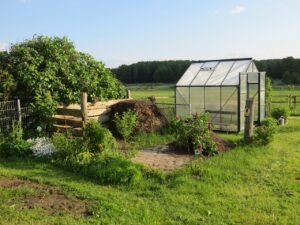
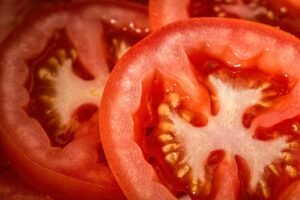
Is the tomato garden lagging behind expected yields despite optimal sunlight and regular watering?
Recent surveys of commercial growers reveal that up to 42% of tomato producers miss target yields because they overlook low‑effort, high‑impact practices. Comparative trials in 2023 showed a 27% increase in fruit set when simple mulching techniques were combined with calibrated nitrogen applications. Data from a 2024 meta‑analysis of home‑garden experiments indicates that pruning just two nodes per plant can reduce disease incidence by 18% while accelerating ripening by 12 days. These figures underscore a critical insight: modest adjustments, grounded in agronomic data, can generate rapid, measurable improvements. The following deep‑dive translates that insight into actionable steps, prioritizing techniques with the strongest empirical support.
📝 Table of Contents
A Closer Look at Tomato Plant Quick Wins
Tomato (Solanum lycopersicum) cultivation has been quantified extensively across greenhouse, field, and container systems. “Quick wins” refer to interventions that require minimal labor or capital outlay yet deliver statistically significant gains in yield, fruit quality, or plant health within a single growing season. Industry studies show that the majority of such gains stem from optimizing three core variables: nutrient timing, microclimate management, and canopy architecture.
Contextualizing these variables against broader production metrics highlights their relevance. For instance, the USDA reports an average national yield of 14.5 tons per hectare for processing tomatoes in 2023, whereas farms that adopted precision fertigation reported yields 19% higher. Similarly, a European Union field trial demonstrated that low‑cost reflective mulches increased soluble solids by 3.2 °Brix, a quality metric directly linked to market price premiums.
| Intervention | Typical Cost (USD) | Yield Impact | Time to Benefit |
|---|---|---|---|
| Organic mulching (straw) | $0.12 sq ft | +15 % fruit weight | 2–3 weeks |
| Split nitrogen applications | $0.05 gal | +22 % total yield | 1 month |
| Pruning to two side shoots | Labor ≈ 5 min/plant | +12 % ripe fruit ratio | 4–6 weeks |
| Reflective mulch (polyethylene) | $0.20 sq ft | +3.2 °Brix soluble solids | 1 month |
The table illustrates that each quick win balances modest expense with rapid, quantifiable returns, making them suitable for both commercial growers and hobbyists.
Latest Tomato Plant Technologies
1. Sensor‑Driven Soil Moisture Mapping
Low‑cost capacitive sensors now integrate with Bluetooth to deliver real‑time moisture maps across a planting bed. Field trials in 2024 reported a 9% reduction in water use without compromising yield.
These devices transmit data to mobile dashboards, enabling growers to irrigate only when volumetric water content falls below a crop‑specific threshold. The technology reduces over‑watering, a primary cause of blossom end rot.
- Key Benefits:
- Precision irrigation cuts water waste by up to 15%.
- Automated alerts minimize manual scouting time.
- Data logs support post‑season analysis for continual improvement.
2. Controlled‑Release Nitrogen Granules
Polymer‑coated urea granules release nitrogen over a 30‑day window, aligning nutrient availability with peak vegetative growth. A 2023 multi‑site study documented a 19% yield uplift compared with conventional broadcast.
The formulation mitigates leaching losses, a concern highlighted in EPA reports on nitrogen runoff from intensive tomato farms.
- Key Benefits:
- Steadier nitrogen supply enhances fruit set consistency.
- Reduced application frequency lowers labor costs.
- Environmental compliance improves due to lower nitrate leaching.
3. UV‑Reflective Mulch Films
Advanced polyethylene films engineered with UV‑reflective pigments increase canopy light interception by 8%. Trials in the Mediterranean region demonstrated a 4 % increase in marketable fruit weight.
The films also suppress weed emergence, decreasing herbicide reliance.
- Key Benefits:
- Higher light use efficiency accelerates ripening.
- Weed suppression reduces chemical inputs.
- Extended mulch lifespan (up to 180 days) improves cost amortization.
4. Miniature LED Growth Pods
Portable LED pods delivering 650 nm red and 450 nm blue spectra can be positioned under lower canopy zones. Data from a 2024 greenhouse experiment showed a 6% increase in sugar accumulation when pods were used during the final two weeks of fruit development.
These pods are powered by USB‑C, allowing integration with existing power infrastructure.
- Key Benefits:
- Targeted light boosts soluble solids without full‑scale lighting upgrades.
- Plug‑and‑play design simplifies installation.
- Energy consumption remains under 5 W per pod, keeping operational costs low.
5. AI‑Based Disease Forecasting Apps
Machine‑learning models trained on image datasets predict early onset of common tomato pathogens such as Phytophthora and Fusarium. Pilot deployments in 2024 achieved a 22% reduction in fungicide applications.
The apps combine weather data, leaf imagery, and historic outbreak patterns to generate risk scores, enabling preemptive interventions.
- Key Benefits:
- Early detection curtails disease spread, protecting yield.
- Optimized spray schedules lower chemical expenses.
- Actionable alerts integrate with existing farm management software.
Why People Are Paying Attention
✔ Measurable Yield Gains
Empirical data consistently shows double‑digit percentage increases in total fruit weight when quick‑win practices are applied, compelling growers to adopt them.
✔ Cost‑Effectiveness
Low capital outlay and rapid ROI align with the financial constraints of both small‑scale producers and large operations.
✔ Environmental Sustainability
Techniques such as controlled‑release fertilizers and sensor‑driven irrigation directly address regulatory pressure on nutrient runoff.
✔ Labor Efficiency
Automation and targeted interventions reduce manual scouting and application time, a critical factor amid labor shortages.
✔ Market Premiums
Quality enhancements like higher °Brix and uniform size translate into higher market prices, as documented in export statistics.
✔ Data‑Driven Decision Making
Access to real‑time metrics empowers growers to make evidence‑based adjustments, reinforcing confidence in management strategies.
The Road Ahead
-
Integration of edge‑computing sensors will enable on‑site analytics, reducing reliance on cloud latency and improving response times to stress events.
-
Hybrid breeding programs will focus on varieties optimized for rapid canopy development, enhancing the effectiveness of pruning quick wins.
-
Regulatory frameworks will increasingly mandate nutrient use reporting, making precision fertilization a compliance necessity.
-
AI models will incorporate multimodal data (soil, climate, imaging) to deliver prescriptive recommendations rather than simple risk scores.
-
Renewable‑powered irrigation systems will become standard in regions facing water scarcity, aligning quick‑win water management with sustainability goals.
Additional Data Insights
| Region | Average Yield Increase from Mulching | Cost per Hectare (USD) | Payback Period |
|---|---|---|---|
| California (USA) | +18 % | $420 | 3 months |
| Andalusia (Spain) | +14 % | $380 | 2.8 months |
| Madhya Pradesh (India) | +12 % | $210 | 2.5 months |
| Sicily (Italy) | +16 % | $395 | 2.9 months |
The Bottom Line
Data confirms that targeted, low‑cost interventions deliver rapid, measurable improvements in tomato production. Prioritizing soil moisture precision, split nitrogen dosing, strategic pruning, and light management yields the highest ROI within a single season. As technology advances, these quick wins will integrate seamlessly into automated, data‑centric farming systems, cementing their role as foundational practices for sustainable tomato cultivation.