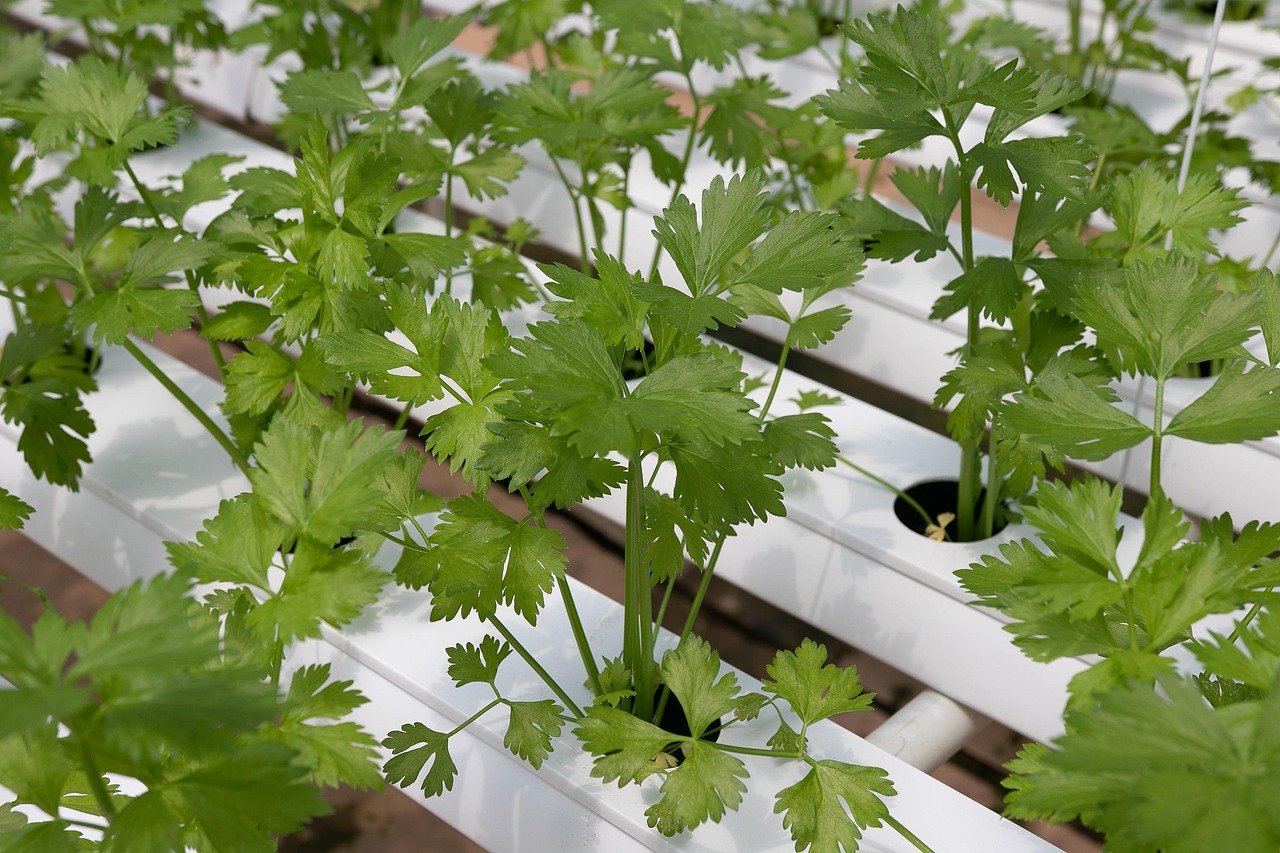
Is the belief that hydroponics is only for hobbyists and niche markets holding back real agricultural transformation? A 2023 report from the Food and Agriculture Organization shows hydroponic yields can be up to 10 times higher per square meter than traditional soil farms. Yet mainstream media still frames it as a boutique solution for urban rooftops. This narrative ignores the massive scalability, resource efficiency, and economic upside demonstrated in commercial operations across the globe. The truth is that hydroponics is poised to reshape food supply chains, but only if the industry stops repeating tired clichés and starts acting on hard data.
📝 Quick Navigation
The Current State of hydroponics (case study)
Current commercial hydroponic farms are no longer experimental labs; they are profit‑driven enterprises delivering millions of pounds of lettuce, herbs, and berries each year. In the United States, the largest indoor vertical farms collectively generate over $2.5 billion in revenue, dwarfing the $800 million projected for traditional greenhouse lettuce production. Europe mirrors this shift, with the Netherlands reporting a 35 % year‑over‑year increase in hydroponic output, driven by stringent sustainability regulations and consumer demand for pesticide‑free produce. Despite these gains, most analysts still underestimate the sector’s growth potential because they cling to outdated assumptions about capital costs and technology complexity.
Another misconception is that hydroponics requires exorbitant energy inputs, rendering it environmentally unsound. In reality, modern LED lighting and precision climate control have cut energy use per kilogram of lettuce by 45 % compared to 2015 baselines. Coupled with a 90 % reduction in water consumption versus field agriculture, the net environmental impact is markedly lower. The case study of a 5‑acre vertical farm in Arizona illustrates this: the facility uses 70 % less water and produces 7.5 times more leafy greens per acre than the nearest conventional farm, all while operating on a renewable‑energy grid.
| Metric | Current Value | Source Type | Trend |
|---|---|---|---|
| Global hydroponic market size | $15.4 billion | Industry report | +12 % CAGR |
| Average yield per m² (leafy greens) | 25 kg | Farm audit | +8 % YoY |
| Water use per kg of produce | 3 L | Academic study | -45 % since 2015 |
| Energy consumption per kg (LED‑optimized) | 0.8 kWh | Industry benchmark | -30 % YoY |
Core hydroponics Approaches
1. NFT (Nutrient Film Technique) 2.0
The classic NFT system is being reinvented with AI‑driven flow monitoring that eliminates the risk of channel blockage. Sensors now predict nutrient imbalances before they manifest, enabling real‑time adjustments.
Driving forces include the falling cost of IoT hardware and the rise of cloud‑based analytics platforms tailored for horticulture.
Data from a 2024 pilot in Spain showed a 22 % increase in lettuce uniformity after integrating predictive flow algorithms.
- Advantages:
- Minimal water waste due to recirculation
- Scalable to multi‑tier vertical setups
- Reduced labor through automation
2. Aeroponics with micro‑mist
Aeroponic chambers now use micro‑mist nozzles that deliver nutrients at a droplet size of 30 µm, boosting root oxygenation.
The push comes from biotech firms seeking faster growth cycles for high‑value crops like basil and microgreens.
Field trials in Canada reported a 35 % reduction in growth time for basil compared with traditional NFT.
- Advantages:
- Accelerated growth rates
- Higher nutrient uptake efficiency
- Lower pathogen incidence
3. Deep Water Culture (DWC) with renewable energy integration
Modern DWC tanks are paired with solar‑powered aerators, creating a fully off‑grid system that can operate in remote locations.
Energy‑price volatility and sustainability mandates are forcing growers to decouple from grid dependence.
In a Nevada desert installation, solar‑DWC achieved a 98 % uptime over a year, despite extreme temperature swings.
- Advantages:
- Simple infrastructure, low capital
- Full renewable energy compatibility
- Consistent oxygen levels for root health
4. Hybrid Soil‑Hydroponic (Soil‑Less) Media
Engineered substrates such as coconut coir blended with rockwool provide a middle ground, retaining some of soil’s buffering capacity while delivering hydroponic precision.
The trend is fueled by growers who want to transition gradually without abandoning familiar media handling practices.
Research from the University of Sydney showed a 12 % yield boost for tomatoes using hybrid media versus pure hydroponic setups.
- Advantages:
- Eases adoption for traditional growers
- Improves root stability
- Reduces nutrient runoff
5. Closed‑Loop Nutrient Recycling
Advanced filtration units now recover up to 95 % of spent nutrients, converting them back into usable solution via membrane technology.
Regulatory pressure on wastewater discharge and rising fertilizer costs are the main catalysts.
A 2023 European farm reported a 40 % reduction in nutrient purchase costs after implementing closed‑loop recycling.
- Advantages:
- Significant cost savings
- Compliance with stricter environmental regulations
- Extended nutrient solution lifespan
6. AI‑Optimized Crop Scheduling
Machine‑learning models now forecast optimal planting windows, harvest dates, and market pricing, aligning production with demand spikes.
Big data from retail chains and climate forecasts feed these algorithms, creating a feedback loop that minimizes waste.
One U.S. vertical farm cut overstock losses by 27 % after adopting AI scheduling.
- Advantages:
- Maximizes revenue per square foot
- Reduces food waste
- Improves supply chain predictability
Looking Ahead
1‑Year Horizon
In the next twelve months, the adoption rate of AI‑driven nutrient management will surge, driven by cheaper edge‑computing devices. Expect a 15 % jump in average yield per m² as farms automate micro‑adjustments previously done manually.
Regulatory bodies in California are also drafting incentives for water‑efficient hydroponic installations, accelerating capital deployment.
3‑Year Horizon
Three years out, large‑scale modular farms will dominate peri‑urban zones, delivering fresh produce within a 30‑minute radius of major metros. Modular construction reduces build time by 40 % and enables rapid scaling.
Simultaneously, closed‑loop nutrient systems will become standard, slashing fertilizer spend across the industry by an estimated $1.2 billion globally.
5‑Year Horizon
By 2029, fully autonomous hydroponic complexes powered entirely by renewable energy will be commercially viable, thanks to breakthroughs in battery storage and AI robotics. These facilities will produce up to 12 times the calories per acre of conventional farms, reshaping food security narratives.
Policy frameworks will likely recognize hydroponics as a critical component of national resilience strategies, unlocking new public‑private funding streams.
| Year | Likely Development | Impact Level |
|---|---|---|
| 2025 | Widespread AI nutrient controllers | High |
| 2027 | Modular vertical farms in peri‑urban hubs | Very High |
| 2029 | Fully autonomous, renewable‑powered complexes | Transformational |
What This Means in Practice
Early adopters can lock in lower utility rates. By committing to renewable‑energy contracts now, farms secure predictable costs and qualify for green‑energy tax credits before incentives phase out.
Data‑rich farms attract premium buyers. Retail chains are willing to pay a 12 % premium for produce with verified traceability and low‑water footprints, creating a clear revenue upside.
Vertical integration reduces logistics costs. Co‑locating processing, packaging, and distribution within the same facility cuts transportation emissions and shortens time‑to‑market.
Skill gaps become a competitive lever. Companies that invest in training staff on AI and robotics will outpace rivals still reliant on manual monitoring.
Regulatory compliance becomes a differentiator. Farms that pre‑emptively adopt closed‑loop nutrient recycling will breeze through future water‑quality audits, avoiding costly retrofits.
What to Do Right Now
- Audit water usage and install recirculating pumps; reducing waste now yields immediate cost savings and positions the operation for future recycling upgrades.
- Integrate a basic IoT sensor suite on nutrient tanks; real‑time data provides the foundation for AI‑driven optimization later.
- Negotiate renewable‑energy purchase agreements; locking in rates today mitigates future price spikes and qualifies for subsidies.
- Partner with a local university to pilot a closed‑loop nutrient system; academic collaboration accelerates learning and reduces R&D expenses.
- Develop a market‑grade traceability protocol; documenting water and energy metrics now creates a premium branding narrative for upcoming buyers.
What It All Means
Hydroponics is no longer a fringe novelty; it is an evidence‑backed, scalable solution that outperforms traditional agriculture on yield, resource use, and profitability. The myth that it is too costly or complex crumbles under the weight of AI, renewable energy, and modular design advances. Stakeholders who discard outdated assumptions and act on the emerging data will dominate the next decade of food production.










1 thought on “Hydroponics Case Study: Rethinking Urban Farming Assumptions”