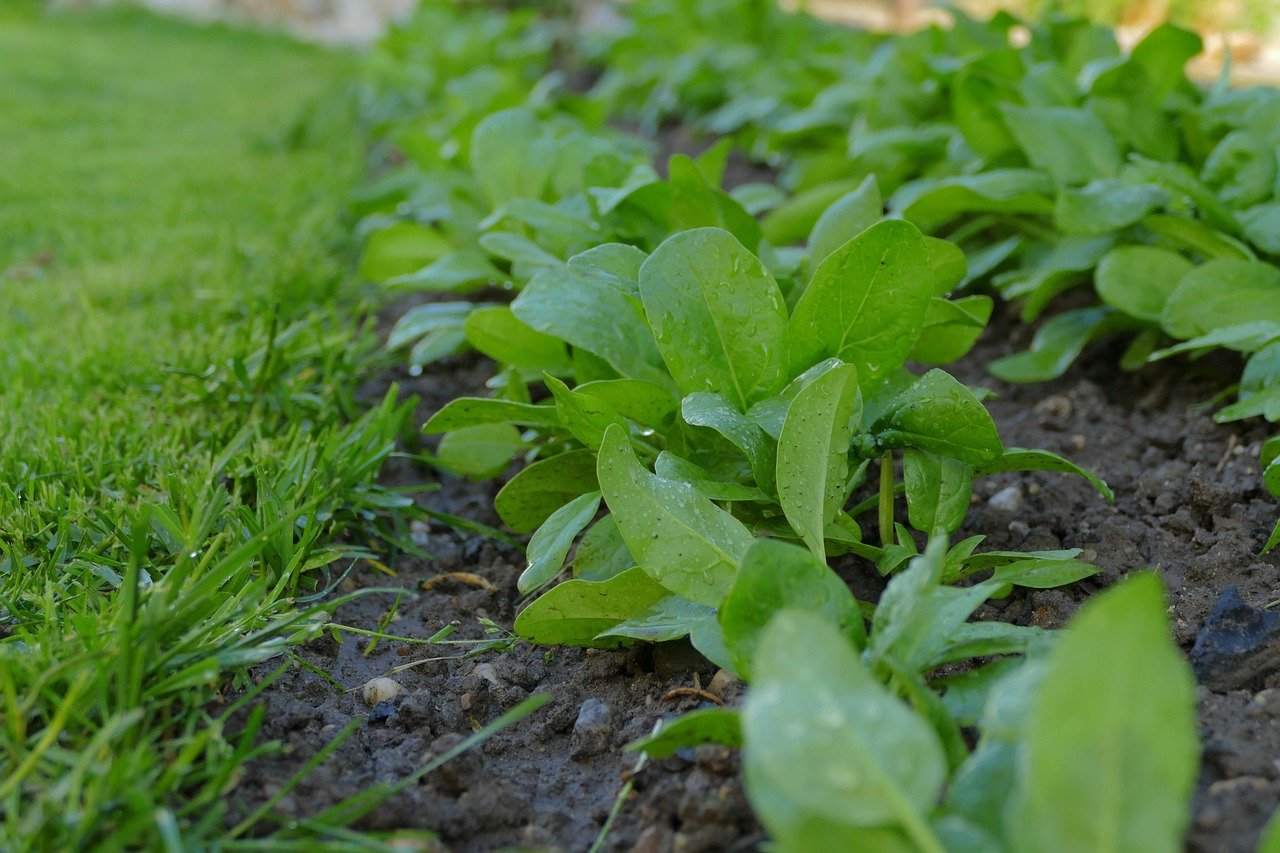
Most beginners think growing spinach is as simple as tossing a few seeds in the garden and waiting for a leafy bounty. In reality, timing, soil, and water management matter more than most realize. A new gardener in Boise, Idaho, planted spinach in early March, only to see wilted leaves by late April because the soil stayed too wet and the temperature rose above 75°F. Understanding the nuances can turn that disappointment into a thriving crop. This guide walks through every detail, so even the most novice green thumb can succeed.
📝 What's In This Article
A Closer Look at Spinach
Spinach (Spinacia oleracea) is a cool‑season leafy vegetable prized for its tender, nutrient‑dense leaves. It thrives in temperatures between 45°F and 70°F, prefers well‑drained, fertile soil, and can be harvested multiple times if managed correctly. Because it bolts (goes to seed) quickly when temperatures climb, growers must plan planting dates and care routines carefully.
| Term | Plain-English Meaning |
|---|---|
| Bolting | When the plant abruptly starts to flower and set seed, causing leaves to become bitter. |
| Sowing | Planting seeds in soil or a growing medium. |
| Succession planting | Staggering planting dates so harvests are spread over weeks or months. |
| pH | A measure of soil acidity; spinach prefers slightly acidic to neutral soil (6.0‑7.0). |
| Mulch | A layer of organic material placed on top of soil to retain moisture and regulate temperature. |
| Hardening off | Gradually exposing seedlings to outdoor conditions before transplanting. |
Why How to Grow Spinach (Step by Step) Matters
Home gardeners in the Midwest, such as a family in Madison, Wisconsin, discovered that a disciplined step‑by‑step approach saved them $120 a season by replacing store‑bought bagged spinach. By planting in early spring and again in late summer, they harvested over 30 pounds of fresh leaves, enough to fill a weekly salad menu for a household of four. The health benefits are tangible—spinach provides iron, calcium, and vitamin K, supporting bone health and energy levels.
Commercial growers also see the impact. A small farm in Salinas, California, implemented a precise planting calendar and soil‑testing regime, boosting yields by 22% compared to the previous year. Their success illustrates that even on larger scales, meticulous steps prevent bolting and improve leaf quality.
For community gardens, the step‑by‑step method democratizes fresh produce. In a Detroit neighborhood garden, volunteers trained on the exact sequence of seed preparation, spacing, and watering. Within two months, the plot produced enough spinach to supply a local food bank for three weeks, demonstrating real‑world impact beyond the garden fence.
Latest Spinach Growing Technologies
1. Soil Moisture Sensors
These electronic devices measure water content in the root zone and send data to a smartphone app.
Install the sensor 2‑3 inches deep near the seed rows, pair it with the app, and set alerts for when moisture drops below 40%. This ensures plants receive consistent water without over‑watering, which can cause root rot.
Beginners often ignore calibration, leading to false readings.
- What You Gain:
- Precise irrigation timing.
- Reduced water waste.
2. Raised Bed Kits
Modular raised beds made from recycled plastic or wood provide optimal drainage and soil warmth.
Assemble the kit according to manufacturer instructions, fill with a 1:1:1 mix of compost, peat moss, and vermiculite, then level the surface before sowing. The raised height keeps soil temperature more stable, extending the cool‑season window.
Skipping the soil mix ratio leads to compacted beds.
- What You Gain:
- Improved drainage.
- Longer growing season.
3. LED Growth Lights
Full‑spectrum LED panels deliver consistent light intensity for indoor or greenhouse spinach.
Hang the lights 12 inches above seedlings, run them 12‑14 hours per day, and adjust height as plants grow to maintain a 200‑300 µmol·m⁻²·s⁻¹ PAR level. This mimics spring daylight, allowing year‑round production.
Using lights too close can scorch seedlings.
- What You Gain:
- Year‑round harvest.
- Higher leaf density.
4. Biodegradable Seed Tape
Pre‑spaced, compostable tape embeds seeds in a protective matrix, eliminating manual spacing.
Lay the tape on prepared soil, cover lightly with a thin layer of vermiculite, and water gently. The tape dissolves as roots emerge, ensuring uniform spacing of 3‑4 inches.
Forgetting to water after placement leads to poor germination.
- What You Gain:
- Exact seed spacing.
- Reduced labor.
5. Organic Foliar Sprays
Sprays made from seaweed extract and kelp provide micronutrients directly to leaves.
Mix 2 teaspoons of concentrate per gallon of water, apply every two weeks during the growth phase, and avoid spraying during peak sun to prevent leaf burn. This boosts chlorophyll production and leaf size.
Applying too concentrated a mix damages foliage.
- What You Gain:
- Vibrant green leaves.
- Enhanced nutrient uptake.
6. Cold Frame Covers
Transparent, insulated frames protect seedlings from early frosts while allowing sunlight.
Construct a frame using PVC and clear polycarbonate panels, place it over the seedbed, and open vents during warm days. The micro‑climate maintains temperatures 5‑10°F above ambient, extending the planting window.
Leaving the cover on during a heat wave can overheat seedlings.
- What You Gain:
- Extended season.
- Higher germination rates.
7. Mobile App Planning Tools
Garden planning apps let growers map out rows, calculate spacing, and set reminders.
Input garden dimensions, select spinach, and the app generates a planting schedule based on local climate data. Sync reminders for sowing, fertilizing, and harvesting to stay on track.
Neglecting to update the calendar defeats its purpose.
- What You Gain:
- Organized workflow.
- Reduced guesswork.
| Step | What You Do | Expected Result |
|---|---|---|
| 1 | Test soil pH and amend to 6.0‑7.0. | Optimal nutrient availability. |
| 2 | Install moisture sensor and set irrigation alerts. | Consistent soil moisture. |
| 3 | Prepare raised bed with balanced soil mix. | Well‑draining, warm root zone. |
| 4 | Lay biodegradable seed tape and water gently. | Uniform seed spacing and high germination. |
| 5 | Cover beds with cold frame until seedlings emerge. | Protected early growth. |
| 6 | Apply organic foliar spray bi‑weekly. | Larger, greener leaves. |
| 7 | Use app to schedule succession planting. | Continuous harvest over months. |
Frequently Asked Questions
What is the best time of year to plant spinach?
Spinach thrives when temperatures stay between 45°F and 70°F. In most U.S. regions, early spring (March‑April) and late summer/early fall (August‑September) are ideal planting windows.
How far apart should spinach seeds be planted?
Seeds should be spaced about 1‑2 inches apart in rows that are 12‑18 inches apart. After seedlings develop true leaves, thin to 3‑4 inches between plants for optimal growth.
Can spinach be grown in containers?
Yes. Use a container at least 8‑10 inches deep, fill with a high‑quality potting mix, and ensure good drainage. Provide consistent moisture and partial shade during hot periods.
Why does my spinach bolt and how can I prevent it?
p>Bolting occurs when temperatures rise above 75°F or day lengths exceed 12 hours. To delay bolting, plant in cooler months, provide shade cloth during heat spikes, and keep soil evenly moist.
How often should I harvest spinach leaves?
Harvest outer leaves once they reach 3‑4 inches in length. Frequent cutting encourages new growth and can extend the harvest period by several weeks.
The Big Picture
Mastering the step‑by‑step process transforms spinach from a fleeting garden novelty into a reliable, nutritious staple. With careful timing, soil management, and modern tools, any gardener can enjoy fresh, flavorful leaves throughout the cool seasons. The garden awaits—let the seeds speak.









1 thought on “Step-by-Step Guide to Growing Spinach: From Seed to Harvest”