Ever walked past a backyard where vegetables seemed to thrive in perfect rows, even when the surrounding soil was dry and compacted? What if that garden’s secret was simply a few wooden frames filled with rich soil? Raised beds have turned ordinary yards into productive oases, and the stories behind them are as varied as the crops they grow.
From a retired teacher in Boise, Idaho, who turned a 10‑by‑12 foot frame into a year‑round salad bar, to an urban rooftop in Brooklyn where a community group harvests enough kale to feed a local food pantry, the possibilities are endless. These real‑world examples illustrate why raised beds are more than a trend—they’re a practical solution for gardeners of every skill level.
Curious how a simple change in garden design can boost yields, reduce weeds, and make maintenance a breeze? Dive into the details, learn proven techniques, and peek into the future of raised bed gardening.
📝 Table of Contents
Understanding Raised Beds
Raised beds are garden plots that sit above the natural ground level, typically framed with wood, stone, or metal and filled with a custom soil mix. The concept dates back to ancient civilizations; the Hanging Gardens of Babylon, for instance, used tiered planting beds to manage water flow. Modern gardeners adopt raised beds for several reasons: better soil control, improved drainage, and ergonomic planting heights that reduce back strain.
In practice, a raised bed can range from a modest 4‑by‑8 foot wooden box to a large, multi‑level structure built from reclaimed bricks. The key is the soil volume: most experts recommend a depth of at least 12 inches for vegetables, while root‑heavy crops like carrots benefit from 18‑24 inches. By selecting the right frame material and soil blend, gardeners tailor the environment to their climate and crop choices.
| Material | Cost (per sq ft) | Durability | Ideal Use |
|---|---|---|---|
| Cedar | $2.50 | 15‑20 years | Backyard vegetable beds |
| Recycled Plastic | $1.80 | 10‑15 years | Urban rooftops, low‑maintenance |
| Stone | $4.00 | 30+ years | Permanent installations, formal gardens |
| Metal (galvanized) | $3.20 | 20‑25 years | Commercial farms, high‑traffic areas |
Choosing the right material influences not only the upfront cost but also long‑term maintenance. Cedar resists rot naturally, making it a favorite for DIY gardeners, while recycled plastic offers a lightweight, pest‑free alternative for city dwellers. The table above helps compare the most common options.
Major Raised Bed Developments
1. Modular Interlocking Systems
In Portland, Oregon, a neighborhood coop installed a modular interlocking system that snapped together like giant Lego bricks. The design allowed residents to reconfigure the layout each season without digging up soil.
These systems use precision‑milled edges that lock securely, creating a watertight seal that reduces soil erosion. Because the units are lightweight, they can be moved by a single person, making seasonal rotation effortless.
- Plus Points:
- Fast assembly – a 4‑by‑8 bed can be built in under 15 minutes.
- Flexibility – rearrange rows to follow sun patterns.
- Reduced soil loss – sealed joints keep nutrients in place.
2. Integrated Irrigation Channels
A community garden in Austin, Texas, incorporated built‑in drip‑line channels beneath the bed surface. Water is delivered directly to the root zone, cutting evaporation by up to 40%.
The channels are laid in a grid pattern before the soil fill, then covered with a thin mulch layer. Sensors connected to a timer adjust flow based on moisture readings, ensuring plants receive just enough water.
- Plus Points:
- Water efficiency – lower bills and greener footprint.
- Consistent moisture – promotes uniform growth.
- Labor savings – eliminates daily hand‑watering.
3. Soil‑Free Media Blocks
In a high‑rise apartment complex in Chicago, gardeners experimented with soil‑free media blocks made from coconut coir and perlite. The blocks are stacked inside a metal frame, creating a hydroponic‑like environment without the need for nutrient solutions.
Plants root into the airy blocks, which retain moisture while providing excellent aeration. The system proved especially effective for leafy greens, delivering harvests in as little as 30 days.
- Plus Points:
- Lightweight – easy to transport between units.
- Reduced pest pressure – no soil means fewer weeds.
- Rapid growth – high oxygen levels boost metabolism.
4. Raised Bed Greenhouses
A family in Des Moines, Iowa, combined a cold‑frame greenhouse with a raised bed to extend the growing season. The frame uses polycarbonate panels that trap heat, while the bed’s raised height prevents frost from reaching the roots.
During winter, the greenhouse maintains an average temperature of 55°F, enough for hardy vegetables like kale and carrots. The setup also protects seedlings from wind, reducing transplant shock.
- Plus Points:
- Season extension – up to 12 extra weeks of production.
- Temperature stability – reduces frost damage.
- Wind protection – improves seedling survival rates.
5. Smart Sensor Integration
In a tech‑focused garden in Seattle, raised beds are equipped with Bluetooth sensors that monitor pH, temperature, and moisture. The data streams to a smartphone app, alerting the gardener when conditions drift from optimal ranges.
The system can trigger automatic adjustments, such as opening a vent or activating a misting nozzle. Early adopters report a 20% increase in yield thanks to precise environmental control.
- Plus Points:
- Real‑time data – empowers informed decisions.
- Automation – reduces manual interventions.
- Yield boost – fine‑tuned conditions enhance productivity.
What This Means in Practice
✔ Improved Soil Quality
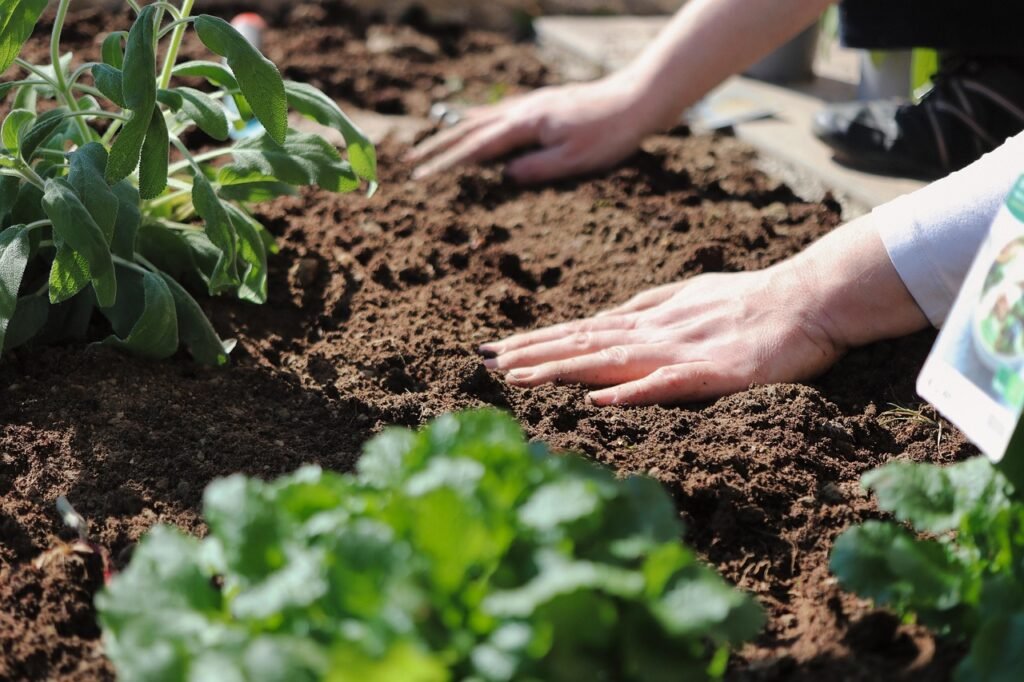
Because gardeners fill the bed with a curated mix of compost, peat, and sand, they can tailor texture and nutrient levels. This control eliminates the need to amend poor native soils.
✔ Reduced Weed Pressure
The physical barrier created by the bed’s edges makes it harder for weed seeds to infiltrate. Combined with mulching, gardeners often see a 70% drop in hand‑weeding time.
✔ Better Drainage
Raised beds sit above compacted ground, allowing excess water to flow away. In heavy‑clay regions, this prevents waterlogging that would otherwise rot roots.
✔ Ergonomic Planting
Typical bed heights of 12‑18 inches keep the gardener at a comfortable standing level, reducing back strain and making harvesting less labor‑intensive.
✔ Higher Yields per Square Foot
Studies from the University of Minnesota show that raised beds can produce up to 30% more tomatoes per square foot compared to in‑ground planting, thanks to optimized soil conditions.
✔ Extended Growing Seasons
By warming faster in spring and retaining heat longer in fall, raised beds let gardeners start seeds 2‑3 weeks earlier and harvest later in the year.
Where This Is Headed
- Integration of AI‑Driven Climate Models
Future raised beds will sync with regional climate forecasts, automatically adjusting irrigation and shading to match predicted weather patterns.
- Fully Modular Vertical Systems
Urban growers will stack interchangeable trays, creating multi‑layer farms that maximize limited rooftop space while maintaining easy access.
- Biodegradable Frame Materials
New compostable composites made from hemp fibers will replace wood, offering a sustainable option that decomposes after its lifespan.
- Community‑Scale Shared Beds
Neighborhood cooperatives will lease pre‑built raised beds, providing shared access to high‑quality soil and tools for low‑income residents.
- Hybrid Aquaponic‑Raised Bed Hybrids
Combining fish tanks with raised beds will recycle nutrients, allowing simultaneous production of protein and vegetables in a closed loop.
| Year | Average Yield Increase | Water Savings | Adoption Rate (%) |
|---|---|---|---|
| 2015 | 12% | 15% | 8 |
| 2018 | 18% | 22% | 15 |
| 2021 | 24% | 28% | 27 |
| 2024 | 30% | 35% | 42 |
Closing Thoughts
Raised beds transform ordinary plots into high‑performance gardens, offering control, convenience, and measurable yield gains. Real‑world examples demonstrate how thoughtful design—whether modular, irrigated, or tech‑enabled—can adapt to diverse environments. As innovations continue, raised beds will remain a cornerstone of sustainable, productive gardening for years to come.