For years, the mystical world of kokedama has captivated the imagination of plant enthusiasts worldwide. However, amidst its rising popularity, several myths have emerged, often blurring the lines between fact and fiction. Choosing the right approach to understanding and creating kokedama matters, as it not only affects the aesthetic appeal of these botanical works of art but also their longevity and the health of the plants themselves. The art of kokedama, which involves encasing the roots of plants in a ball of soil and moss, requires a delicate balance of moisture, nutrients, and care. Misconceptions about this balance can lead to disappointing results, making it essential to separate myth from reality. By doing so, enthusiasts can fully appreciate the beauty and tranquility that kokedama brings to any space. With the right knowledge, anyone can create and maintain these stunning pieces of living art.
📝 What You'll Learn
Breaking Down Kokedama
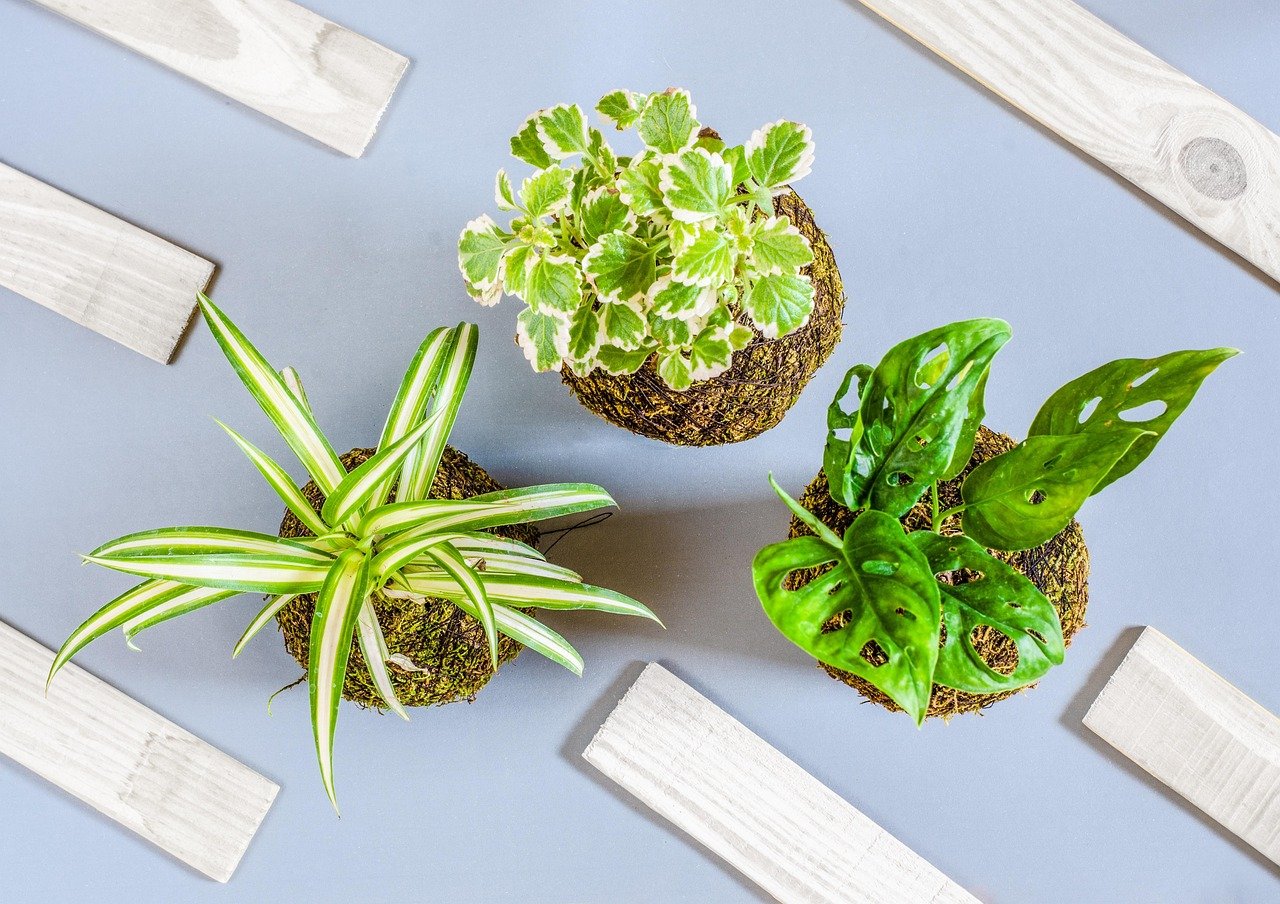
To truly appreciate kokedama, one must first understand its components and the principles behind its creation. Kokedama, which translates to ‘moss ball’ in Japanese, is more than just a decorative item; it’s a mini-ecosystem. The moss covering the soil ball not only adds to its aesthetic appeal but also plays a crucial role in retaining moisture and providing insulation to the roots of the plant. The choice of plant species, the composition of the soil, and the technique used to bind the moss are all critical factors that determine the success of a kokedama. For instance, plants with delicate roots such as ferns and peace lilies are ideal, whereas plants that require a lot of sunlight or have deep taproots may not thrive in this environment.
A key aspect of creating and maintaining kokedama is understanding the key metrics that influence its health and longevity. The following table highlights some of the critical factors to consider when evaluating the suitability of a plant for kokedama and the conditions necessary for its upkeep.
| Plant Species | Lighting Requirements | Watering Needs | Humidity Preference |
|---|---|---|---|
| Ferns | Low to Medium | High | High |
| Peace Lilies | Medium to High | Medium | Medium |
| Orchids | High | Low to Medium | High |
| Bromeliads | Medium to High | Medium | Medium to High |
Leading Kokedama Solutions
Kokedama Kits
Kokedama kits are a great starting point for beginners, providing all the necessary materials in one package. These kits usually include the soil, moss, and a plant, along with instructions on how to assemble the kokedama. They are convenient and reduce the guesswork involved in selecting the right components.
- Strengths:
- Convenience and ease of use
- Uniform quality of materials
- Cost-effective for beginners
- Drawbacks:
- Limited choice of plant species and materials
- Dependence on the kit’s quality
Best for: Beginners looking for a straightforward introduction to kokedama.
DIY Kokedama
For those who enjoy a hands-on approach and want more control over the materials and design, creating a kokedama from scratch can be very rewarding. This method allows for the selection of specific plants and materials tailored to one’s preferences and the environment where the kokedama will be kept.
- Strengths:
- Flexibility in choosing plant species and materials
- Cost-effective in the long run
- Personal satisfaction from creating something unique
- Drawbacks:
- Requires more time and effort
- Higher risk of failure due to incorrect techniques or material choices
Best for: Experienced gardeners or those who enjoy DIY projects and are willing to learn and experiment.
Pre-made Kokedama
Pre-made kokedama offer a convenient option for those who want to enjoy the beauty of these moss balls without the hassle of creating them. They can be purchased from nurseries, gardening stores, or online retailers and come in a variety of plant species and sizes.
- Strengths:
- Immediate gratification
- No expertise required
- Wide range of choices in terms of plant species and size
- Drawbacks:
- Higher cost compared to DIY or kits
- Quality can vary depending on the seller
Best for: Busy individuals who want the aesthetic benefits of kokedama without the time commitment.
Kokedama Workshops
Attending a kokedama workshop is an excellent way to learn the art of creating these moss balls under the guidance of an experienced instructor. Participants can gain hands-on experience and take home their creation at the end of the session.
- Strengths:
- Hands-on learning experience
- Immediate feedback and guidance from an expert
- Opportunity to learn about different techniques and materials
- Drawbacks:
- Scheduling constraints
- Cost, which can be higher than DIY or kits
Best for: Those who prefer a guided, interactive learning experience.
Online Tutorials
For the self-learner, online tutorials offer a flexible and often free resource for learning the basics of kokedama creation. These tutorials can range from simple written instructions to detailed video guides.
- Strengths:
- Flexibility in learning schedule
- Access to a wide range of tutorials and expertise
- Cost-effective or free
- Drawbacks:
- Lack of immediate feedback
- Quality of tutorials can vary significantly
Best for: Individuals who are self-motivated and prefer learning at their own pace.
| Option | Best For | Difficulty | Cost | Speed |
|---|---|---|---|---|
| Kokedama Kits | Beginners | Easy | Medium | Fast |
| DIY Kokedama | Experienced Gardeners/DIY Enthusiasts | Challenging | Low to Medium | Slow |
| Pre-made Kokedama | Busy Individuals | Easy | High | Instant |
| Kokedama Workshops | Hands-on Learners | Medium | High | Medium |
| Online Tutorials | Self-learners | Easy to Challenging | Low to Free | Fast to Medium |
How to Choose the Right One
Choosing the right kokedama solution depends on several factors, including one’s level of experience with plants, the amount of time available for maintenance, and personal preferences regarding the aesthetic and educational aspects of kokedama. Experience Level is a crucial factor; beginners may find kits or pre-made kokedama more appealing due to their ease of use and minimal requirement for gardening knowledge. On the other hand, experienced gardeners might prefer the Flexibility offered by DIY kokedama, allowing them to experiment with different plant species and techniques.
Cost is another significant consideration. While pre-made kokedama and workshops might offer convenience and immediate results, they are typically more expensive than creating one’s own kokedama from scratch or using a kit. The Speed at which one wants to enjoy their kokedama also plays a role; for those who want immediate gratification, pre-made options are the quickest way to bring a kokedama into their home or office.
In addition to these practical considerations, the Learning Experience is an important aspect for many. Some individuals might prefer the interactive and guided environment of a workshop, while others might enjoy the flexibility and autonomy of learning through online tutorials or DIY projects. The choice ultimately depends on how one prefers to learn and engage with the process of creating and maintaining kokedama.
Finally, considering the Long-term Commitment involved in caring for a kokedama is essential. These moss balls require regular watering, occasional re-soiling, and protection from extreme temperatures and lighting conditions. Understanding and being willing to make this commitment is crucial for the health and longevity of the plant and the success of the kokedama as a whole.
Real-World Benefits
One of the most significant benefits of kokedama is its ability to Purify the Air. By selecting plants known for their air-purifying properties, such as spider plants or peace lilies, and encapsulating them in a kokedama, individuals can create a natural and aesthetically pleasing way to improve indoor air quality. This can be particularly beneficial in urban environments or spaces with limited natural ventilation.
Kokedama also offers a unique opportunity for Stress Relief. The process of creating and caring for these moss balls can be meditative, providing a sense of calm and connection to nature. This aspect makes kokedama an attractive hobby for individuals looking to reduce stress and improve their mental well-being.
In terms of Aesthetic Appeal, kokedama can add a touch of natural beauty and elegance to any room. Their versatility in terms of size, shape, and the variety of plant species that can be used means that they can complement a wide range of interior decor styles, from modern and sleek to traditional and rustic.
Kokedama can also serve as a Tool for Education, teaching important principles about botany, ecology, and the importance of sustainable gardening practices. For schools, community centers, or families, creating kokedama together can be a fun and educational activity that fosters an appreciation for nature and the environment.
Furthermore, kokedama can play a role in Improving Indoor Humidity levels, which is beneficial for both plants and humans. The moss covering the soil ball helps to maintain a humid microclimate around the plant, which can contribute to a healthier indoor environment, especially in air-conditioned or heated spaces.
Lastly, the Portability of kokedama makes them a great option for individuals who frequently move or have limited space. Unlike traditional potted plants, kokedama can be easily hung or placed in small areas, allowing anyone to enjoy the benefits of having plants, regardless of their living situation.
The Bottom Line
To wrap up, understanding the realities of kokedama and debunking common myths is essential for appreciating the true value and beauty of this unique form of Japanese botanical art. By considering factors such as experience level, cost, speed, learning experience, and long-term commitment, individuals can choose the kokedama solution that best fits their needs and preferences. Whether for aesthetic appeal, educational purposes, or as a tool for improving indoor air quality and humidity, kokedama offers a wide range of benefits that can enhance any living or working space. With the right approach and knowledge, anyone can enjoy the tranquility and beauty that kokedama brings.