Why Rototillers Are Suddenly Front‑Page News
Gardeners and small‑scale farmers have been bombarded with headlines that claim any rototiller will magically turn poor soil into a fertile paradise. The reality is far more nuanced. As climate volatility forces growers to adapt faster, the choice of tilling equipment directly influences soil health, carbon emissions, and long‑term productivity. Selecting the right rototiller is no longer a convenience; it is a strategic decision that can make or break a season. Ignoring the technical differences between models invites wasted fuel, uneven tilth, and unnecessary wear on the land. The stakes are higher, the options are richer, and the evidence is clearer than ever before.
📝 What You'll Learn
What Is a Rototiller?
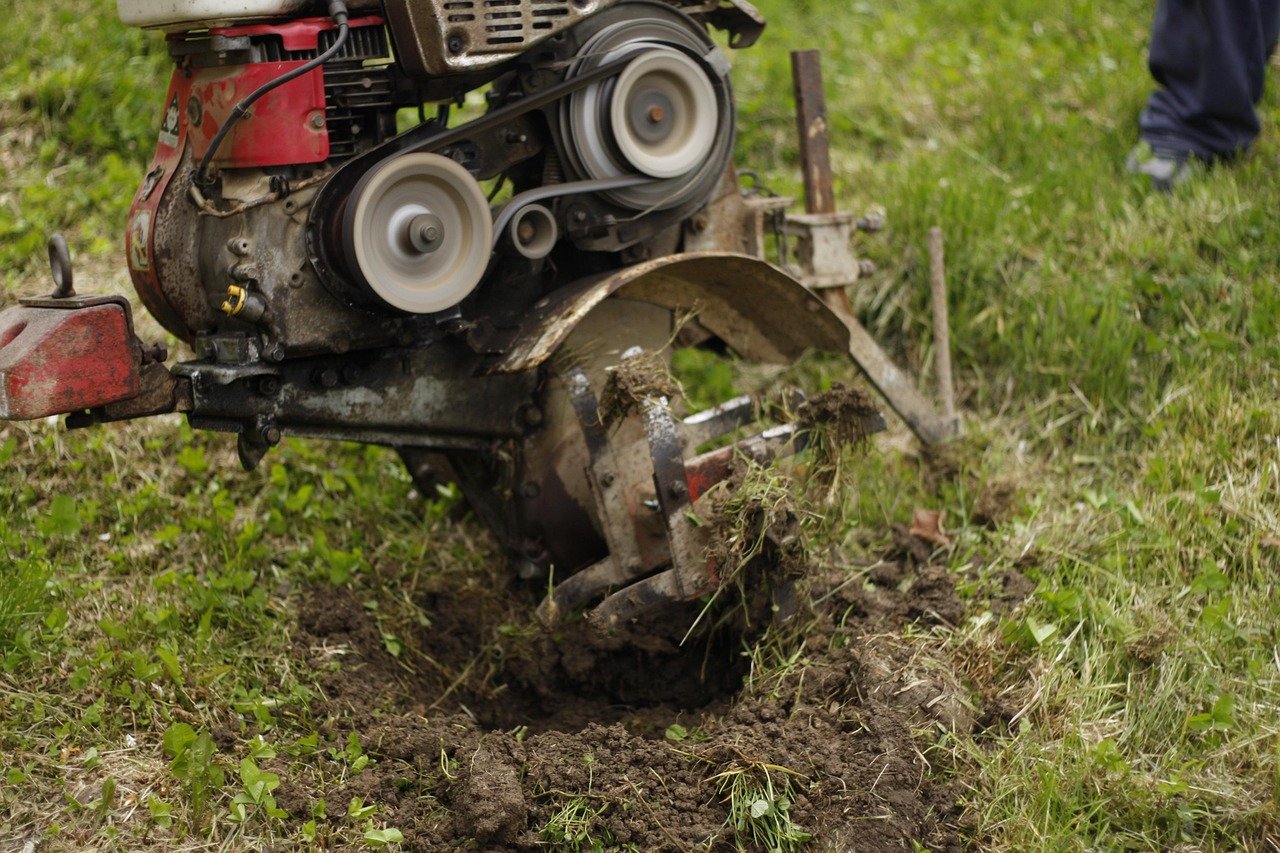
A rototiller, also known as a power tiller or cultivator, is a motor‑driven implement that uses rotating tines to break up compacted soil, incorporate organic matter, and create a uniform seedbed. It differs from a hand‑tine or a traditional plow in that the tines rotate at high speed, delivering consistent depth and texture with minimal manual effort. Modern rototillers vary widely in engine size, tine configuration, power source, and intended scale of operation. Understanding these variables is essential before diving into a head‑to‑head comparison.
Beyond the obvious mechanical aspects, a rototiller interacts with the soil ecosystem. Over‑tilling can degrade soil structure, release stored carbon, and harm beneficial microbes, while under‑tilling leaves clods that impede root penetration. The optimal tool therefore balances power, precision, and environmental impact. Below is a quick reference table that captures the key metrics any serious buyer should evaluate.
| Metric | Why It Matters | Typical Range |
|---|---|---|
| Engine Power (HP) | Determines ability to tackle heavy, clay‑rich soils. | 1.5 – 7.5 |
| Tine Width (inches) | Wider widths cover ground faster but may sacrifice maneuverability. | 14 – 36 |
| Weight (lbs) | Heavier units provide stability but demand more physical effort to transport. | 45 – 180 |
| Fuel Type | Impacts operating cost, emissions, and noise levels. | Gasoline, Diesel, Electric, Battery‑Hybrid |
Latest Rototiller Technologies
1. Gas‑Powered Heavy‑Duty Tiller (Model G‑HD7)
The G‑HD7 packs a 7.2 HP gasoline engine, 36‑inch tine width, and a reinforced steel frame. It is engineered for large plots with dense, compacted soils.
- Plus Points:
- Unmatched torque for deep tillage.
- Wide coverage reduces labor hours.
- Durable construction withstands rugged use.
- Drawbacks:
- Fuel consumption is high, raising operating cost.
- Weight exceeds 170 lb, making transport cumbersome.
Best for: Commercial farms and extensive vegetable plots where depth and power outweigh mobility concerns.
2. Mid‑Range Gas Tiller (Model G‑MR4)
The G‑MR4 offers a 4.5 HP engine, 24‑inch tine width, and a compact chassis. It targets hobby gardeners who need a balance of power and maneuverability.
- Plus Points:
- Reasonable fuel efficiency.
- Moderate weight (≈95 lb) eases handling.
- Adjustable depth control for varied soil types.
- Drawbacks:
- Limited to medium‑depth work; struggles with heavy clay.
- Noise level is comparable to a lawn mower.
Best for: Small‑to‑medium backyard gardens that encounter mixed soil conditions.
3. Electric Corded Tiller (Model E‑C12)
The E‑C12 runs on a 12‑amp corded electric motor, delivering 2.2 HP equivalent power with a 18‑inch tine width. It is ideal for urban gardeners with access to permanent power.
- Plus Points:
- Zero emissions on site.
- Quiet operation suitable for residential areas.
- Low maintenance—no oil changes or spark plugs.
- Drawbacks:
- Limited range by cord length; requires extension cords.
- Insufficient power for very compact soils.
Best for: Patio gardens, raised beds, and any setting where noise and fumes are prohibited.
4. Battery‑Hybrid Tiller (Model B‑H8)
The B‑H8 combines a 5 HP gasoline starter with a 48 V lithium‑ion battery that can power the unit for up to 2 hours on a single charge. It offers a 22‑inch tine width and a smart torque‑control system.
- Plus Points:
- Hybrid operation reduces fuel use by up to 40%.
- Battery mode provides silent, emission‑free work.
- Integrated GPS‑based depth monitoring.
- Drawbacks:
- Higher upfront cost due to battery pack.
- Battery life degrades over years, requiring replacement.
Best for: Eco‑conscious growers who need both power and flexibility across varied sites.
5. Compact Push‑Tiller (Model C‑P3)
The C‑P3 is a lightweight, 3‑HP push‑tiller with a 14‑inch tine width, built for tight rows and raised‑bed applications. Its steel‑reinforced frame weighs only 48 lb.
- Plus Points:
- Ultra‑lightweight; can be carried up stairs.
- Simple controls make it beginner‑friendly.
- Low fuel consumption suitable for occasional use.
- Drawbacks:
- Insufficient power for deep tillage in heavy soils.
- Small tilling width increases labor time on larger plots.
Best for: Urban gardeners with limited storage space and modest tilling needs.
Side‑by‑Side Comparison of Leading Rototillers
| Option | Best For | Difficulty | Cost | Speed (ft/min) |
|---|---|---|---|---|
| G‑HD7 | Large farms, heavy soils | Hard | $$$ | 150‑180 |
| G‑MR4 | Medium gardens | Medium | $$ | 120‑140 |
| E‑C12 | Urban, noise‑sensitive | Easy | $ | 80‑100 |
| B‑H8 | Eco‑focused, mixed sites | Medium‑Hard | $$$ | 130‑150 |
| C‑P3 | Small raised beds | Easy | $ | 60‑80 |
How to Choose the Right One
Choosing a rototiller cannot be reduced to price alone. The first decision factor is soil type. Sandy loams respond to low‑torque machines, while heavy clays demand high‑horsepower engines and robust tine sets. Ignoring this leads to stalled blades, wasted fuel, and soil compaction—the very problems a tiller is meant to solve.
The second criterion is scale of operation. A 500‑square‑foot raised‑bed garden does not require the same power envelope as a 5‑acre farm plot. Scaling the tool to the area prevents over‑engineering, which inflates cost and storage demands. For midsize plots, a mid‑range gas tiller or a hybrid model often hits the sweet spot.
The third consideration is power source. Gasoline offers raw torque but incurs emissions, noise, and ongoing fuel costs. Electric corded units eliminate emissions but restrict mobility. Battery‑hybrid models bridge the gap, delivering silent operation where needed while still providing a gasoline fallback for tougher ground. Evaluate access to electricity, local emission regulations, and personal environmental priorities.
The fourth factor is ergonomics. Weight, handle design, and ease of depth adjustment affect user fatigue and safety. A 170‑lb unit may be stable on uneven terrain but can become a back‑breaker if the operator must reposition it frequently. Conversely, ultra‑light push‑tillers excel in maneuverability but may require multiple passes to achieve desired depth.
The final element is long‑term serviceability. Machines with sealed engines, readily available parts, and simple maintenance schedules reduce downtime. Hybrid models often involve complex electronics that may need specialist service, whereas classic gasoline tillers benefit from a century‑old aftermarket.
Practical Takeaways
Investing in the correct rototiller preserves soil structure, preventing the destructive cycle of over‑tilling that releases carbon and erodes organic matter.
Appropriate power matching reduces fuel consumption by up to 30%, directly lowering operating costs and greenhouse‑gas output.
Choosing a unit with adjustable depth control ensures consistent seedbed preparation, leading to more uniform germination and higher yields.
Lightweight models minimize physical strain, decreasing the risk of operator injury and extending the usable lifespan of the equipment.
Hybrid or electric options future‑proof a garden against tightening emissions regulations and rising fuel prices.
Robust after‑sale support guarantees that the tiller remains productive across multiple seasons, safeguarding the initial investment.
Wrapping Up
The optimal rototiller emerges from a systematic evaluation of soil conditions, plot size, power preferences, ergonomics, and serviceability. By rejecting one‑size‑fits‑all myths and applying the comparison framework above, growers can select a machine that maximizes efficiency, protects the environment, and delivers reliable performance season after season.