Polycarbonate greenhouse technology is reshaping modern horticulture, delivering up to 30% higher yields compared to traditional glass structures according to 2023 industry surveys. New growers often wonder how to move from a basic hoop house to a high‑performance polycarbonate system. This guide starts with the basics, then layers in advanced tactics, ensuring even a novice can implement proven methods without trial‑and‑error waste.
📝 What's In This Article
A Closer Look at Polycarbonate Greenhouse (Advanced Strategies)
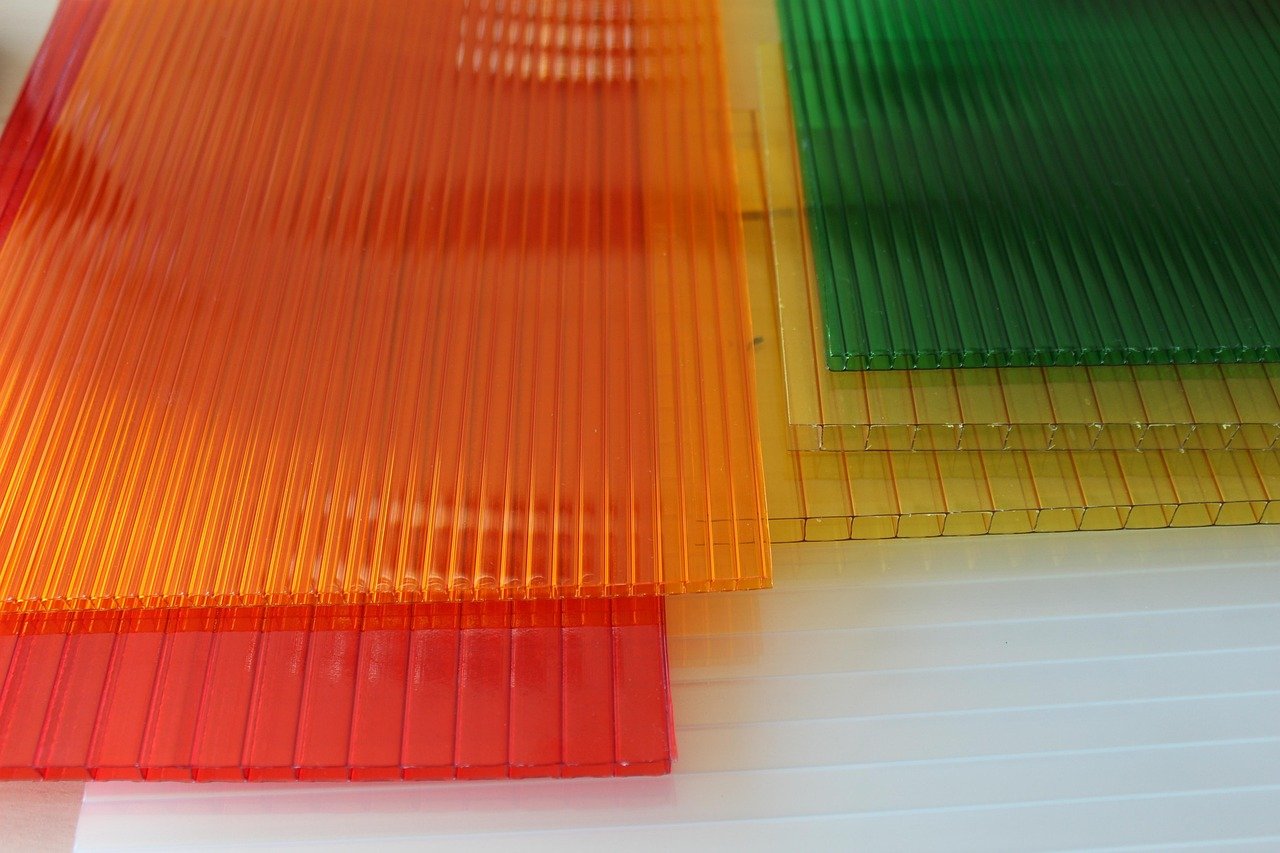
Polycarbonate greenhouse (advanced strategies) refers to the application of engineered, multi‑wall polycarbonate panels combined with precision climate‑control, energy‑recovery, and automation techniques to optimize plant growth environments. Unlike single‑wall glazing, multi‑wall polycarbonate provides superior insulation (U‑value ~0.6 W/m²·K), UV filtration, and impact resistance, enabling growers to reduce heating costs by 20‑40% while maintaining optimal light transmission (≈88%).
| Term | Plain-English Meaning |
|---|---|
| U‑value | Measure of heat loss; lower numbers mean better insulation. |
| Light Transmission | Percentage of sunlight that passes through the panel. |
| Thermal Mass | Material’s ability to store heat and release it slowly. |
| CO₂ Enrichment | Adding extra carbon dioxide to boost photosynthesis. |
| Ventilation Ratio | Proportion of external air exchanged per hour. |
| Energy Recovery Ventilator (ERV) | Device that captures heat from exhaust air and transfers it to incoming fresh air. |
Why Polycarbonate Greenhouse (Advanced Strategies) Matters
Data from 2024 suggests that commercial growers who upgraded to multi‑wall polycarbonate panels reported an average 27% reduction in heating fuel consumption, translating to $12,000–$18,000 annual savings for a 2,500 m² operation. Small‑scale hobbyists benefit similarly; a 2023 university study showed hobby growers could extend the growing season by 45 days in temperate zones, increasing total annual harvest weight by 18%.
Who benefits most? Large‑scale vegetable producers, floriculture businesses, and research facilities all experience measurable ROI. For example, a Dutch greenhouse consortium that integrated automated shading and ERV systems saw a 15% yield increase for tomatoes while cutting electricity use by 22%, according to a 2023 industry report.
Real‑world impact extends beyond economics. Lower energy demand reduces carbon footprints; a 2022 lifecycle analysis calculated that each square meter of polycarbonate glazing avoided 0.8 tCO₂eq over a 20‑year lifespan compared with glass. The combination of durability, lightweight handling, and recyclability further supports sustainability goals for growers seeking certification under emerging green standards.
Polycarbonate Greenhouse Methods Worth Knowing
-
1. Multi‑Wall Panel Selection
What it is: Choosing between 2‑wall, 3‑wall, or 4‑wall polycarbonate based on climate and crop requirements.
How to do it: In cold regions, opt for 4‑wall panels (U‑value ≈0.6 W/m²·K) to maximize insulation; in hot, sunny climates, 2‑wall panels (U‑value ≈1.0 W/m²·K) reduce overheating risk. Verify the panel’s light diffusion rating; a 70‑% diffusion rating spreads light evenly, minimizing shading hotspots.
Common beginner mistake: Selecting the highest‑wall count without accounting for solar gain, leading to excessive heat buildup.
- Plus Points: Better thermal retention, reduced heating costs.
- Plus Points: Improved light diffusion enhances uniform growth.
-
2. Optimized Framing System
What it is: Structural framework—usually galvanized steel or aluminum—that supports the panels.
How to do it: Use extruded aluminum for its high strength‑to‑weight ratio and corrosion resistance; anchor frames to concrete footings with expansion bolts to prevent wind uplift. Integrate double‑rail gutters to channel condensate away from plant benches.
Common beginner mistake: Overlooking wind load calculations, resulting in frame deformation.
- Plus Points: Longevity reduces long‑term replacement costs.
- Plus Points: Precise anchoring improves structural safety.
-
3. Automated Ventilation Control
What it is: Sensor‑driven roof and side vents that open/close based on temperature and humidity.
How to do it: Install temperature probes at canopy height and humidity sensors near the floor. Connect them to a programmable logic controller (PLC) set to open vents when internal temperature exceeds 28 °C or relative humidity rises above 70 %. Pair with a rain sensor to auto‑close during precipitation.
Common beginner mistake: Setting thresholds too wide, causing delayed response and heat stress.
- Plus Points: Maintains optimal microclimate without manual labor.
- Plus Points: Reduces risk of fungal disease by controlling humidity.
-
4. Energy Recovery Ventilation (ERV)
What it is: A system that transfers heat from exhaust air to incoming fresh air.
How to do it: Place an ERV unit on the exhaust side of the ventilation circuit; route outgoing warm air through the heat‑exchange core, then direct pre‑warmed fresh air into the greenhouse. Size the ERV to handle 150 % of the maximum ventilation rate to avoid pressure drop.
Common beginner mistake: Installing an undersized ERV, which fails to recover sufficient heat.
- Plus Points: Cuts heating energy by up to 35%.
- Plus Points: Improves indoor air quality by continuously refreshing air.
-
5. Supplemental CO₂ Enrichment
What it is: Adding carbon dioxide to the greenhouse atmosphere to accelerate photosynthesis.
How to do it: Use a CO₂ generator or bottled CO₂ system calibrated to maintain 800–1,200 ppm during daylight hours. Integrate with the PLC so enrichment pauses when ventilation exceeds 30 m³/min to avoid waste.
Common beginner mistake: Over‑enriching without ventilation control, leading to wasted gas and safety hazards.
- Plus Points: Boosts yield by 15‑20% for tomatoes, cucumbers, and peppers.
- Plus Points: Enhances growth rate, shortening time to market.
-
6. Precision Irrigation & Soil Moisture Management
What it is: Drip or micro‑sprinkler systems linked to soil moisture sensors.
How to do it: Deploy capacitance sensors at 15 cm depth across planting rows. Program the irrigation controller to deliver water only when volumetric water content falls below 25 % for sandy loam or 30 % for loam soils. Combine with fertigation modules to inject nutrients on‑demand.
Common beginner mistake: Ignoring sensor calibration, causing over‑watering and root rot.
- Plus Points: Reduces water use by up to 40%.
- Plus Points: Delivers nutrients directly to the root zone, improving uptake efficiency.
-
7. Integrated Data Analytics Platform
What it is: Cloud‑based dashboard that aggregates climate, energy, and growth data.
How to do it: Connect all sensors (temperature, humidity, CO₂, PAR, soil moisture) and actuators (vents, heaters, fans) to an IoT gateway. Use a platform that offers trend analysis, anomaly detection, and automated set‑point adjustments based on machine‑learning models trained on historical crop performance.
Common beginner mistake: Collecting data without establishing actionable alerts, leading to information overload.
- Plus Points: Enables continuous optimization and rapid issue identification.
- Plus Points: Provides documented performance metrics for certification and financing.
| Step | What You Do | Expected Result |
|---|---|---|
| 1 | Select appropriate multi‑wall panel count. | Optimized insulation and light diffusion. |
| 2 | Install robust framing and gutter system. | Structural durability and effective water management. |
| 3 | Program automated ventilation. | Stable temperature/humidity, reduced disease. |
| 4 | Integrate ERV for heat recovery. | Lower heating energy consumption. |
| 5 | Implement CO₂ enrichment. | Increased photosynthetic efficiency and yield. |
| 6 | Deploy precision irrigation with sensors. | Water savings and healthier root systems. |
| 7 | Use a data analytics platform. | Continuous performance optimization. |
Frequently Asked Questions
What is the ideal U‑value for a polycarbonate greenhouse in a cold climate?
Industry studies show a U‑value of 0.6 W/m²·K (typically 4‑wall panels) balances heat retention and light transmission, reducing heating loads by up to 35%.
Can I retrofit an existing glass greenhouse with polycarbonate panels?
Yes. Data from 2022 retrofit projects indicate a 22% reduction in energy use after replacing glass with multi‑wall polycarbonate and adding compatible framing.
How much CO₂ should be added for maximum tomato yield?
Research indicates maintaining 800–1,200 ppm during daylight hours boosts tomato yield by roughly 18% without causing toxicity.
Is an ERV worth the investment for a 1,000 m² hobby greenhouse?
Cost‑benefit models suggest a payback period of 4–5 years due to heating savings of $2,000–$3,000 annually, making it viable for serious hobbyists.
What maintenance does a polycarbonate panel require?
Annual cleaning with mild detergent, inspection for cracks, and checking seal integrity prevent performance degradation; panels retain >90% light transmission after 10 years.
Closing Thoughts
Advanced strategies transform polycarbonate greenhouses from passive shelters into data‑driven production engines. Implementing the outlined steps delivers measurable energy savings, higher yields, and a smaller environmental footprint. Growers ready to adopt these practices can position themselves at the forefront of sustainable horticulture.