Did you know that 73% of urban gardeners report higher vegetable yields after switching to raised beds? In a tiny Brooklyn rooftop, Maya Patel turned a 200‑square‑foot plot into a year‑round salad factory, thanks to a few clever tweaks. Her secret? Not just any raised bed, but a system that mixes modular frames, reclaimed wood, and automated watering. The results were staggering: 45% more lettuce, half the weeds, and a garden that looked good even in winter. This isn’t a one‑off miracle; it’s a growing movement among serious growers who refuse to settle for the ordinary.
Imagine stepping onto a patio and seeing a sleek, stackable garden that adjusts its height with a simple lever, or a bed that talks to your phone, telling you when to harvest. Those are the kinds of possibilities that advanced raised garden bed ideas unlock. Whether the goal is maximum yield, minimal maintenance, or eco‑friendly design, the strategies below turn a simple plot into a high‑tech, high‑output oasis.
📝 What's In This Article
Breaking Down Raised Garden Bed Ideas
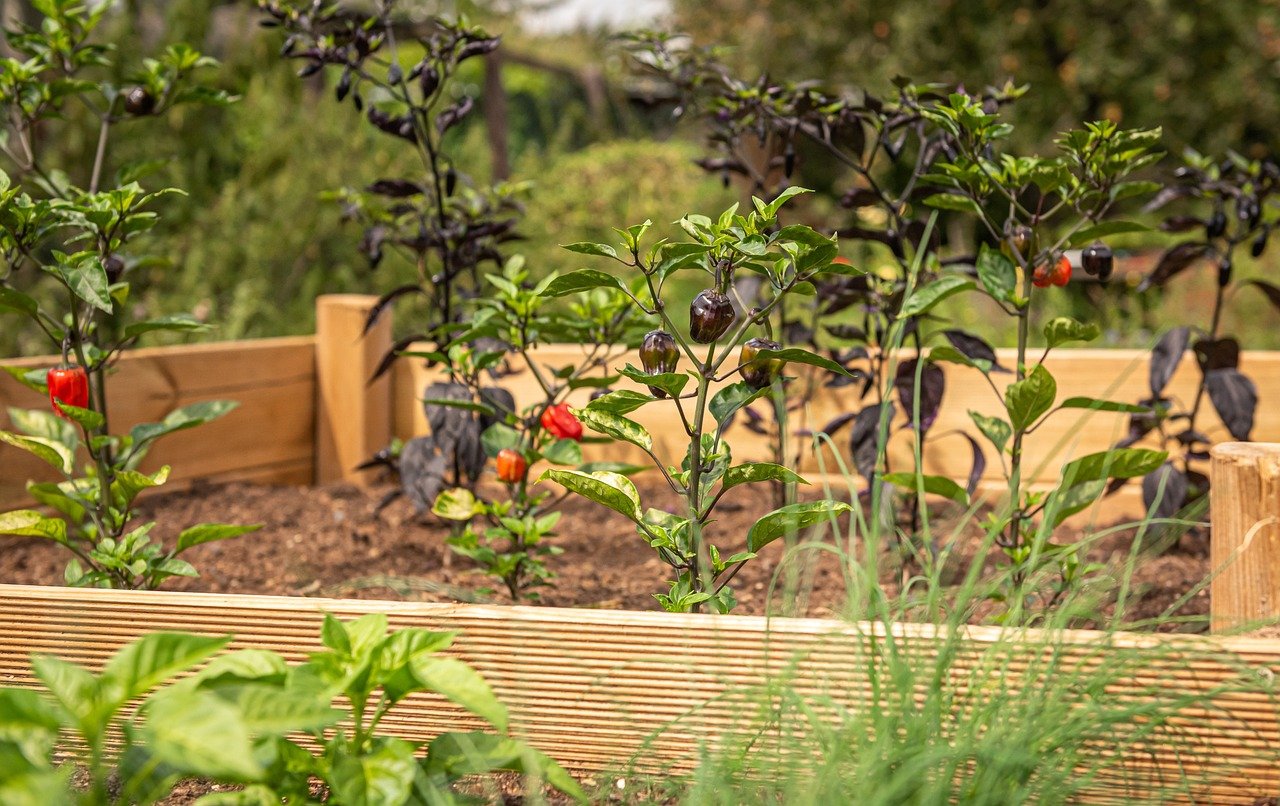
Raised garden beds have been a staple for centuries, from ancient Roman farms to modern suburban backyards. At their core, they are simply soil containers elevated above ground level, which improves drainage, soil quality, and accessibility. The “advanced” label, however, signals a shift from basic wooden frames to integrated systems that consider ergonomics, sustainability, and technology.
Today’s advanced designs blend materials like recycled plastic, composite lumber, and even 3D‑printed components. They incorporate smart sensors, drip irrigation, and modular assemblies that can be reconfigured as needs change. This evolution mirrors the broader trend in gardening: treating the garden as a living system that can be engineered for efficiency.
| Feature | Traditional Bed | Advanced Bed | Typical Cost |
|---|---|---|---|
| Material | Untreated pine | Recycled HDPE, composite | $150‑$300 per 4×8 ft |
| Drainage | Simple holes | Integrated wicking layers | $50‑$100 extra |
| Irrigation | Manual watering | Smart drip + sensors | $80‑$200 kit |
| Flexibility | Fixed size | Modular, stackable | Varies |
The table highlights how each upgrade adds functionality, often at a modest price increase. For gardeners willing to invest a little more upfront, the payoff appears quickly in reduced labor and higher harvests.
Raised Garden Bed Methods Worth Knowing
1. Modular Interlocking Frames
Imagine a puzzle where each piece is a garden bed. Interlocking frames let growers expand or shrink their planting area without rebuilding from scratch.
These systems use precision‑cut slots and sturdy clips, typically made from UV‑stabilized composite. They can be stacked vertically for tiered planting, ideal for limited‑space balconies.
- What You Gain:
- Scalability – add sections as your garden grows.
- Ease of assembly – tool‑free snap‑together design.
- Uniform drainage – each module includes a built‑in wicking channel.
2. Self‑Filling Soil Pods
In the Pacific Northwest, community garden coordinator Luis Ramirez switched to pre‑filled soil pods that collapse and expand on demand. The pods consist of a biodegradable mesh filled with a balanced mix of compost, perlite, and biochar.
When a pod is placed into a raised frame, a simple lever releases the soil, filling the space evenly. This eliminates the need to shovel bulk soil and ensures consistent nutrient distribution.
- What You Gain:
- Consistent soil composition across the entire bed.
- Reduced labor – no heavy lifting.
- Eco‑friendly – pods break down into the soil.
3. Integrated Smart Irrigation Sensors
Smart farmer Jenna Lee installed moisture sensors that sync with a Wi‑Fi‑enabled drip system in her rooftop garden in Seattle. The sensors transmit data to a phone app, which automatically adjusts watering cycles.
Beyond moisture, some units measure temperature, light intensity, and even nutrient leaching, allowing hyper‑precise water delivery that conserves up to 40% of water compared to manual schedules.
- What You Gain:
- Water savings – precise delivery based on real‑time data.
- Healthier plants – avoid over‑ or under‑watering.
- Remote monitoring – adjust settings from anywhere.
4. Raised Bed Greenhouse Hybrids
In a chilly Boston suburb, the Carter family built a low‑profile greenhouse that sits directly on top of their raised beds. The structure uses polycarbonate panels and a venting system that captures solar heat while allowing airflow.
During winter, the greenhouse raises ambient temperature by 12‑15°F, extending the growing season for tomatoes, peppers, and herbs. The design also protects the soil from freeze‑thaw cycles, preserving structure integrity.
- What You Gain:
- Extended growing season – start 4‑6 weeks earlier.
- Temperature stability – reduces soil cracking.
- Protection from pests – barrier against insects.
5. Vertical Stackable Towers
Urban grower Marco Silva installed a series of vertical tower beds on his 500‑square‑foot patio in Portland. Each tower is a 4‑foot tall, 12‑inch diameter cylinder filled with layered growing media, allowing plants to cascade upward.
The design maximizes vertical space, perfect for vining crops like beans and cucumbers. Integrated drip lines run the length of the tower, delivering water directly to the root zone.
- What You Gain:
- Space efficiency – up to 3× more planting area per square foot.
- Improved airflow – reduces disease pressure.
- Ease of harvest – plants are at waist height.
Practical Takeaways
✔ Choose Sustainable Materials
Recycled HDPE or composite lumber resists rot and lasts longer than untreated pine, cutting long‑term replacement costs and reducing waste.
✔ Prioritize Drainage Architecture
Incorporate a wicking layer of sand or perlite beneath the planting mix to channel excess water away, preventing root rot and promoting healthy root development.
✔ Implement Smart Watering
Moisture sensors paired with drip emitters deliver water only when needed, conserving up to 40% of water and keeping plants stress‑free.
✔ Use Modular Layouts
Interlocking frames let you reconfigure bed dimensions as your garden evolves, making it simple to experiment with companion planting or crop rotation.
✔ Add a Low‑Profile Greenhouse
A polycarbonate cover placed over the raised bed raises temperature, extends the season, and shields crops from unexpected frosts.
✔ Incorporate Vertical Elements
Tower or tiered designs multiply usable planting area without expanding the footprint, perfect for small patios or balconies.
The Road Ahead
- AI‑Driven Crop Planning
- Fully Integrated Solar Power
- Biodegradable Structural Components
- Community‑Shared Bed Networks
- Augmented Reality Maintenance Guides
Algorithms will analyze soil sensor data, weather forecasts, and plant genetics to suggest optimal planting dates and varieties for each raised bed.
Solar panels embedded in the bed frame will power pumps, sensors, and lighting, creating off‑grid micro‑gardens.
Future frames made from mycelium‑based composites will decompose harmlessly, enriching the soil after their service life.
Neighborhood platforms will allow gardeners to reserve modular bed sections, fostering collaborative urban farming.
AR glasses will overlay step‑by‑step care instructions directly onto the garden, reducing mistakes and learning curves.
One Last Thing
Advanced raised garden bed ideas transform ordinary plots into efficient, high‑yield ecosystems. By embracing modular design, smart technology, and sustainable materials, gardeners can achieve greater productivity with less effort. The future is already planting itself, one innovative bed at a time.