Introduction to Pruning Shears
Consider the case of Emily, a beginner gardener who had just planted her first rose bush in her backyard in San Francisco. Before learning about pruning shears, her bush was leggy and produced very few flowers. However, after discovering the right techniques and tools, including high-quality pruning shears, Emily was able to trim her rose bush effectively, resulting in a fuller, more vibrant plant with numerous blooms. This transformation not only enhanced the aesthetic appeal of her garden but also significantly improved the health of her rose bush. Pruning shears are a fundamental component of gardening, enabling gardeners to shape, maintain, and promote the growth of their plants. For those new to gardening, understanding the basics of pruning shears can seem daunting, but with the right information, anyone can master their use. Pruning shears, also known as hand pruners or secateurs, are used for cutting and trimming plants to maintain their shape, promote healthy growth, and encourage flowering.
📝 Contents
Understanding Pruning Shears
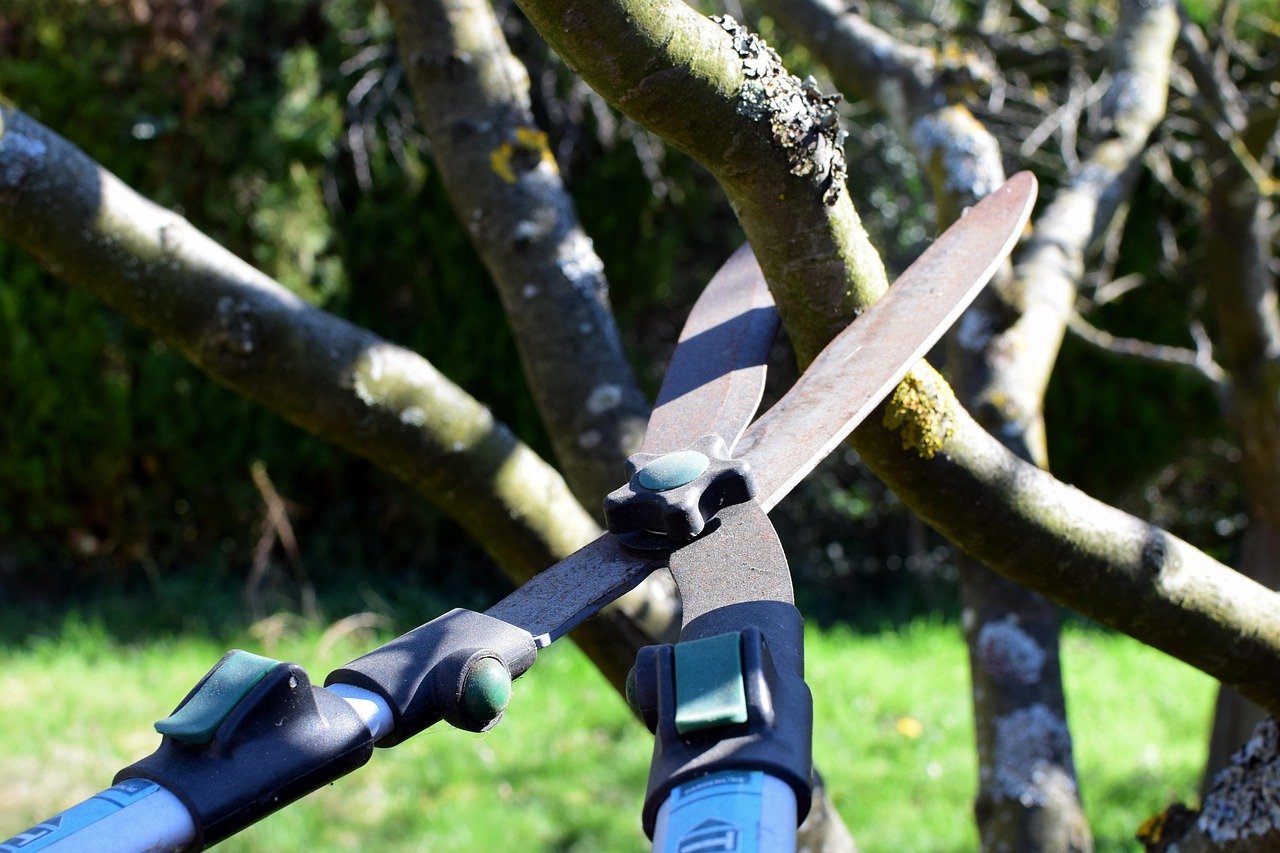
Pruning shears are handheld gardening tools designed to cut through stems and branches of plants up to a certain thickness, usually ranging from 1/4 inch to 1 inch, depending on the type and quality of the shears. The primary function of pruning shears is to make clean cuts, which helps in healing the plant quickly and reduces the risk of disease. A good pair of pruning shears should be sharp, durable, and comfortable to use. The main components of pruning shears include the blades, handles, and sometimes, a spring that opens the blades after each cut. Understanding these components and how they work is crucial for effective pruning.
| Term | Plain-English Meaning |
|---|---|
| Pruning Shears | Handheld tools used for cutting and trimming plants. |
| Bypass Pruners | A type of pruning shear with curved blades that pass by each other, used for cutting living stems. |
| Anvil Pruners | A type of pruning shear with a straight blade that cuts against a flat surface, often used for cutting dead wood. |
| Ratchet Pruners | Pruning shears that use a ratchet mechanism to make cutting easier, especially for people with less hand strength. |
| Deadheading | The process of removing spent flowers to encourage more blooming and improve the plant’s appearance. |
| Sterilization | The act of cleaning and disinfecting pruning tools to prevent the spread of diseases between plants. |
Why Pruning Shears Matter
Pruning shears are not just a tool for maintaining the aesthetic appeal of plants; they also play a crucial role in the health and productivity of gardens. For instance, pruning shears can be used to remove diseased or damaged branches, which helps in preventing the spread of diseases and pests. They are also essential for training plants to grow in a specific shape or direction, which can be particularly useful in small gardens or urban spaces where space is limited. In a study conducted in the gardens of the University of California, Los Angeles (UCLA), it was found that regular pruning using high-quality pruning shears can increase flower production by up to 30% in certain plant species. This not only enhances the beauty of the garden but also supports local pollinators. Furthermore, pruning shears can be used to harvest herbs and vegetables, making them a versatile tool for any gardener. For professional gardeners and landscapers, investing in good-quality pruning shears can make a significant difference in the efficiency and quality of their work. According to a survey of landscape professionals in the United States, over 80% consider pruning shears as one of their most essential tools, highlighting their importance in the industry.
The impact of pruning shears extends beyond the gardening community. They are also a crucial tool for arborists, who use them for pruning trees to maintain their health and prevent damage to property. In urban areas, the use of pruning shears by municipal workers helps in maintaining public gardens and green spaces, contributing to the overall quality of life for residents. For homeowners, pruning shears can be a cost-effective way to maintain their gardens, potentially saving hundreds of dollars that would be spent on professional gardening services. In regions like Japan, where gardening is not just a hobby but an integral part of the culture, pruning shears are revered for their role in the precise art of bonsai tree cultivation.
Top Pruning Shears Innovations to Know
1. Ergonomic Handles
Ergonomic handles are designed to fit comfortably in the hand, reducing fatigue and strain during extended use. These handles are often contoured to fit the natural shape of the hand and may include features such as cushioning or textured surfaces to improve grip. To use ergonomic handles effectively, gardeners should choose handles that fit their hand size and consider the material, opting for lightweight yet durable options. A common beginner mistake is selecting handles based solely on price without considering comfort and durability.
- Why It Works: Enhances user comfort, allowing for longer pruning sessions without fatigue.
- Reduces the risk of injury from dropping the shears due to a secure grip.
2. High-Carbon Steel Blades
High-carbon steel blades are known for their sharpness and durability. They can maintain their edge longer than other materials, requiring less frequent sharpening. To use high-carbon steel blades effectively, gardeners should ensure they are properly sharpened before use and cleaned after each session to prevent rust. A common mistake is not storing these blades in a dry place, which can lead to premature rusting.
- Why It Works: Provides clean cuts that heal quickly, reducing the risk of disease.
- Offers long-term durability, making them a cost-effective option over time.
3. Ratchet Mechanism
The ratchet mechanism in pruning shears is designed to make cutting easier by allowing the blades to close in stages, requiring less hand strength. This feature is particularly beneficial for gardeners with arthritis or those who need to prune for extended periods. To use a ratchet mechanism effectively, gardeners should start with lighter pressure and gradually increase as needed, ensuring not to apply too much pressure that could damage the tool or the plant. A common beginner mistake is over-relying on the ratchet feature, which can lead to uneven cuts.
- Why It Works: Enables gardeners with less hand strength to prune effectively without strain.
- Enhances control over the cutting process, allowing for more precise pruning.
4. Bypass and Anvil Blades
Bypass and anvil blades are two types of pruning shear blades. Bypass blades are used for cutting living stems and are designed so that the blades pass by each other, making a clean cut. Anvil blades, on the other hand, have a straight blade that cuts against a flat surface and are often used for cutting dead wood. To use these blades effectively, gardeners should select the right type based on the task, ensuring bypass blades for living stems and anvil blades for dead wood. A common mistake is using the wrong type of blade for the job, which can damage the plant or the tool.
- Why It Works: Bypass blades make clean cuts in living stems, promoting healthy healing.
- Anvil blades are effective for cutting through dead or hard branches with minimal effort.
5. Adjustable Blade Tension
Adjustable blade tension allows gardeners to customize the tightness of the blades according to the material being cut. This feature is beneficial for ensuring that the blades are not too loose, which could lead to poor cuts, or too tight, which could make cutting more difficult. To use adjustable blade tension effectively, gardeners should adjust the tension based on the thickness and type of stems being cut, ensuring a smooth cutting action. A common beginner mistake is failing to adjust the tension, leading to inefficient cutting.
- Why It Works: Ensures optimal cutting performance by allowing adjustment for different materials.
- Helps in maintaining the longevity of the blades by reducing unnecessary strain.
6. Sterilization Options
Sterilization options, such as the ability to easily clean and disinfect the blades, are crucial for preventing the spread of diseases between plants. To use sterilization options effectively, gardeners should clean the blades after each use, especially when moving between different plants or gardens. A common mistake is not regularly sterilizing the blades, which can spread diseases.
- Why It Works: Prevents the spread of plant diseases, keeping the garden healthy.
- Supports good gardening hygiene practices, reducing the risk of cross-contamination.
7. Storage and Maintenance
Proper storage and maintenance of pruning shears are essential for their longevity and performance. This includes cleaning the blades regularly, drying them after use, and storing them in a dry place. To use storage and maintenance effectively, gardeners should establish a routine for cleaning and checking their tools, ensuring they are in good condition before each use. A common beginner mistake is neglecting to dry the shears after cleaning, which can lead to rust.
- Why It Works: Extends the life of the pruning shears, making them a long-term investment.
- Ensures the shears remain in good working condition, providing optimal performance.
| Step | What You Do | Expected Result |
|---|---|---|
| 1. Choose Ergonomic Handles | Select handles that fit comfortably in your hand. | Reduced fatigue and improved grip. |
| 2. Use High-Carbon Steel Blades | Opt for blades made from high-carbon steel for sharpness and durability. | Clean cuts and less frequent sharpening. |
| 3. Utilize Ratchet Mechanism | Use the ratchet feature for easier cutting, especially with thicker stems. | Easier cutting with less hand strength required. |
| 4. Select Appropriate Blades | Choose bypass blades for living stems and anvil blades for dead wood. | Clean cuts that promote healthy healing and efficient cutting. |
| 5. Adjust Blade Tension | Adjust the blade tension according to the material being cut. | Optimal cutting performance and blade longevity. |
| 6. Sterilize Blades | Clean and disinfect the blades after each use. | Prevention of disease spread between plants. |
| 7. Store and Maintain | Regularly clean, dry, and store the pruning shears properly. | Extended lifespan of the pruning shears and optimal performance. |
Frequently Asked Questions
What are the different types of pruning shears?
There are several types of pruning shears, including bypass pruners, anvil pruners, and ratchet pruners. Each type is designed for specific pruning tasks, such as cutting living stems, dead wood, or for gardeners with less hand strength. Understanding the differences and choosing the right type for the job is crucial for effective pruning. For instance, bypass pruners are ideal for cutting fresh, green stems, while anvil pruners are better suited for cutting through harder, dead branches.
How often should I sharpen my pruning shears?
The frequency of sharpening pruning shears depends on their usage. For frequent gardeners, sharpening after every 10 to 15 hours of use is recommended. However, for those who garden less often, sharpening at the beginning of each gardening season may suffice. It’s also important to sharpen the blades immediately if they become dull, as dull blades can damage plants and make pruning more difficult.
What is the best way to clean and disinfect pruning shears?
Cleaning and disinfecting pruning shears is a straightforward process. Start by wiping the blades clean with a cloth to remove any debris. Then, mix a solution of 1 part bleach to 10 parts water and soak the blades for a few minutes. After soaking, rinse the blades thoroughly with clean water and dry them with a clean towel to prevent rust. This process helps prevent the spread of diseases between plants.
Can I use pruning shears for all types of plants?
While pruning shears are versatile tools, they are not suitable for all types of plants. For example, pruning shears are ideal for cutting stems up to a certain thickness but may not be effective for thicker branches or for plants with very hard stems. In such cases, other gardening tools like loppers or pruning saws may be more appropriate. Additionally, some plants may require specialized pruning techniques or tools, so it’s essential to research the specific needs of each plant before pruning.
How do I store my pruning shears properly?
Proper storage of pruning shears is essential to maintain their condition and extend their lifespan. After cleaning and drying the shears, store them in a dry place, away from direct sunlight and moisture. Consider storing them in a toolbox or on a hook where they can be easily accessed when needed. Regularly check the shears for any signs of wear or damage and address these issues promptly to ensure they remain in good working condition.
One Last Thing
Mastering the use of pruning shears is a skill that benefits both novice and experienced gardeners. By understanding the basics of pruning shears, including their types, maintenance, and proper use, gardeners can significantly enhance the health, appearance, and productivity of their gardens. With practice and the right techniques, anyone can become proficient in using pruning shears, leading to more enjoyable gardening experiences and better results. Whether you’re looking to improve the aesthetics of your garden, promote healthy plant growth, or simply enjoy the therapeutic benefits of gardening, investing time in learning about pruning shears is a worthwhile endeavor.