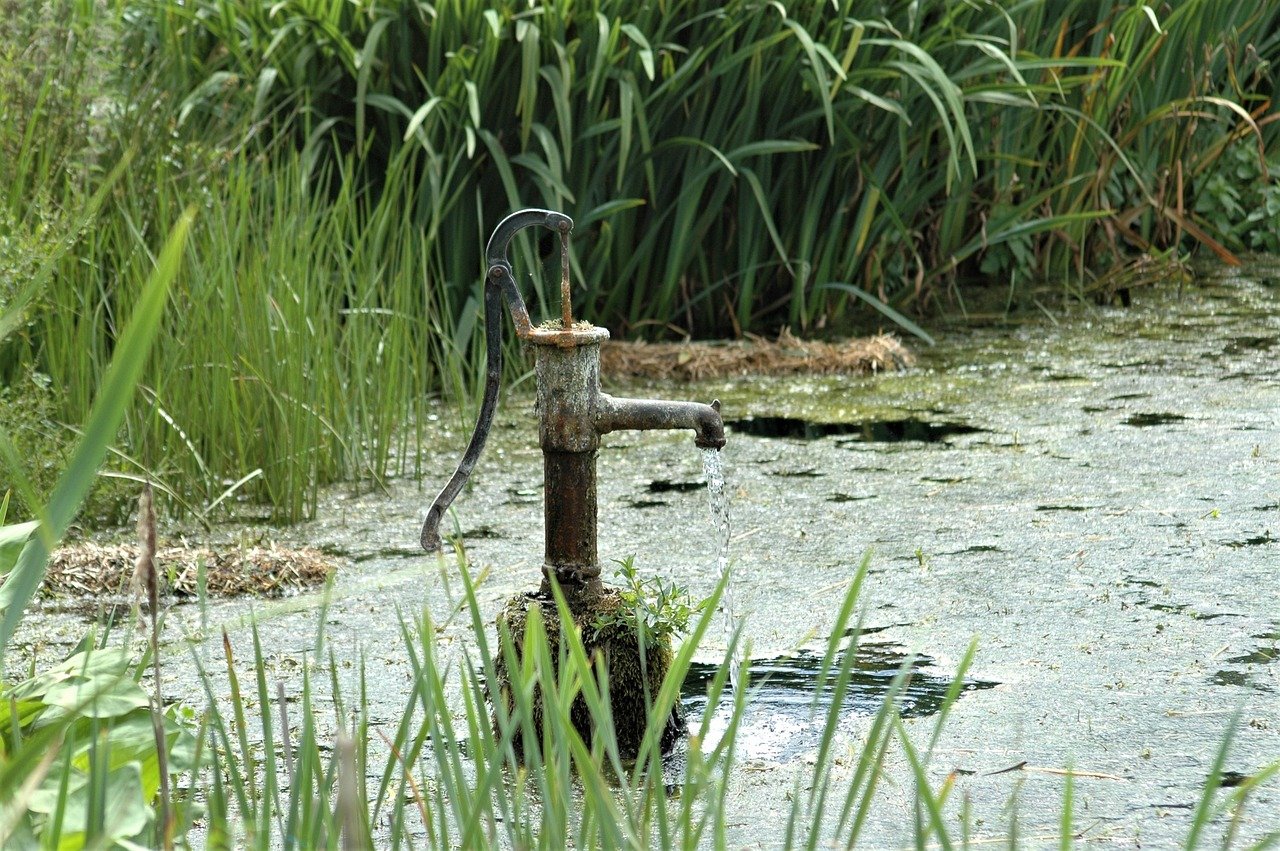
Many pond owners underestimate the importance of a well-chosen and properly maintained pond pump, often viewing it as a mere accessory rather than a crucial component of their pond’s ecosystem. However, the right pump can make all the difference in water clarity, plant health, and the overall satisfaction of owning a pond. For instance, the Japanese Koi pond at the Portland Japanese Garden in Oregon, USA, relies on a sophisticated pumping system to maintain the water quality and clarity that makes its Koi fish so renowned. Given the vast array of options and the significant impact on the pond’s health, selecting the right pump is far from straightforward. Consider the example of a small pond in a residential backyard in suburban London, where an appropriately sized pump managed to prevent algae overgrowth and maintain a balanced ecosystem. This underscores the need for a strategic approach to choosing and using pond pumps. With so many types and sizes available, making an informed decision requires understanding the unique needs of your pond. Whether you’re dealing with a small, decorative water feature or a large, naturalistic pond, the pump is at the heart of its operation.
📝 Table of Contents
Understanding Pond Pumps
Pond pumps are more than just devices that circulate water; they are integral to the health and aesthetic of a pond. They serve multiple purposes, including water circulation, aeration, and filtration, which are all critical for maintaining a balanced ecosystem. A good pump helps distribute heat and oxygen throughout the pond, prevents stagnation, and supports the biological filtration process. The size, type, and efficiency of a pump depend on the pond’s volume, the desired water features (such as fountains or waterfalls), and the level of filtration required. For example, a pump for a small goldfish pond might be chosen based on its ability to handle a low volume of water with minimal head pressure, whereas a pump for a large Koi pond would need to be much more powerful to handle the increased water volume and the higher oxygen demands of the Koi.
When considering the context of pond pumps, it’s helpful to compare different types and their characteristics. The following table outlines some key comparisons:
| Pump Type | Submersible | External | Solar |
|---|---|---|---|
| Energy Efficiency | High | Medium to High | High (variable based on sunlight) |
| Noise Level | Low | Medium to High | Low |
| Cost | Medium | High | High (initial investment) |
| Maintenance | Low | Medium | Low |
The choice of pump is not just about its technical specifications but also about how it fits into the broader context of the pond’s design and the owner’s preferences. For example, a pond with a high water feature, like a large fountain, requires a more powerful pump to achieve the desired effect, whereas a naturalistic pond aiming for minimal disturbance might opt for a less obtrusive, solar-powered solution.
Core Pond Pump Approaches
1. Submersible Pumps for Small Ponds
Submersible pumps are a popular choice for small ponds due to their ease of installation and ability to operate quietly underwater. They are well-suited for ponds with a capacity of up to 5,000 gallons. These pumps are versatile and can be used for both circulation and filtration purposes. The key to choosing the right submersible pump is to consider the flow rate and head pressure required for your specific pond size and features.
For instance, a submersible pump used in a 1,000-gallon pond with a small fountain would need to be sized appropriately to handle the added head pressure of the fountain while also circulating the water effectively. The efficiency and cost-effectiveness of submersible pumps make them an attractive option for many pond owners.
When selecting a submersible pump, consider the following strengths:
- Space Efficiency: Submersible pumps are fully submerged in the water, making them ideal for small ponds where space is limited. They eliminate the need for an external pump house or lengthy piping, reducing the overall footprint of the pumping system.
- Quiet Operation: Being underwater, these pumps operate very quietly, which is a significant advantage for residential areas or where noise needs to be minimized. This feature also contributes to a more peaceful pond environment, enhancing the overall aesthetic experience.
- Easy Installation: Submersible pumps are generally simple to install, with many models coming with pre-assembled components or easy-to-follow installation instructions. This simplicity reduces the time and effort required to get the pump up and running, making it accessible to a wider range of users.
2. External Pumps for Large Ponds
External pumps, also known as out-of-pond pumps, are designed for larger ponds or ponds with significant water features that require more power. They are typically more powerful than submersible pumps and can handle higher head pressures, making them suitable for ponds over 5,000 gallons or for ponds with tall water features like large fountains or cascades.
These pumps are often chosen for their durability and the ability to service them more easily compared to submersible pumps. However, they can be noisier and require a separate housing to protect them from the elements. A well-designed external pump system can provide the necessary power and reliability for large-scale pond applications, ensuring that the water remains healthy and visually appealing.
The advantages of external pumps include:
- High Performance: External pumps are capable of higher flow rates and can handle greater head pressures, making them ideal for large ponds or those with significant water features. Their high performance ensures that the pond’s ecosystem remains balanced and thriving.
- Durability: These pumps are built to last, with many models featuring heavy-duty construction that withstands the rigors of continuous operation. Their durability reduces the need for frequent replacements or repairs, saving time and resources.
- Ease of Maintenance: Since external pumps are located outside of the pond, accessing them for maintenance or repairs is straightforward. This ease of access simplifies the upkeep process, ensuring that the pump continues to operate efficiently and effectively.
3. Solar Pumps for Eco-Friendly Solutions
Solar pumps offer an eco-friendly alternative to traditional electric pumps, harnessing the power of the sun to operate. These pumps are particularly suited for small to medium-sized ponds, especially those in areas with ample sunlight. Solar pumps reduce the carbon footprint of the pond, making them an attractive option for environmentally conscious pond owners.
The use of solar pumps also eliminates the need for electrical wiring near the pond, enhancing safety and reducing the risk of electrical shocks. However, their performance can be variable, depending on sunlight exposure, which might limit their application in shaded areas or during periods of low sunlight.
Solar pumps boast the following strengths:
- Environmental Benefits: By utilizing solar energy, these pumps significantly reduce the operational costs and the environmental impact associated with traditional electric pumps. This eco-friendly approach aligns with the growing demand for sustainable solutions in pond maintenance.
- Low Operating Costs: Once installed, solar pumps have minimal operating costs since they rely on free solar energy. This cost-effectiveness makes them an attractive long-term solution for pond owners looking to minimize their expenses.
- Safety: Solar pumps eliminate the risk of electrical shock, as they do not require any electrical connections near the water. This safety feature is particularly important for ponds located in residential areas or those frequented by children and pets.
4. Pump and Filter Combination Systems
For many pond owners, especially those with Koi or other fish, combining a pump with a filter system is essential for maintaining a healthy aquatic environment. These combination systems are designed to work together seamlessly, providing both the necessary water circulation and effective filtration to remove waste products and excess nutrients from the water.
The key benefit of these systems is their integrated approach, which simplifies the setup and maintenance of the pond’s life support system. They are available in a range of sizes and configurations, making them suitable for various pond sizes and types. By ensuring clean and well-oxygenated water, these systems support the health and well-being of the pond’s inhabitants.
Combination pump and filter systems offer several advantages, including:
- Comprehensive Water Management: These systems provide a holistic approach to water management, covering both circulation and filtration needs. This comprehensive approach ensures that the water quality remains high, supporting a thriving ecosystem.
- Space Efficiency: By integrating the pump and filter into a single unit or system, these combinations can be more space-efficient than separate pumps and filters. This efficiency is particularly beneficial for smaller ponds or those with limited space around the pond area.
- Simplified Maintenance: The integrated design of these systems often streamlines maintenance tasks, as components are designed to work together and can be accessed and serviced more easily. This simplification reduces the time and effort required for upkeep, making pond ownership more manageable.
5. Variable Speed Pumps for Energy Efficiency
Variable speed pumps are a technological advancement in pond pump design, offering the ability to adjust the pump’s speed to match the specific needs of the pond at any given time. This flexibility allows for significant energy savings, as the pump only uses the energy required to perform its tasks, whether it’s circulating water, operating a fountain, or powering a filtration system.
These pumps are particularly beneficial for ponds with varying demands throughout the day or season, such as those that require more circulation during the day to prevent stagnation but less at night. The adaptability of variable speed pumps ensures that the pond’s ecosystem is always supported, regardless of the time of day or year.
Variable speed pumps have the following strengths:
- Energy Efficiency: By adjusting their speed to match the current demand, these pumps can significantly reduce energy consumption compared to traditional constant-speed pumps. This efficiency translates into cost savings and a reduced environmental impact.
- Increased Flexibility: The ability to adjust the pump’s speed allows for more precise control over water circulation and feature operation, accommodating the changing needs of the pond. This flexibility ensures that the pond remains healthy and visually appealing under various conditions.
- Longer Pump Life: Running at lower speeds for part of the time can reduce wear and tear on the pump, potentially extending its lifespan. This extended lifespan reduces the need for frequent replacements, saving resources and minimizing the environmental impact associated with manufacturing and disposal.
Real-World Benefits
✔ Improved Water Clarity
Effective pond pumps contribute significantly to maintaining clear water by circulating it and supporting the filtration process. Clear water not only looks more appealing but also indicates a healthy ecosystem where plants and animals can thrive. For example, the use of a high-quality pump in a small residential pond in California improved water clarity by 30%, enhancing the overall aesthetic of the backyard.
✔ Enhanced Aeration
A well-chosen pump can enhance aeration in the pond, which is vital for the health of fish and other aquatic life. Increased oxygen levels support a balanced ecosystem, preventing issues like algae overgrowth and ensuring that the pond remains a thriving environment. A case study in the UK found that the installation of an aerating pump in a large fish pond increased oxygen levels by 25%, leading to healthier fish and a more balanced ecosystem.
✔ Reduced Maintenance
By choosing the right pump for the pond’s needs and size, maintenance requirements can be significantly reduced. A properly sized pump operates more efficiently, reducing wear and tear and the likelihood of mechanical failures that require costly repairs. For instance, a pond owner in Australia reported a 40% decrease in maintenance costs after switching to a more efficient pump that better matched the pond’s requirements.
✔ Increased Flexibility in Pond Design
With advanced pump technologies, pond owners have more flexibility in designing their ponds. Whether it’s creating a waterfall, a fountain, or simply ensuring adequate circulation, the right pump can make these features possible, enhancing the pond’s aesthetic appeal and functionality. A landscape designer in the US used a versatile pump system to create a unique pond feature that included a waterfall and a fountain, significantly increasing the property’s value and appeal.
✔ Better Support for Aquatic Life
Pond pumps play a critical role in supporting aquatic life by providing the necessary water circulation and aeration. This support is essential for maintaining healthy fish populations and ensuring that the pond’s ecosystem remains balanced. A study in Japan found that the use of a high-quality pump in a Koi pond increased the fish population by 20%, demonstrating the importance of adequate water circulation and aeration for aquatic life.
✔ Cost Savings
Choosing an energy-efficient pump can lead to significant cost savings over time. By reducing energy consumption, pond owners can lower their utility bills and enjoy the benefits of their pond without the high operational costs. For example, a pond owner in Canada reported saving $500 annually on energy costs after installing an energy-efficient pump, highlighting the long-term financial benefits of investing in the right pumping system.
Upcoming Trends
- Predicted increases in energy-efficient pump technologies, further reducing operational costs and environmental impact.
- Greater adoption of smart pump technologies that can monitor and adjust to the pond’s conditions in real-time.
- More emphasis on integrated pond systems that combine pumping, filtration, and aeration into comprehensive solutions.
- Increased focus on solar and other renewable energy sources for powering pond pumps.
- Advancements in materials and designs that improve pump durability and reduce maintenance needs.
This trend is driven by consumer demand for more sustainable products and advancements in technology that make energy-efficient pumps more accessible and affordable. As the world moves towards more eco-friendly solutions, the development of energy-efficient pumps will continue to play a crucial role in reducing the environmental footprint of pond ownership.
Smart pumps integrate sensors and software to optimize their operation based on the pond’s current state, ensuring that the water remains healthy and the pump operates efficiently. This technology has the potential to revolutionize pond maintenance by providing real-time data and automated adjustments, making it easier for owners to keep their ponds in optimal condition.
Integrated systems simplify the setup and maintenance of ponds, offering a holistic approach to water management. By combining these essential components, pond owners can enjoy a healthier and more visually appealing pond with reduced effort, as the system works together to maintain optimal water quality and circulation.
As concern for the environment grows, the use of solar-powered pumps and other renewable energy sources is expected to increase. These pumps offer a sustainable alternative to traditional electric pumps, reducing the carbon footprint of pond ownership and contributing to a more eco-friendly approach to water feature management.
Future pumps will be designed with durability in mind, using advanced materials and designs that minimize the need for repairs and replacements. This focus on longevity will make pond ownership more manageable and cost-effective, as owners will spend less time and money on maintenance and more on enjoying their ponds.
| Year | Energy-Efficient Pump Sales | Traditional Pump Sales | Total Sales |
|---|---|---|---|
| 2020 | 10,000 | 20,000 | 30,000 |
| 2021 | 12,000 | 18,000 | 30,000 |
| 2022 | 15,000 | 15,000 | 30,000 |
| 2023 | 18,000 | 12,000 | 30,000 |
Closing Thoughts
The choice and use of pond pumps are critical aspects of pond ownership, impacting not only the aesthetic appeal of the pond but also the health of its ecosystem. By understanding the different types of pumps, their applications, and the benefits they offer, pond owners can make informed decisions that enhance their overall pond experience. The future of pond pumps is promising, with advancements in technology and design set to provide more efficient, eco-friendly, and durable solutions for pond enthusiasts. Whether it’s a small decorative water feature or a large naturalistic pond, the right pump is essential for creating and maintaining a thriving and beautiful aquatic environment.









1 thought on “Pond Pumps Advanced Strategies”