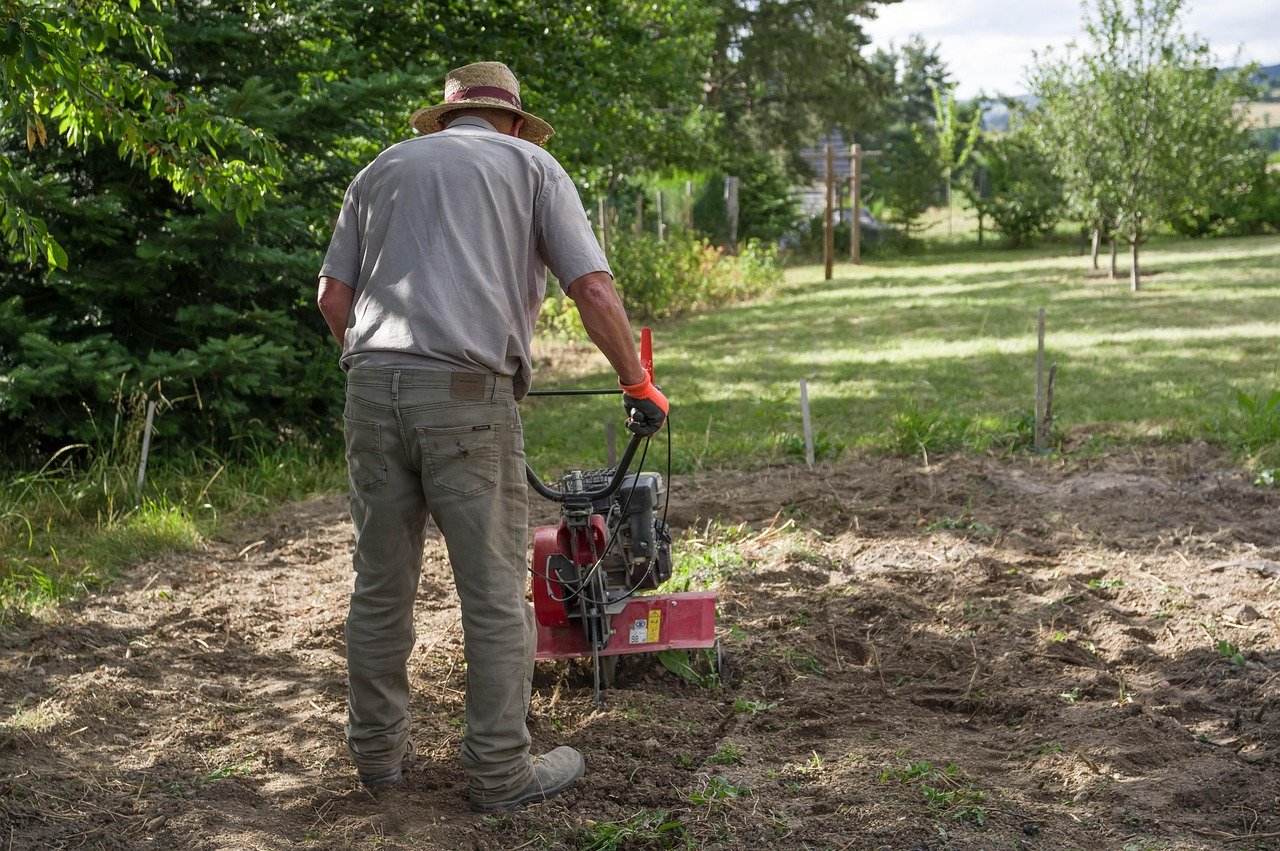
Are you struggling to achieve the perfect soil consistency in your garden? Do you find it challenging to choose the right garden tiller for your specific needs? Choosing the right approach to garden tillage matters, as it can significantly impact the health and productivity of your garden. Here’s the key thing to understand: a well-chosen garden tiller can make all the difference in preparing your soil for optimal growth. By selecting the right tiller and using it effectively, you can improve soil aeration, reduce soil compaction, and promote healthy root development. Most people miss this: the importance of considering factors like garden size, soil type, and intended use when choosing a garden tiller.
📝 Table of Contents
Defining Garden Tillers
Garden tillers are powerful tools designed to break up and aerate soil, preparing it for planting. They are available in various types, including front-tine, rear-tine, and cultivator tillers, each with its unique features and benefits. To compare garden tillers effectively, it’s essential to understand the key metrics that evaluate their performance. The following table outlines some of the critical factors to consider:
| Tiller Type | Power Source | Tilling Width | Tilling Depth |
|---|---|---|---|
| Front-tine | Gasoline | 12-18 inches | 8-10 inches |
| Rear-tine | Gasoline/Electric | 18-24 inches | 10-12 inches |
| Cultivator | Electric/Gasoline | 6-12 inches | 4-6 inches |
Understanding these metrics is crucial in selecting the right garden tiller for your specific needs. By considering factors like tiller type, power source, tilling width, and tilling depth, you can make an informed decision and choose a tiller that meets your gardening requirements.
Core Garden Tiller Approaches
Front-Tine Tiller
A front-tine tiller is a popular choice among gardeners, known for its ease of use and maneuverability. This type of tiller is ideal for small to medium-sized gardens and is available in various power sources, including gasoline and electric.
- Key Benefits:
- Easy to maneuver and control
- Ideal for small to medium-sized gardens
- Affordable and cost-effective
- What Needs Work:
- Limited tilling width and depth
- May not be suitable for heavy or rocky soils
Best for: Small to medium-sized gardens with light to moderate soil conditions.
Rear-Tine Tiller
A rear-tine tiller is a more powerful option, designed for larger gardens and heavier soils. This type of tiller is available in various power sources, including gasoline and electric, and is known for its ability to till deeper and wider than front-tine tillers.
- Key Benefits:
- More powerful and efficient than front-tine tillers
- Ideal for larger gardens and heavier soils
- Available in various power sources
- What Needs Work:
- Heavier and more difficult to maneuver
- More expensive than front-tine tillers
Best for: Larger gardens with heavy or rocky soils.
Cultivator Tiller
A cultivator tiller is a lightweight and versatile option, designed for small gardens and delicate soils. This type of tiller is available in various power sources, including electric and gasoline, and is known for its ease of use and maneuverability.
- Key Benefits:
- Lightweight and easy to maneuver
- Ideal for small gardens and delicate soils
- Affordable and cost-effective
- What Needs Work:
- Limited tilling width and depth
- May not be suitable for heavy or rocky soils
Best for: Small gardens with light to moderate soil conditions.
Electric Tiller
An electric tiller is a environmentally friendly option, designed for small to medium-sized gardens. This type of tiller is known for its ease of use, low maintenance, and affordability.
- Key Benefits:
- Environmentally friendly and low maintenance
- Ideal for small to medium-sized gardens
- Affordable and cost-effective
- What Needs Work:
- Limited tilling width and depth
- May not be suitable for heavy or rocky soils
Best for: Small to medium-sized gardens with light to moderate soil conditions.
Gasoline Tiller
A gasoline tiller is a powerful option, designed for larger gardens and heavier soils. This type of tiller is known for its ability to till deeper and wider than electric tillers, but may require more maintenance and be less environmentally friendly.
- Key Benefits:
- More powerful and efficient than electric tillers
- Ideal for larger gardens and heavier soils
- Available in various models and brands
- What Needs Work:
- Heavier and more difficult to maneuver
- More expensive and require more maintenance
Best for: Larger gardens with heavy or rocky soils.
| Option | Best For | Difficulty | Cost | Speed |
|---|---|---|---|---|
| Front-Tine Tiller | Small to medium-sized gardens | Easy | Affordable | Fast |
| Rear-Tine Tiller | Larger gardens and heavier soils | Challenging | Expensive | Slow |
| Cultivator Tiller | Small gardens and delicate soils | Easy | Affordable | Fast |
| Electric Tiller | Small to medium-sized gardens | Easy | Affordable | Fast |
| Gasoline Tiller | Larger gardens and heavier soils | Challenging | Expensive | Slow |
How to Choose the Right One
Choosing the right garden tiller can be a daunting task, especially with the numerous options available in the market. However, by considering garden size, soil type, and intended use, you can narrow down your options and select the most suitable tiller for your needs. Here’s the key thing to understand: the size of your garden will significantly impact your choice of tiller, as larger gardens require more powerful tillers.
When considering soil type, it’s essential to think about the density and composition of your soil. Heavy or rocky soils require more powerful tillers, while light or sandy soils can be managed with less powerful options. Additionally, intended use is a critical factor, as it will determine the frequency and depth of tillage required.
Another crucial factor to consider is maintenance and upkeep. Some tillers require more maintenance than others, so it’s essential to choose a tiller that fits your maintenance schedule and budget. Furthermore, ergonomics and safety should also be considered, as a comfortable and safe tiller will reduce the risk of injury and fatigue.
Lastly, budget and cost are significant factors to consider. Garden tillers can range from affordable to very expensive, so it’s crucial to set a budget and choose a tiller that meets your needs and fits within your budget. By considering these factors and weighing the pros and cons of each option, you can make an informed decision and choose the right garden tiller for your specific needs.
Real-World Benefits
Using the right garden tiller can have numerous benefits, including improved soil aeration. By breaking up compacted soil and aerating it, you can promote healthy root development and improve soil drainage. This, in turn, can lead to increased crop yields and a more productive garden.
Another benefit of using the right garden tiller is reduced soil compaction. By minimizing soil compaction, you can reduce the risk of soil erosion and improve soil structure. This can also lead to improved soil fertility, as the soil will be more receptive to fertilizers and other soil amendments.
Additionally, using the right garden tiller can save time and effort. By choosing a tiller that is easy to use and maneuver, you can reduce the time and effort required to prepare your soil for planting. This can also lead to increased efficiency, as you can focus on other aspects of gardening, such as planting and maintenance.
Furthermore, using the right garden tiller can promote healthy root development. By providing a well-aerated and structured soil environment, you can promote healthy root growth and development. This, in turn, can lead to stronger and more resilient plants, which are better equipped to withstand disease and pests.
Lastly, using the right garden tiller can enhance the overall gardening experience. By choosing a tiller that is comfortable and safe to use, you can enjoy the process of gardening and appreciate the benefits of a well-maintained garden. This can lead to a greater sense of satisfaction and fulfillment, as you can enjoy the fruits of your labor and appreciate the beauty of your garden.
Final Thoughts
Choosing the right garden tiller is a critical decision that can significantly impact the health and productivity of your garden. By considering factors like garden size, soil type, and intended use, you can select the most suitable tiller for your needs. Here’s the key thing to understand: the right garden tiller can make all the difference in preparing your soil for optimal growth, and by following the strategies outlined Here, you can make an informed decision and choose the right tiller for your specific needs.
Most people miss this: the importance of considering multiple factors when choosing a garden tiller. By weighing the pros and cons of each option and considering factors like maintenance, ergonomics, and budget, you can make a well-informed decision and choose a tiller that meets your needs and fits within your budget.
To wrap up, choosing the right garden tiller is a critical decision that requires careful consideration and planning. By following the strategies outlined Here and considering the factors outlined above, you can choose the right tiller for your specific needs and enjoy a healthy and productive garden.