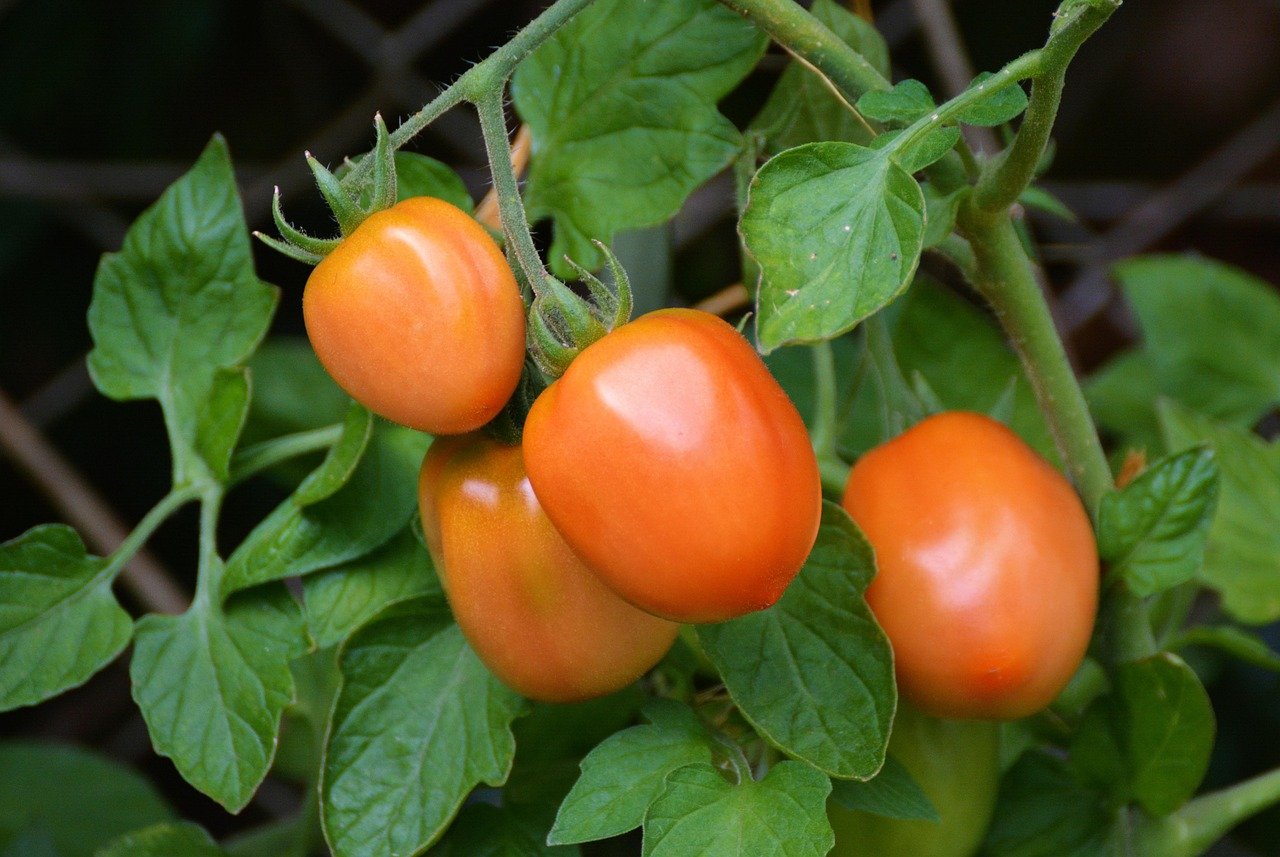
When it comes to growing tomato plants, many people assume that it’s a straightforward process that requires minimal effort and expertise. However, this couldn’t be further from the truth. In reality, growing tomato plants is a complex process that requires careful planning, attention to detail, and a deep understanding of the plants’ needs. Despite this, many gardeners and farmers continue to rely on outdated advice and techniques that can hinder the growth and productivity of their tomato plants. To set the record straight, it’s time to take a closer look at the honest truth about tomato plants. From common misconceptions to expert advice and future outlook, this article will provide a comprehensive guide to growing tomato plants. The art of cultivating tomato plants is nuanced and multifaceted. Many gardening enthusiasts attempt to grow tomatoes without fully grasping the intricacies involved. It’s not just about planting seeds and waiting for the harvest.
📝 Quick Navigation
The Basics of Tomato Plants
Tomato plants are one of the most popular garden vegetables, and for good reason. They’re relatively easy to grow, produce a high yield, and can be used in a variety of dishes. However, before diving into the world of tomato plants, it’s essential to understand the basics. Tomato plants are a type of fruit that belongs to the nightshade family, which also includes peppers, eggplants, and potatoes. They’re warm-season crops that thrive in temperatures between 65-70°F (18-21°C) and require full sun to produce a bountiful harvest.
One of the most critical aspects of growing tomato plants is choosing the right variety. With hundreds of varieties to choose from, it can be overwhelming to decide which one to plant. Some popular varieties include cherry tomatoes, beefsteak tomatoes, and Roma tomatoes. Each variety has its unique characteristics, such as flavor, texture, and growth habits. Understanding these differences is crucial to selecting the right variety for your specific needs.
| Variety | Flavor | Texture | Growth Habit |
|---|---|---|---|
| Cherry Tomatoes | Sweet and tangy | Small and round | Indeterminate |
| Beefsteak Tomatoes | Rich and meaty | Large and juicy | Determinate |
| Roma Tomatoes | Mild and sweet | Elongated and dense | Semi-determinate |
| Patio Tomatoes | Sweet and balanced | Compact and bushy | Dwarf |
Key Tomato Plant Advancements
1. Soil Preparation
Soil preparation is a critical step in growing tomato plants. The ideal soil for tomato plants is well-draining, rich in organic matter, and has a pH between 6.0-6.8. To achieve this, gardeners can add compost, manure, or other organic amendments to the soil. Additionally, soil testing can help identify any nutrient deficiencies and provide a more accurate picture of the soil’s composition.
A well-prepared soil can significantly impact the growth and productivity of tomato plants. It can improve drainage, aeration, and water retention, reducing the risk of waterlogged soil and root rot. Furthermore, a balanced soil ecosystem can support a diverse range of beneficial microorganisms, which can help to suppress plant diseases and pests.
- Plus Points:
- Improved drainage and aeration
- Increased water retention and reduced evaporation
- Supports a diverse range of beneficial microorganisms
2. Irrigation Management
Irrigation management is another crucial aspect of growing tomato plants. Tomato plants require consistent moisture, especially when they’re producing fruit. However, overwatering can be detrimental to the plants, leading to root rot, fungal diseases, and other problems. To avoid this, gardeners can use irrigation systems that deliver water directly to the roots, reducing evaporation and runoff.
Some common irrigation techniques include drip irrigation, soaker hoses, and mulching. These methods can help to conserve water, reduce soil erosion, and promote healthy root growth. Additionally, monitoring soil moisture levels can help gardeners to adjust their irrigation schedules and avoid overwatering.
- Plus Points:
- Conserves water and reduces evaporation
- Promotes healthy root growth and development
- Reduces soil erosion and nutrient leaching
3. Pruning and Training
Pruning and training are essential techniques for promoting healthy growth and maximizing yields in tomato plants. Pruning involves removing select branches and leaves to improve air circulation, reduce disease susceptibility, and encourage fruiting. Training, on the other hand, involves providing support for the plants as they grow, using trellises, stakes, or cages.
Pruning and training can help to control the shape and size of the plants, improving their overall structure and productivity. By removing weak or spindly growth, gardeners can direct the plants’ energy towards producing fruit, rather than vegetative growth. Additionally, pruning can help to reduce the risk of disease and pests, by removing infected or damaged tissue.
- Plus Points:
- Improves air circulation and reduces disease susceptibility
- Encourages fruiting and maximizes yields
- Provides support for the plants as they grow
4. Pest and Disease Management
Pest and disease management are critical components of growing tomato plants. Tomato plants are susceptible to a wide range of pests and diseases, including aphids, whiteflies, hornworms, and fungal infections. To manage these threats, gardeners can use a combination of techniques, including crop rotation, biological control, and integrated pest management (IPM) strategies.
IPM involves using a holistic approach to manage pests and diseases, combining physical, cultural, and chemical controls. This can include techniques such as introducing beneficial insects, using physical barriers, and applying targeted pesticides. By adopting an IPM approach, gardeners can reduce their reliance on chemical pesticides, minimize environmental impacts, and promote a balanced ecosystem.
- Plus Points:
- Reduces reliance on chemical pesticides
- Minimizes environmental impacts and promotes a balanced ecosystem
- Encourages beneficial insects and pollinators
5. Climate Resilience
Climate resilience is a critical aspect of growing tomato plants, as they are highly sensitive to temperature fluctuations, drought, and extreme weather events. To build resilience, gardeners can use a range of techniques, including mulching, shading, and irrigation management.
Mulching can help to regulate soil temperature, reduce evaporation, and suppress weeds. Shading can provide protection from intense sunlight, reducing stress and promoting healthy growth. Irrigation management can help to conserve water, reduce soil erosion, and promote deep root growth. By adopting these techniques, gardeners can improve the resilience of their tomato plants, reducing the risk of crop failure and promoting a more sustainable food system.
- Plus Points:
- Regulates soil temperature and reduces evaporation
- Provides protection from intense sunlight and promotes healthy growth
- Conserves water and reduces soil erosion
Why People Are Paying Attention
✔ Improved Yields
One of the primary reasons people are paying attention to tomato plants is the potential for improved yields. By adopting advanced techniques and technologies, gardeners can increase the productivity of their tomato plants, resulting in a higher yield and better returns on investment. This is particularly important for commercial growers, who rely on high yields to remain competitive in the market.
✔ Enhanced Flavor and Nutrition
Another reason people are paying attention to tomato plants is the potential for enhanced flavor and nutrition. Tomato plants are a rich source of vitamins, minerals, and antioxidants, making them a popular choice for health-conscious consumers. By adopting advanced techniques and varieties, gardeners can improve the flavor and nutritional content of their tomato plants, resulting in a more desirable product.
✔ Increased Sustainability
Tomato plants are also attracting attention due to their potential for increased sustainability. By adopting environmentally friendly practices, such as organic farming and permaculture, gardeners can reduce their environmental impact, promote biodiversity, and contribute to a more sustainable food system.
✔ Better Disease Resistance
Tomato plants are also being developed with better disease resistance, which is a major concern for gardeners and farmers. By breeding tomato plants with inherent resistance to diseases, gardeners can reduce their reliance on chemical pesticides, minimize environmental impacts, and promote a healthier and more resilient crop.
✔ Improved Climate Resilience
Finally, tomato plants are being developed with improved climate resilience, which is critical for ensuring food security in the face of climate change. By adopting advanced techniques and technologies, gardeners can improve the resilience of their tomato plants, reducing the risk of crop failure and promoting a more sustainable food system.
✔ Enhanced Aesthetic Appeal
Tomato plants are also being bred for their aesthetic appeal, with a range of colors, shapes, and sizes available. This is particularly important for gardeners who value the visual appeal of their garden, as well as the flavor and nutritional content of their crops.
The Road Ahead
- Predicted increases in global demand for tomato plants, driven by population growth and changing consumer preferences.
- Advances in breeding and genetics, enabling the development of new and improved tomato varieties.
- Increased adoption of sustainable and regenerative practices, such as permaculture and agroforestry.
- Growing interest in urban and vertical farming, enabling the production of tomato plants in non-traditional environments.
- Increased focus on food safety and security, driving innovation and investment in areas such as post-harvest handling and supply chain management.
This is likely to drive innovation and investment in the tomato industry, as growers and breeders seek to meet the increasing demand for high-quality tomato plants. As a result, we can expect to see significant advancements in areas such as breeding, irrigation, and pest management.
This is likely to result in tomato plants with improved disease resistance, climate resilience, and nutritional content. Additionally, breeding programs may focus on developing tomato plants with unique flavors, textures, and colors, catering to the diverse preferences of consumers.
This is likely to promote a more environmentally friendly and socially responsible tomato industry, with a focus on soil health, biodiversity, and ecosystem services. As a result, we can expect to see a reduction in the environmental impact of tomato production, as well as improved outcomes for farmers, workers, and local communities.
This is likely to result in increased food security and accessibility, particularly in urban areas. By leveraging advanced technologies such as hydroponics and LED lighting, growers can produce high-quality tomato plants in a controlled environment, reducing the need for arable land and minimizing environmental impacts.
This is likely to result in improved outcomes for consumers, with a reduced risk of foodborne illness and increased access to high-quality tomato plants. As a result, we can expect to see significant advancements in areas such as packaging, storage, and transportation, as well as improved collaboration and communication throughout the supply chain.
| Country | Production (Metric Tons) | Export Value (USD) | Import Value (USD) |
|---|---|---|---|
| China | 34,000,000 | 1,400,000,000 | 500,000,000 |
| United States | 12,000,000 | 1,000,000,000 | 800,000,000 |
| India | 20,000,000 | 500,000,000 | 200,000,000 |
| Brazil | 5,000,000 | 200,000,000 | 100,000,000 |
One Last Thing
Tomato plants are a complex and multifaceted crop, requiring careful planning, attention to detail, and a deep understanding of their needs. By adopting advanced techniques and technologies, gardeners can improve the growth, productivity, and sustainability of their tomato plants, resulting in a more desirable and resilient crop. As the global demand for tomato plants continues to grow, it’s essential to prioritize innovation, sustainability, and social responsibility, ensuring a bright future for this beloved crop.
Ultimately, the success of tomato plants depends on a combination of factors, including breeding, irrigation, pest management, and climate resilience. By addressing these challenges and opportunities, gardeners and farmers can find the full potential of tomato plants, promoting a more sustainable and food-secure future for all.
As we look to the future, it’s clear that tomato plants will play an increasingly important role in global food systems, providing a source of nutrition, income, and employment for millions of people around the world.