Imagine turning a bare patch of earth into a thriving oasis of color, scent, and fresh produce—all without prior experience. Recent surveys show that 68% of new gardeners quit within the first season because they felt overwhelmed by the sheer amount of information. This guide cuts through the noise, offering clear, bite‑size steps that anyone can follow, no matter the size of the yard or the amount of free time. By the end of this article, readers will feel confident enough to plan, plant, and nurture a garden that rewards both the senses and the palate. Whether the goal is a vegetable bounty, a pollinator haven, or simply a prettier backyard, the principles below apply across the board.
📝 In This Post
What Does Garden Planting Mean?
Garden planting refers to the process of selecting, preparing, and placing living plants—such as vegetables, herbs, flowers, or shrubs—into a designated outdoor space to grow and thrive. In this context, “planting” encompasses everything from testing soil pH (a measure of how acidic or alkaline the soil is) to arranging plants in a way that maximizes sunlight exposure. The practice combines horticultural science (the study of garden cultivation) with practical design, ensuring that each plant receives the water, nutrients, and space it needs.
Understanding garden planting helps beginners avoid common pitfalls like over‑watering, planting too densely, or choosing species unsuited to local climate conditions. By treating the garden as a living system—much like a small ecosystem—each decision influences the health of the whole plot. The following comparison table highlights key differences between common garden types, making it easier to choose the right approach.
| Garden Type | Typical Plants | Sunlight Needs | Soil Prep |
|---|---|---|---|
| Vegetable Garden | Tomatoes, carrots, lettuce | Full sun (6‑8 hrs) | High organic matter, loose texture |
| Herb Garden | Basil, rosemary, mint | Partial to full sun | Well‑draining, slightly alkaline |
| Flower Bed | Marigolds, roses, lavender | Varies by species | Balanced nutrients, good structure |
| Native Plant Garden | Coneflowers, milkweed, ferns | Adapted to local light | Mimic natural soil, minimal amendment |
Garden Planting Methods Worth Knowing
1. Soil Testing and Amendment
Before any seed touches the ground, knowing the soil’s condition is crucial. Soil testing measures pH, nutrient levels, and texture, providing a baseline for improvement.
Start by purchasing a home‑test kit or sending a sample to a local extension office. Based on results, add amendments such as compost (decomposed organic matter that improves fertility), lime (raises pH), or sulfur (lowers pH). Mixing these uniformly ensures consistent conditions across the planting area.
- What You Gain:
- Accurate insight into nutrient deficiencies, preventing costly guesswork.
- Optimized pH for the chosen plant species, boosting absorption of essential minerals.
- Improved soil structure that enhances water retention and root penetration.
2. Raised Bed Construction
Raised beds are garden containers built above ground level, typically framed with wood, stone, or recycled materials.
They allow precise control over soil composition, reduce compaction, and improve drainage—especially valuable in regions with heavy clay soils. Construct the frame to a depth of 12‑18 inches, fill with a blend of topsoil, compost, and coarse sand, then level the surface before planting.
- What You Gain:
- Cleaner, weed‑free environment, lowering maintenance time.
- Warmer soil in spring, extending the growing season for many crops.
- Better accessibility for gardeners with limited mobility.
3. Companion Planting
Companion planting pairs compatible species together to enhance growth, deter pests, or improve flavor.
For example, planting basil alongside tomatoes can repel tomato‑hornworm while adding aromatic benefits. Chart out a layout that groups mutually beneficial plants while keeping antagonistic ones apart (e.g., avoid planting onions near beans).
- What You Gain:
- Natural pest reduction, decreasing reliance on chemical sprays.
- Improved nutrient usage through complementary root depths.
- Enhanced crop yields and flavor profiles.
4. Mulching Techniques
Mulch is a layer of material—such as straw, wood chips, or shredded leaves—spread over the soil surface.
It conserves moisture by reducing evaporation, suppresses weeds, and gradually breaks down to add organic matter. Apply a 2‑3 inch layer after planting, keeping mulch a few inches away from stem bases to avoid rot.
- What You Gain:
- Consistent soil moisture, lowering irrigation frequency.
- Fewer weeds, saving time on weeding.
- Improved soil fertility as mulch decomposes.
5. Seasonal Crop Rotation
Crop rotation involves changing the location of plant families each season to prevent soil‑borne diseases and nutrient depletion.
Divide the garden into four sections and rotate legumes (which fix nitrogen) to a new plot each year, followed by heavy feeders like tomatoes, then lighter feeders such as lettuce, and finally a rest or cover‑crop phase. This systematic shift maintains soil health over the long term.
- What You Gain:
- Reduced disease buildup, leading to healthier plants.
- Balanced nutrient usage, minimizing the need for synthetic fertilizers.
- Long‑term sustainability of the garden ecosystem.
The Impact on Consumers
✔ Fresh, Nutritious Produce
Home‑grown vegetables retain more vitamins and minerals than store‑bought counterparts because they are harvested at peak ripeness.
✔ Cost Savings
Growing one’s own food reduces grocery bills, especially for high‑value crops like herbs and tomatoes.
✔ Physical Activity
Regular gardening tasks—digging, weeding, watering—provide moderate exercise, supporting cardiovascular health.
✔ Mental Well‑Being
Interaction with soil releases serotonin‑boosting compounds, lowering stress and improving mood.
✔ Environmental Benefits
Gardens sequester carbon, support pollinators, and reduce food‑transport emissions.
✔ Community Connection
Sharing surplus produce or gardening tips fosters neighborhood bonds and knowledge exchange.
The Road Ahead
- Increased Adoption of Smart Irrigation
Sensors that measure soil moisture will automate watering, conserving water and ensuring optimal plant hydration.
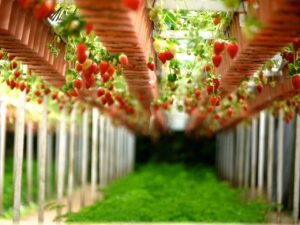
- Growth of Urban Vertical Farming
Stacked growing systems will allow city dwellers to produce food on balconies and rooftops, maximizing limited space.
- Expansion of Climate‑Resilient Varieties
Plant breeders will develop seeds tolerant to heat, drought, and disease, making gardening viable in more regions.
- Integration of AI‑Powered Planning Tools
Artificial intelligence will suggest planting schedules, companion pairings, and pest alerts based on local data.
- Rise of Community Garden Networks
Neighborhoods will collaborate on shared plots, pooling resources and knowledge for larger‑scale harvests.
Additional Data Table: Planting Calendar for Temperate Zones
| Month | Cool‑Season Crops | Warm‑Season Crops | Key Tasks |
|---|---|---|---|
| March | Peas, spinach | None | Soil preparation, seed indoor starts |
| May | Lettuce, radish | Tomatoes, peppers | Transplant seedlings, mulch beds |
| July | Broccoli (fall), kale | Cucumbers, squash | Water deeply, monitor pests |
| October | Garlic, onions | None | Prepare soil for winter, add compost |
Final Thoughts
By mastering the fundamentals of soil health, planting design, and seasonal care, anyone can transform a modest plot into a productive garden.
Consistent application of the five proven methods ensures robust growth, reduced effort, and lasting satisfaction.
Looking ahead, technology and community collaboration will make gardening even more accessible and rewarding for future generations.