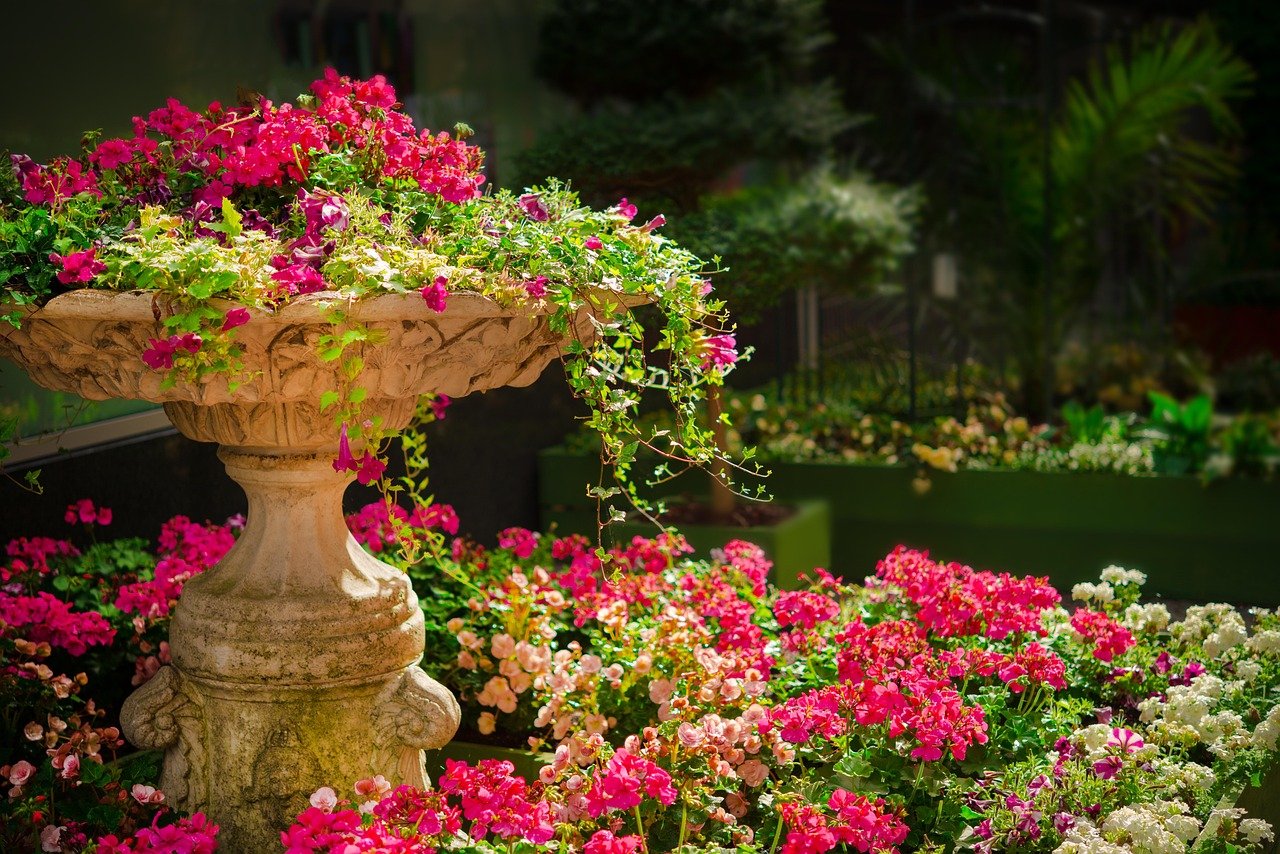
Ever wondered why the neighbor’s balcony garden looks so lush while the own attempts struggle to survive? Imagine stepping onto a balcony in downtown Austin and seeing a cascade of herbs, strawberries, and ornamental grasses thriving in sleek, self-watering planters. For a beginner who just uncovered the world of garden planters, the possibilities feel both exciting and overwhelming. This guide unpacks the 2026 updates, walks through the essentials, and equips anyone to start a thriving container garden today.
📝 In This Post
What Is Garden Planters?
Garden planters are containers—made of plastic, ceramic, metal, wood, or composite—that hold soil, plants, and water, allowing cultivation in spaces without traditional garden beds. They range from small window boxes to large raised beds and often incorporate modern features like built‑in irrigation or smart sensors.
| Term | Plain-English Meaning |
|---|---|
| Self‑watering | A planter that stores water in a reservoir and releases it gradually to the soil. |
| Drainage holes | Openings at the bottom that let excess water escape, preventing root rot. |
| Smart sensor | A tiny device that measures moisture, temperature, or light and sends data to a phone app. |
| Composite wood | A blend of wood fibers and recycled plastic that resists rot and insects. |
| Terracotta | A porous clay material that allows soil breathability but needs frequent watering. |
Why Garden Planters (2026 Update) Matters
Urban dwellers in cities like Seattle, Miami, and Detroit are turning rooftops, balconies, and even kitchen windows into green oases. A 2025 survey by the National Gardening Association reported that 42% of households in metropolitan areas use at least one planter, up from 28% in 2019. The rise reflects a desire for fresh produce, mental‑health benefits, and aesthetic appeal.
Homeowners benefit financially too. The average family that grows herbs and lettuce in planters saves roughly $150 per year on grocery bills, according to a study by GreenThumb Analytics. Moreover, planters reduce storm‑water runoff; a 2024 city pilot in Portland showed that 1,200 square feet of container garden cut runoff by 30% during rain events.
Environmentally, modern planters made from recycled plastics or composite wood keep waste out of landfills. In 2026, manufacturers introduced a closed‑loop program where old plastic planters are melted and remolded into new products, achieving a 70% material reuse rate. This shift not only lowers carbon footprints but also offers consumers a sustainable choice.
Latest Garden Planters Technologies
-
1. Smart Moisture Sensors
These tiny Bluetooth devices sit in the soil and relay real‑time moisture levels to a smartphone app. To install, simply push the sensor into the planting mix, pair it with the app, and set a watering threshold. Beginners often forget to calibrate the sensor after adding new soil, leading to inaccurate readings.
- What You Gain:
- Precise watering, reducing over‑watering by up to 40%.
- Alerts that prevent drought stress during heat waves.
-
2. Integrated Reservoir Systems
Modern planters feature a lower chamber that holds water, releasing it through wicking material. Fill the reservoir, and the planter maintains moisture for 7‑10 days depending on plant size. A common mistake is placing the reservoir too high, which defeats the capillary action.
- What You Gain:
- Less daily watering, perfect for busy schedules.
- Consistent soil moisture, promoting healthier root growth.
-
3. Solar‑Powered LED Grow Lights
These clip‑on lights charge during daylight and emit a balanced spectrum at night. Mount the light on the planter’s side, adjust the timer, and let the solar panel do the work. Beginners often set the timer too long, causing light burn.
- What You Gain:
- Extended growing season for herbs in northern latitudes.
- Energy‑free illumination, saving electricity costs.
-
4. Modular Stackable Designs
Stackable planters let users build vertical gardens up to 6 feet tall. Connect units by aligning the interlocking grooves, then secure with the supplied clips. The most frequent error is overloading the top tier with heavy soil, which can cause collapse.
- What You Gain:
- Maximized growing area on small balconies.
- Eye‑catching layered aesthetics.
-
5. Biodegradable Fabric Liners
These liners replace plastic pots, allowing roots to breathe while decomposing after a season. Place the liner inside any planter, fill with soil, and plant as usual. A beginner mistake is using a liner that is too thin, which tears under weight.
- What You Gain:
- Reduced plastic waste.
- Improved soil aeration for delicate seedlings.
-
6. Integrated Pest‑Repellent Mesh
Fine mesh woven into the planter walls blocks insects like aphids while still allowing airflow. Install by snapping the mesh into the pre‑molded slots before adding soil. Forgetting to seal the edges lets pests slip through.
- What You Gain:
- Fewer chemical sprays needed.
- Healthier plants with less stress.
-
7. AI‑Driven Growth Recommendations
The companion app analyzes sensor data and suggests optimal fertilization, pruning, and plant rotation. After syncing, the app displays a weekly to‑do list. Users sometimes ignore the recommendations, missing out on yield boosts.
- What You Gain:
- Data‑backed decisions that increase harvest by up to 25%.
- Personalized care plans for each planter.
Quick Reference Table
| Step | What You Do | Expected Result |
|---|---|---|
| 1 | Install smart moisture sensor | Accurate moisture monitoring |
| 2 | Fill integrated reservoir | Steady water supply for days |
| 3 | Attach solar LED grow light | Extended photosynthesis period |
| 4 | Assemble modular stack | Vertical growing space maximized |
| 5 | Place biodegradable liner | Eco‑friendly root environment |
| 6 | Fit pest‑repellent mesh | Reduced insect damage |
| 7 | Follow AI growth tips | Higher yields and healthier plants |
Frequently Asked Questions
How big should a planter be for a tomato plant?
A tomato needs at least 12‑inch diameter and 12‑inch depth. Larger varieties thrive in 18‑inch containers, providing enough root room for fruit production.
Can I use regular garden soil in planters?
Regular garden soil is often too dense and may contain pests. A mix of peat moss, perlite, and compost creates a light, well‑draining medium ideal for containers.
Do self‑watering planters eliminate the need for watering?
They reduce frequency but still require monitoring. During extreme heat, the reservoir may empty faster and need refilling.
What plants are best for balcony planters?
Compact herbs (basil, mint), dwarf varieties of carrots, cherry tomatoes, and ornamental grasses like fountain grass perform well in limited space.
Is it safe to place planters on a wooden balcony?
Yes, as long as the planters have drainage and a waterproof tray to prevent water damage to the wood.
To Sum Up
The 2026 garden planter update brings smart tech, sustainability, and design flexibility to every balcony, patio, or windowsill. By choosing the right planter and applying the step‑by‑step guide, anyone can enjoy fresh produce and vibrant greenery year‑round. The tools are ready; the garden awaits.